
Economy March 31, 2026

Iranian FM Says He Has Received Direct Messages from U.S. Envoy but Rules Out Talks

Abbas Araqchi characterizes communications as relayed warnings and reiterates Tehran's readiness for ground confrontation; rebuilding regional trust will be difficult, he adds

By Leila Farooq
Iranian FM Says He Has Received Direct Messages from U.S. Envoy but Rules Out Talks

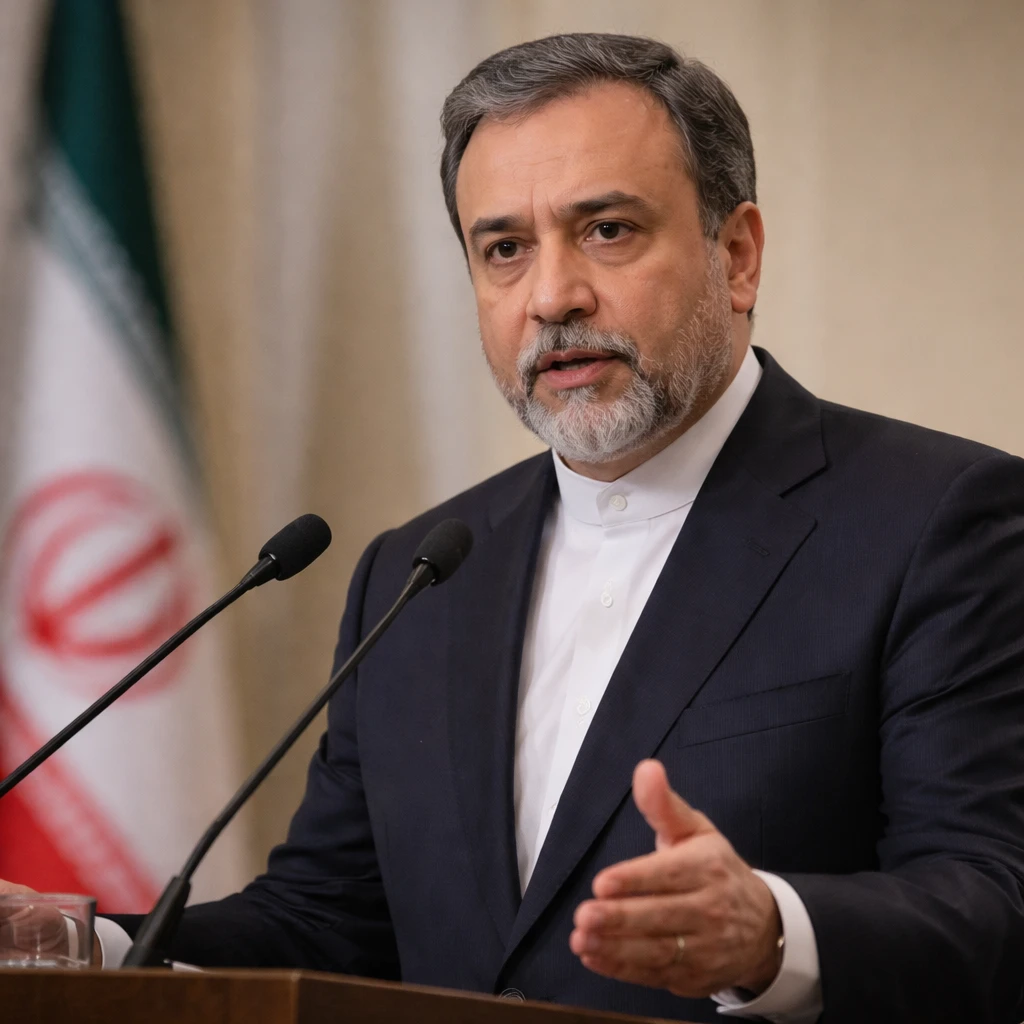
Iranian Foreign Minister Abbas Araqchi said on Tuesday that he has received direct messages from U.S. special envoy Steve Witkoff, but emphasized these contacts do not amount to negotiations. According to Qatar's Al Jazeera TV, Araqchi described those communications as comprising threats or exchanged views passed via intermediaries he labeled "friends." He also said Tehran is prepared for any ground confrontation and acknowledged future challenges in restoring trust with neighboring states, while expressing confidence that Iran will ultimately succeed in rebuilding those ties.

Key Points

  • Abbas Araqchi said on Tuesday he received direct messages from U.S. special envoy Steve Witkoff but stated these contacts do not amount to negotiations.
  • Araqchi characterized the content of those communications as threats or exchanged views, conveyed via intermediaries he described as "friends."
  • He asserted Tehran's readiness for any ground confrontation and acknowledged that rebuilding trust with neighboring countries will be difficult, though he expressed confidence Iran will succeed.

Iran's foreign minister, Abbas Araqchi, told reporters on Tuesday that he has been on the receiving end of direct messages from U.S. special envoy Steve Witkoff, but he was at pains to stress that such exchanges should not be interpreted as negotiations. The statements were reported by Qatar's Al Jazeera TV.

Araqchi said the communications he received included content he characterized as either threats or exchanged viewpoints. He said those messages were not delivered in person but passed through intermediaries he referred to as "friends." Araqchi made clear that while the envoy's messages reached him directly, they did not represent formal talks between Tehran and Washington.

In the same remarks, Araqchi told the broadcaster that Iran stands ready for any ground confrontation. He did not elaborate further on operational details or specify scenarios, instead affirming Tehran's preparedness in general terms as presented in the report.

Turning to Tehran's relations with neighboring countries, Araqchi acknowledged that restoring trust in the region will pose difficulties going forward. Despite that caveat, he expressed confidence that Iran will be able to succeed in rebuilding those relationships over time.

The account of Araqchi's comments as cited by Al Jazeera conveys three central points: that direct messages arrived from a U.S. special envoy; that Araqchi views those communications as distinct from negotiations; and that Iran signals readiness for potential ground confrontation while recognizing future diplomatic challenges with neighbors but remaining optimistic about eventual reconciliation.

Public remarks of this nature, as reported, offer a snapshot of current diplomatic signaling without indicating any formal negotiation process. Araqchi's characterization of intermediated messages and his emphasis on preparedness and confidence in long-term regional engagement were the primary elements relayed in the report.


Summary of reported statements:

  • Direct messages received from U.S. special envoy Steve Witkoff, per Araqchi's account.
  • Araqchi described those messages as threats or exchanged views delivered through intermediaries he called "friends."
  • He said Tehran is ready for any ground confrontation and acknowledged challenges ahead in rebuilding trust with neighboring countries, while expressing confidence in eventual success.

Risks

  • Statements indicate potential for increased regional tensions due to references to readiness for ground confrontation - this creates uncertainty for diplomatic stability.
  • The relaying of messages through intermediaries and their characterization as threats may complicate transparent communication channels, impeding confidence-building efforts.
  • Acknowledged difficulty in rebuilding trust with neighboring states points to a prolonged period of uncertain regional relations, which could affect cross-border cooperation.

More from Economy

Federal Judge Puts Trump’s $400 Million White House Ballroom Plan on Hold Mar 31, 2026 Colombian government pulls its representative off central bank board amid dispute over rate rise Mar 31, 2026 Monzo to Exit U.S., Concentrate on UK and European Expansion Mar 31, 2026 Kansas City Fed's Schmid Warns Energy-Driven Inflation Could Hold Near 3% Mar 31, 2026 Kansas City Fed’s Schmid Cautions Against Complacency on Oil-Driven Inflation Risks Mar 31, 2026