
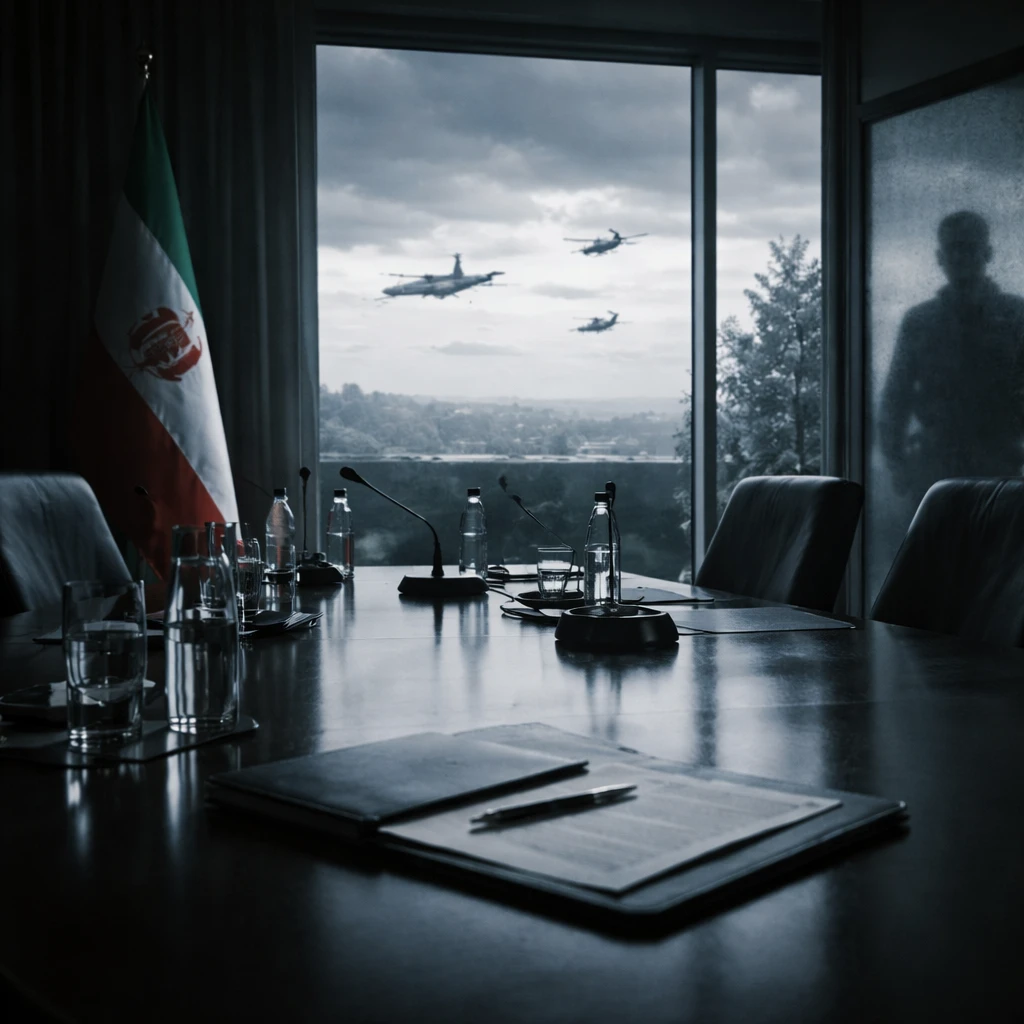
Iranian leaders are expressing growing concern that efforts to negotiate a ceasefire could create security vulnerabilities for the country's senior political figures, according to officials and regional interlocutors familiar with the conversations. Those in Tehran worry that in-person talks could be used as cover for a targeted attack on high-level officials.
One prominent figure specifically identified by Iranian authorities is parliament speaker Mohammad-Bagher Ghalibaf. Ghalibaf is noted as one of the few senior officials who has so far not been struck in the ongoing campaign of attacks attributed to Israel, and Tehran fears that a meeting could present an opportunity for an assassination attempt on him.
At the same time, Iranian officials are skeptical about a U.S. decision to hold off on strikes against Iranian energy facilities following what U.S. leadership described as "productive" talks. Iranian commentary on the pause interprets it as a potential move designed to lower oil prices in the near term before any further military action resumes, rather than a durable de-escalation.
Observers report that indirect communications between the United States and Iran continue, but those channels are described as tentative and limited. There is no indication of an imminent agreement, and hostilities have continued in parallel with a buildup of U.S. military assets in the region.
Adam Crisafulli, an analyst at Vital Knowledge, noted that while a previously stated five-day deadline for Iran could shift, the U.S. president appears inclined toward reducing tensions. He wrote, "[W]ith the economy sitting on the brink of a precipice (arguably) more severe than COVID or tariffs, coupled with Trump’s instinct for self-preservation, means a cessation in hostilities is more likely than not."
However, Crisafulli also cautioned that achieving a cessation in fighting will be difficult. He said bringing hostilities to a close "will be easier said than done, and the Pentagon doesn’t have full control over how and when the war will end," pointing to differing risk tolerances between the United States and Israel and to the prospect that Tehran would resist any terms that amount to capitulation.
In a parallel development, Iran has appointed Mohammad Bagher Zolghadr as secretary of its Supreme National Security Council. Zolghadr replaces Ali Larijani, who was killed in Israeli strikes last week.
The evolving mix of tentative diplomacy, continued combat, military deployments, and leadership changes in Tehran leaves significant uncertainty for energy markets and regional security dynamics. Observers and officials characterize current communications as preliminary and the potential for renewed hostilities as unresolved.