
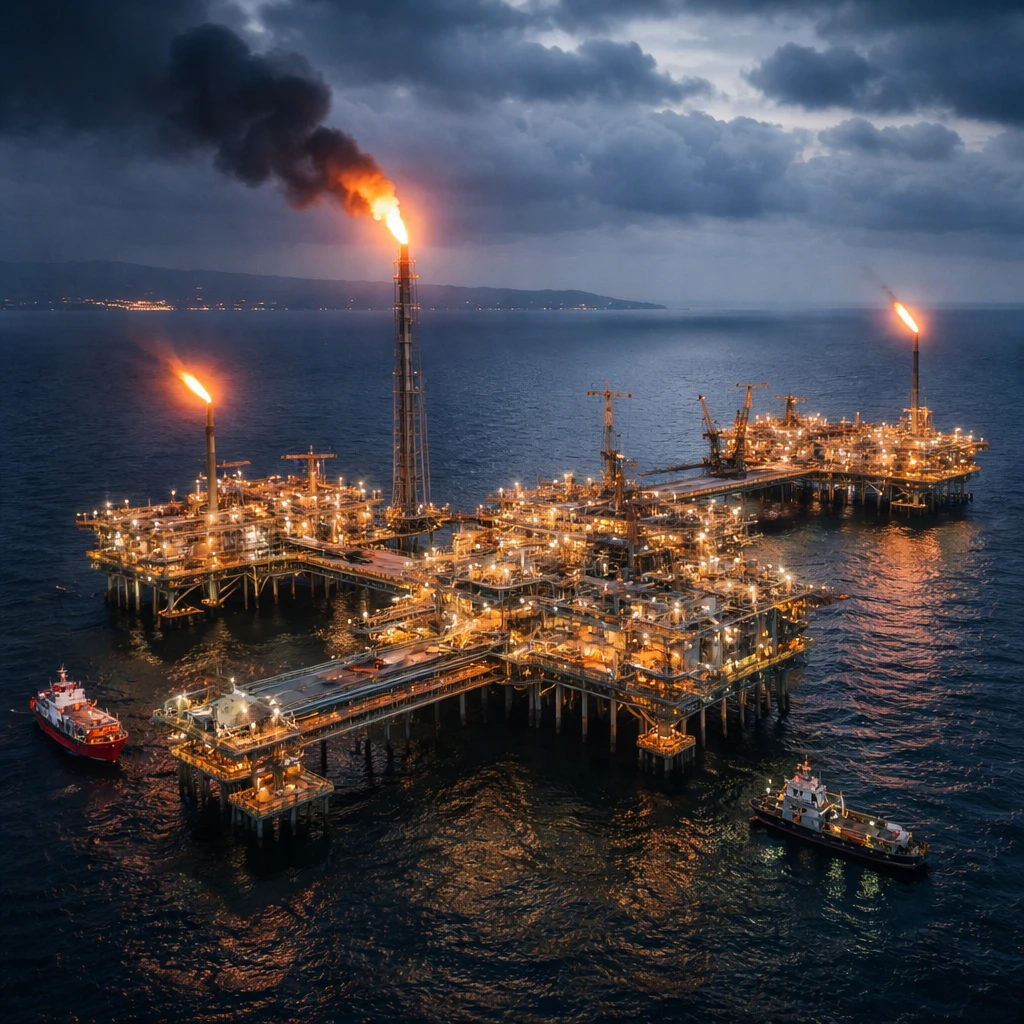
Iran has stopped sending pipeline natural gas to Turkey in the wake of an Israeli attack on the South Pars gas field on March 18, according to people familiar with the situation. Those individuals, who spoke on condition of anonymity, said Ankara remains supplied by its principal suppliers, Russia and Azerbaijan, and that it has gas stockpiles available for use.
Data from the Turkish Natural Gas Distributors Association shows that roughly 14% of Turkey's natural gas consumption last year was sourced from Iran. The recent suspension does not appear to have immediately affected Ankara's overall inflows because the country continues to import from its major vendors and holds reserves, the anonymous sources said. The exact duration of Iran's halt in exports was not disclosed and remains unclear.
The Turkish Energy Ministry declined to comment on the reported pause in deliveries. The absence of an official statement leaves open questions about coordination between Ankara and Tehran and how Turkish utilities might sequence withdrawals from stockpiles or adjust receipts from other suppliers.
The disruption follows an Israeli strike on South Pars, the world\'s largest gas field, last Tuesday. In response to that strike, Tehran carried out attacks on energy infrastructure belonging to Arab states in the Persian Gulf. Among the sites targeted was the Ras Laffan complex in Qatar, which the reporting indicates produces about one-fifth of global liquefied natural gas.
Observers and market participants will likely monitor flows from Russia and Azerbaijan as well as releases from Turkish stockpiles to assess near-term supply stability. Given the reporting that Ras Laffan was among energy facilities struck in the regional response, attention may also focus on liquefied natural gas production and export routes, although no additional supply figures or timing were provided in the accounts cited.
For now, key details remain limited to the facts reported by people familiar with the matter: Iran has paused gas exports to Turkey after the March 18 South Pars strike; Turkey sourced about 14% of its gas from Iran last year; Ankara continues to import from Russia and Azerbaijan and holds stocks; and the duration of Iran's halt is unknown. The Turkish Energy Ministry has declined to comment.