
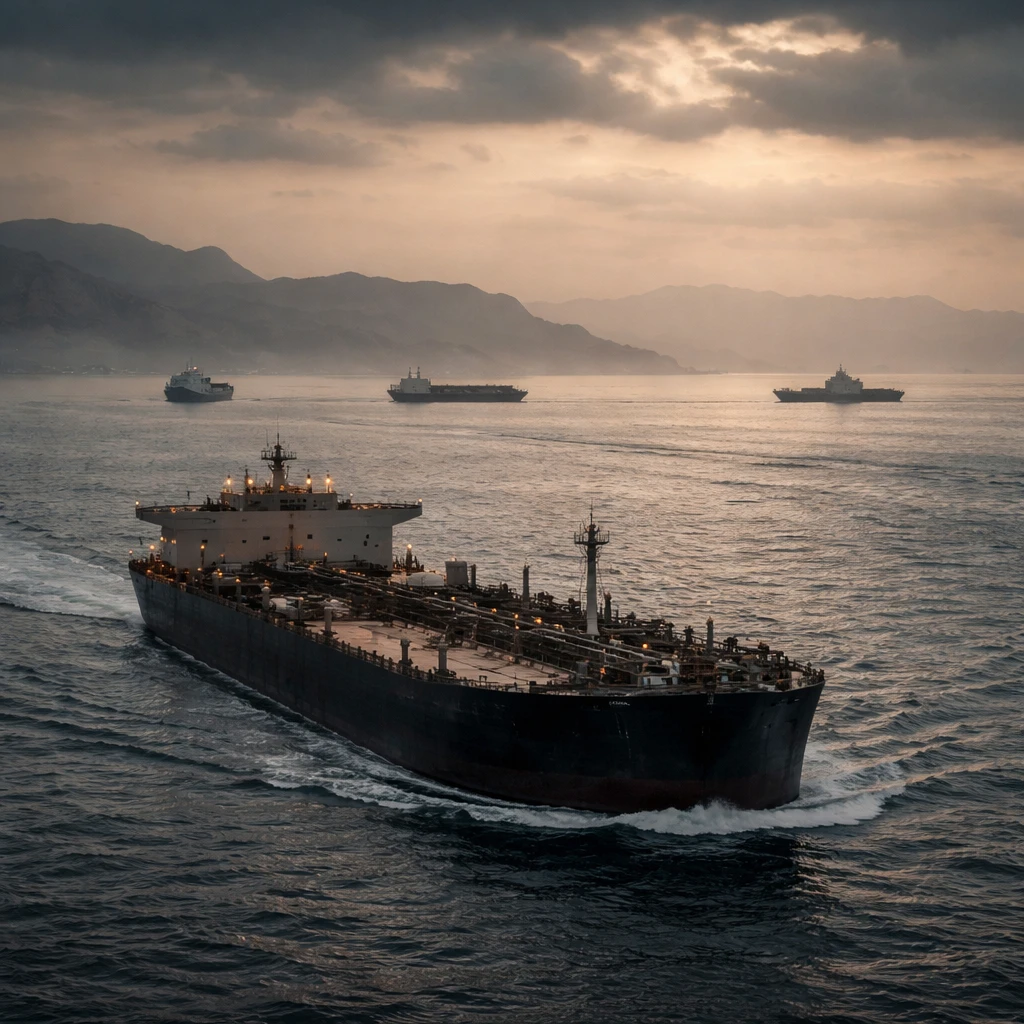
Iranian officials informed state-affiliated news services on Monday that disruption in the Strait of Hormuz will persist and that global energy markets should expect continued instability.
Tasnim news agency, citing an unnamed Iranian official, reported that the waterway - a critical transit point for oil shipments - will not return to its pre-war operating state and that energy markets will remain unsettled as a result. The same official, according to Tasnim and Fars News Agency, stated that Iran is not engaged in negotiations with the United States, neither through direct channels nor via intermediaries.
Tasnim further conveyed that President Donald Trump abandoned plans to strike vital Iranian infrastructure, attributing the decision to pressure from financial markets. That report said Tehran would persist in defensive measures until it has secured what it regards as credible deterrence.
Separately, Fars - an outlet described as closely affiliated with Iran's current regime - published an account saying that the U.S. President retreated after being told Iran would target all power plants across West Asia. Both Tasnim and Fars framed these developments as part of Tehran's posture of continued defense and deterrence.
The agencies' statements underline two clear themes: first, an intention by Iranian authorities to sustain disruption in a strategic maritime chokepoint with implications for energy flows; and second, a categorical denial from Tehran of any ongoing negotiations with Washington, as reported by both Tasnim and Fars.
Where the reports reference U.S. decision-making, they attribute a change in U.S. action to market pressures and to Iranian deterrent claims rather than to diplomacy or talks. Media outlets conveying these positions emphasized that the situation remains unsettled and that Tehran intends to continue defensive measures until it achieves the deterrence it seeks.
Context limitations: The reports cited are those published by Tasnim and Fars News Agency; the accounts reflect statements attributed to Iranian officials and the characterization of U.S. actions as presented by those agencies.