
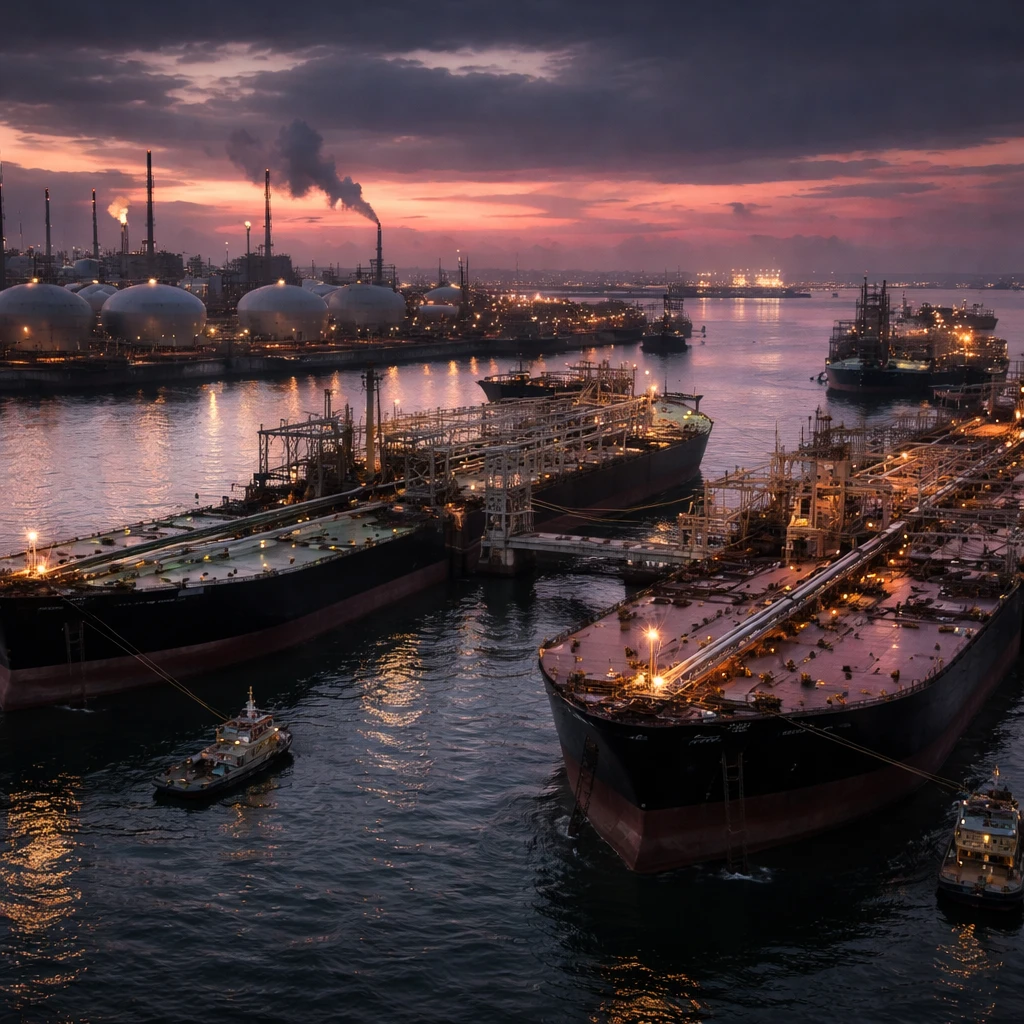
Iran's oil industry has experienced disruptions after the introduction of a U.S. maritime blockade targeting the country's ports, yet officials say production and exports have been maintained, Oil Minister Mohsen Paknejad said on state television on Monday.
Paknejad reported that oil output remained steady throughout 40 days of conflict and that export activities "proceeded favorably" during the same interval. He confirmed that the blockade precipitated difficulties but said the government has taken steps in response.
"Naturally, in the days following the blockade, we have faced challenges but measures were taken and this process continues,"
The minister did not disclose details on the specific countermeasures that have been adopted. He said those actions had been prepared ahead of time and are now in execution.
Paknejad added: "The enemy is full of delusions."
Beyond affirming that countermeasures exist and are underway, Paknejad provided no further information on what those measures entail or how they are being implemented. His remarks emphasized continuity of production and export operations across the 40-day period he referenced, and acknowledged operational challenges that emerged once the blockade took effect.
This account is based on the minister's statements broadcast on state television. The limited detail provided leaves the nature and scope of the government response unclear.
Context and implications - limited to minister's comments
From the statements reported by the minister, two core points are clear: Iranian authorities assert that oil production did not decline during the recent 40 days of conflict, and they contend that exports continued to function favorably over the same timeframe. The minister also affirmed prior planning for countermeasures and ongoing implementation, while withholding operational specifics.