
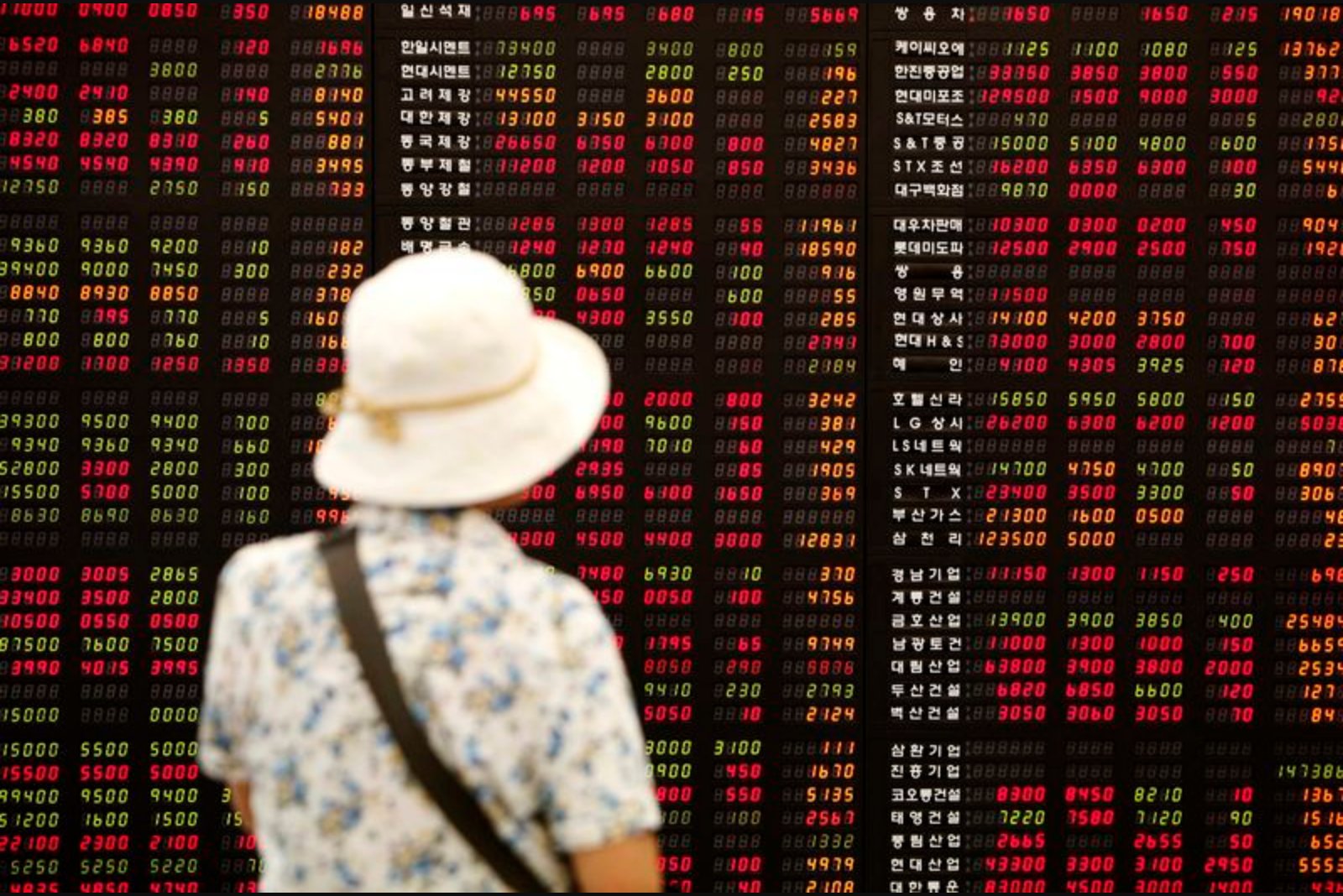
Global portfolio flows into emerging market assets rebounded sharply in April, according to data released by the Institute of International Finance. After a $66.2 billion withdrawal in March when escalating conflict in the Middle East unsettled markets, investors returned to emerging market securities, producing a net inflow of $58.3 billion for April.
The recovery was skewed heavily toward debt markets. Emerging market fixed income attracted $51.9 billion in April after suffering a $682 billion outflow in March. Equity markets also recovered, though to a far smaller extent, with inflows of $6.4 billion following a $65.5 billion exodus in March.
The IIF characterized the April figures as evidence that "immediate funding stress has eased. They do not show that the underlying shock has been absorbed," underlining that vulnerabilities persist for certain economies and market participants. The institute specifically noted elevated pressure on energy importers, companies and central banks.
Some markets helped lift the broader index performance. High-performing markets such as South Korea and Taiwan were among those that supported MSCI's 24-country emerging market stocks index, which recorded its second-best monthly performance in nearly two decades in March, and the rally has shown little sign of abating. At the same time, a spike in the spreads investors demand to hold emerging market government debt over U.S. Treasuries has largely reversed, indicating a partial normalization in risk premia.
Still, the IIF posed a central question about the durability of the rebound: "The key question is whether April marks the start of durable normalization or only the first relief phase after an extreme March adjustment." That uncertainty frames investor decisions into the months ahead.
Regional patterns were uneven. Much of April's recovery occurred outside China, with debt markets accounting for a significant share. Ex-China debt inflows surged to almost $50 billion in April, up from $13.8 billion in March. Ex-China equity flows returned to $5 billion after nearly $63 billion departed in March.
Year-to-date figures underline the divergence. Debt flows into China remain negative at -$16.7 billion, while emerging markets excluding China have attracted almost $109 billion in debt flows so far this year. Latin America stood out as one of the stronger performers, drawing $13 billion in April alone.
The Africa and Middle East region also saw money return to debt markets, with $7.3 billion flowing back in April after a $6.5 billion outflow in March; this was partly offset by an additional $713 million of equity outflows from the region.
Overall, the IIF's data point to a rapid return of investor interest in emerging market assets following the March shock, but the institute's commentary stresses that relaxation of immediate funding strains should not be confused with a full resolution of the underlying disruptions that prompted the initial flight of capital.