
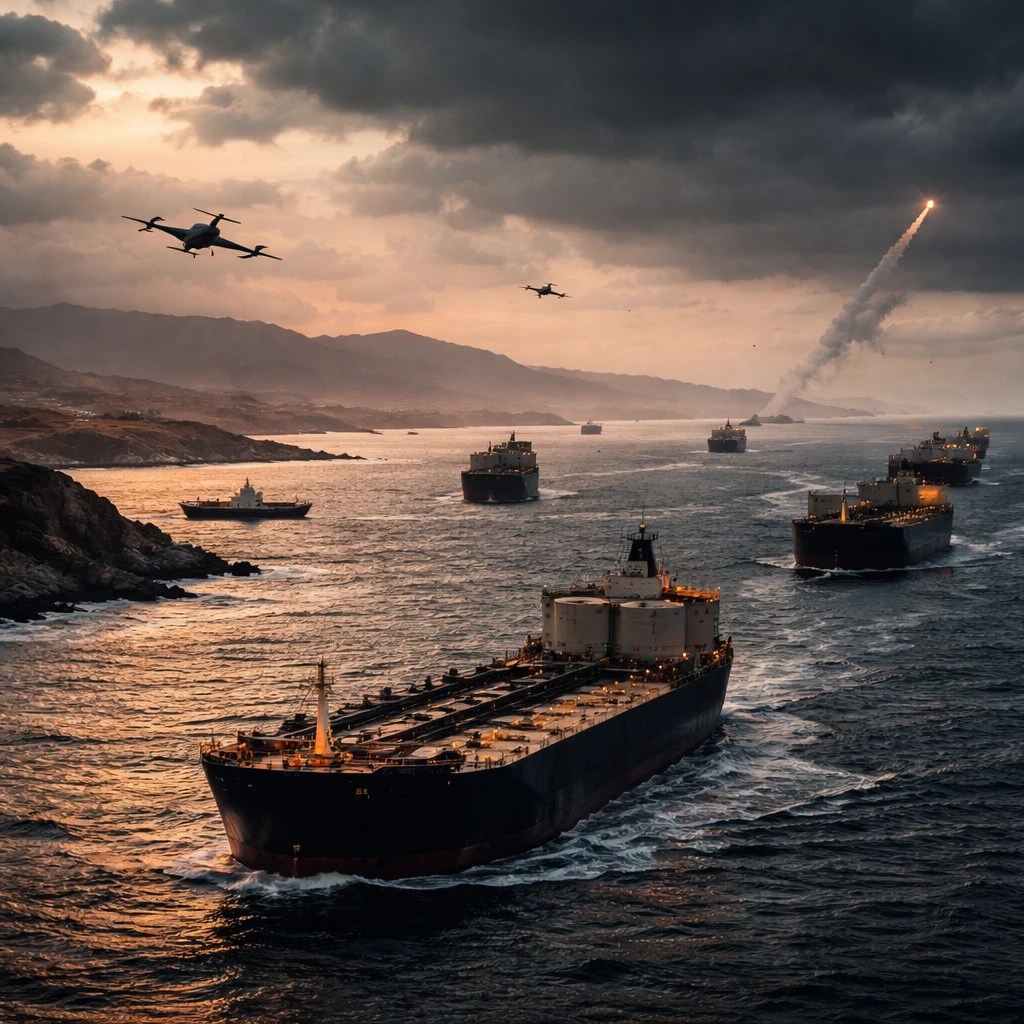
U.S. intelligence assessments reviewed by officials conclude that Iran is unlikely to cede control of the Strait of Hormuz in the near term, treating its hold over the narrow waterway as a primary means of pressure against Washington.
According to sources close to the intelligence community, Tehran plans to continue constraining passage through the strait in order to keep global energy prices elevated - a direct method of economic coercion meant to increase pressure on President Donald Trump to negotiate a favorable exit from the five-week-old conflict.
The tactic and its market impact
Officials and analysts characterize Iran’s obstruction as a "weapon of mass disruption," noting the outsized market effects of blocking a key maritime artery that carries about 20% of global oil trade. The disruption has pushed crude to multi-year highs and has heightened inflationary concerns in the United States at a politically sensitive moment, with the Republican Party preparing for midterm elections in November.
That economic pressure is part of Tehran’s immediate objective, according to the intelligence view: maintain upward pressure on energy prices to extract political concessions from Washington rather than simply pursuing short-term battlefield gains.
Tactical limits on military remedies
Analysts caution that the narrowness and geography of the 21-mile-wide transit corridor complicate any straightforward military response. The intelligence assessments emphasize that even if coalition forces were to control coastal positions, the Islamic Revolutionary Guard Corps (IRGC) retains asymmetric options to interdict commercial traffic from deeper inland.
These options include the use of low-cost drones and missile strikes launched from inside Iran, which can be employed to make commercial transit hazardous. As Ali Vaez of the International Crisis Group put it, "All it takes to deter vessels is one or two drones," a dynamic that has left the waterway effectively uninsurable for most commercial carriers, sources say.
From temporary blockade to lasting leverage
Intelligence reports also indicate Tehran’s strategic thinking extends beyond immediate market disruption. Officials assess that Iran intends to convert its temporary control into a more permanent regulatory posture. Former CIA Director Bill Burns has been cited as saying Tehran views the ability to charge "passage fees" as an important source of funding for post-war reconstruction.
Beyond the direct financial upside, Iran is expected to use the maritime leverage it has demonstrated to press for long-term security guarantees and deterrence measures as part of any final settlement with the United States.
Diplomacy, allies and operational burden-sharing
The White House has publicly expressed confidence that the strait will be reopened soon, but administration officials have signaled that NATO allies and Gulf partners - who rely more heavily on these energy corridors - should take on a greater role in maritime security operations.
That shift reflects the administration’s dilemma: reopen critical trade routes and markets without becoming bogged down in a prolonged, costly ground campaign. How responsibility is shared among the United States, regional navies and allied forces remains a central unresolved issue in operational planning and diplomatic negotiations.
Summary
U.S. intelligence indicates Iran is likely to maintain its chokehold on the Strait of Hormuz as a strategic lever to raise global energy prices and extract concessions from Washington. The blockade has pushed crude prices higher, complicated military options to resume shipments, and could be transformed into a longer-term regulatory tool allowing Iran to charge passage fees and demand security guarantees.