
Economy June 18, 2026 07:34 AM

India's Thermal Coal Imports Reach Four-Year Low as Domestic Output and Renewables Rise

Imports fall amid higher local production, hot weather-driven demand and rising costs for imported coal

By Leila Farooq
Share
Twitter Reddit Facebook LinkedIn

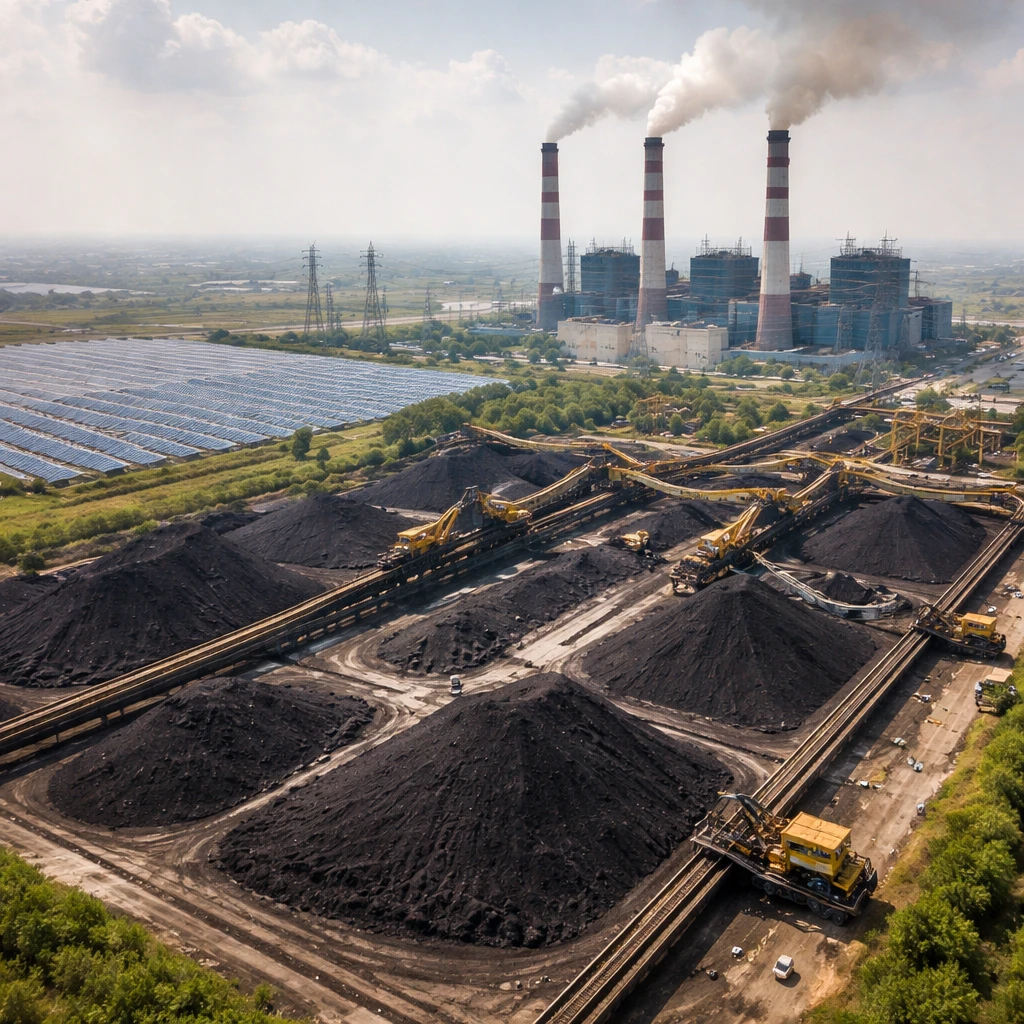
India's thermal coal imports fell to 65 million tons in the January-May period, the lowest five-month level in four years, driven by increased domestic production, a sizable expansion in renewable generation and higher costs for imported coal and shipping, according to commodities consultancy BigMint. Total power generation rose, with thermal output and peak demand climbing as heat waves pushed electricity use higher.

India's Thermal Coal Imports Reach Four-Year Low as Domestic Output and Renewables Rise
Summarize with
ChatGPT Perplexity Claude Grok Gemini

Key Points

  • India's thermal coal imports fell to 65 million tons in January-May, a 12% decline year-on-year, reaching a four-year low - impacts coal traders and importers.
  • Domestic production was stepped up by Coal India and renewable generation expanded 22%, affecting power utilities and the broader energy mix.
  • Power demand rose sharply in May - peak demand topped the 270 GW forecast and monthly demand increased 11.2% - pressuring thermal generation and grid operations.

India's reliance on imported thermal coal eased sharply during the January-May window, with shipments totaling 65 million tons - the smallest five-month intake in four years, BigMint data show.

The decline represented a 12% drop versus the same period a year earlier. India remains the world's second-largest buyer of thermal coal even after the reduction.

Officials and market observers point to multiple factors behind the fall. Coal India directed its subsidiaries to lift production as high temperatures connected to the El Nino pattern increased electricity consumption. At the same time, renewable electricity output expanded markedly, and BigMint also cited higher prices for imported coal and elevated freight rates - tied to tensions in the Middle East - as contributors to the weaker import tally.

Generation and demand trends

Total power generation in India increased by 5% in the January-May period compared with the prior year, while renewable generation grew by 22% over that same span. These shifts occurred alongside hotter weather and rising demand.

Peak power demand exceeded the government's forecast of 270 gigawatts on May 21, driven by heat waves. In May specifically, national power demand rose 11.2% to reach a two-year high, according to data from federal grid regulator Grid-India.

Thermal power generation also moved higher in May, climbing 10% from a year earlier and reaching its strongest level since May 2024 as utilities ramped up output to meet persistent electricity needs.

Policy stance

The country has set a goal of cutting thermal coal use for power generation by at least 30% this year, part of a broader push to reduce dependence on imports and to shift the generation mix. The data through May show a combination of increased domestic supply, higher renewable output and cost pressures on imports that together contributed to the lower import volumes reported by BigMint.

While imports have fallen, India continues to balance domestic production, thermal generation and growing renewable supplies to satisfy rising electricity demand during the hotter months.

Risks

  • Higher prices for imported coal and increased freight rates linked to the Middle East crisis may keep import costs elevated, affecting power generator margins - relevant to utilities and commodity traders.
  • Sustained heat waves associated with El Nino have driven up electricity consumption, raising the risk of continued pressure on thermal generation to meet demand - relevant to grid operators and fuel suppliers.
  • The government target to cut thermal coal use for power generation by at least 30% this year is stated, but the article does not provide detail on progress toward that goal, leaving uncertainty about its full implementation and market effects.

More from Economy

Brazil signals room for more rate cuts but leaves decision to central bank Jun 18, 2026 U.S. Weekly Jobless Claims Dip as Layoffs Remain Low Jun 18, 2026 Brazil Finance Chief Says Further Rate Reductions Are Possible as Inflation Outlook Worsens Jun 18, 2026 Czech National Bank lifts policy rate 25 bps to 3.75% in first hike since 2022 Jun 18, 2026 ECB chief economist says Europe is coping with a 'medium shock' Jun 18, 2026