
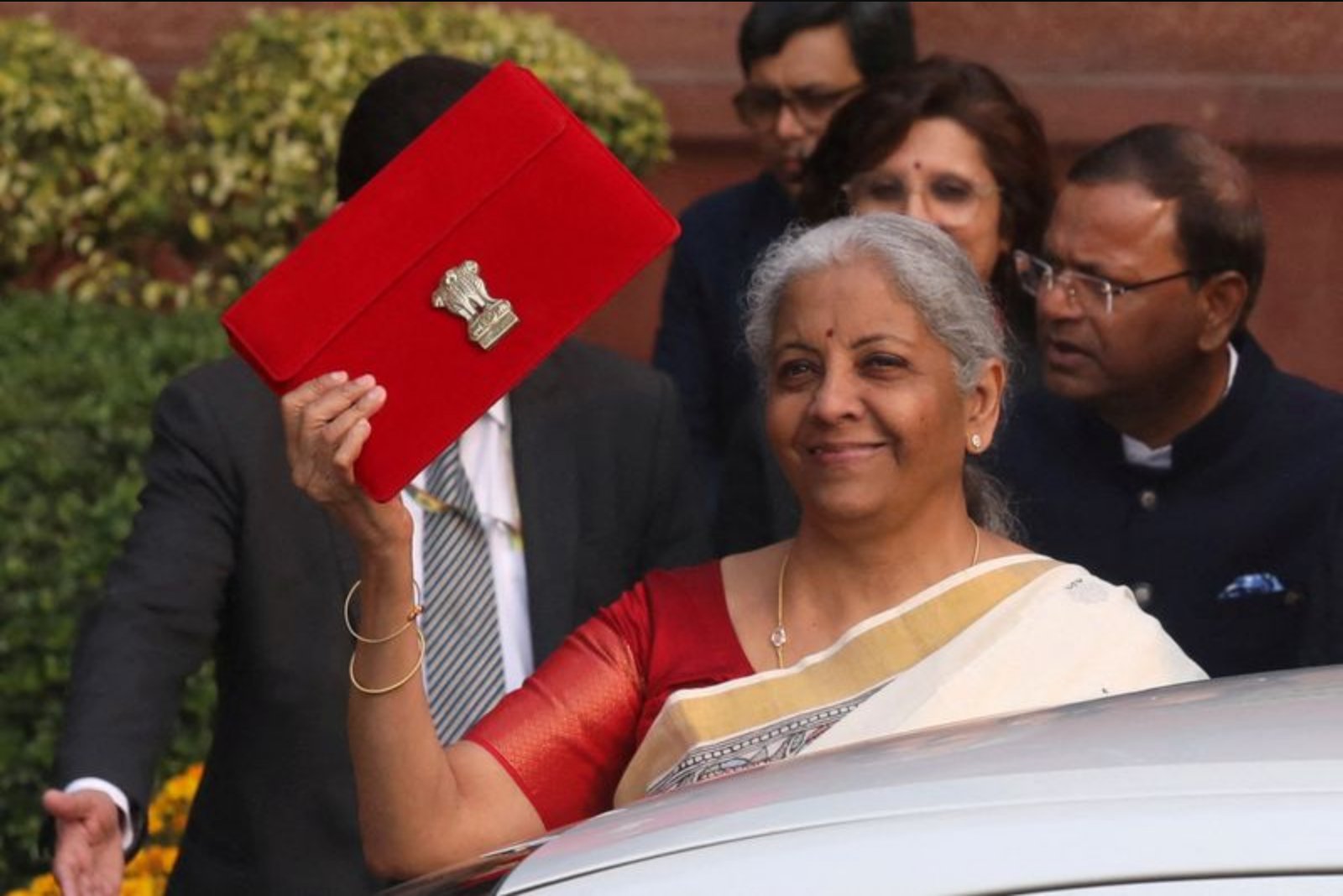
India’s central government will unveil its yearly budget on Sunday, with Finance Minister Nirmala Sitharaman scheduled to present the plan for the next fiscal year at 11 a.m. (0530 GMT). Officials and markets are expecting a budget that pushes forward a suite of domestic policy reforms while tightening the government’s fiscal stance after a notable decline in revenue linked to recent tax cuts.
Tax reductions implemented by New Delhi are estimated to reduce revenue by 1.5 trillion rupees ($16 billion) in the current fiscal year. That shortfall comes at a moment when the government has set a fiscal deficit target of 4.4% of gross domestic product for the 12 months through March, constraining room for additional spending.
Prime Minister Narendra Modi framed the policy direction in remarks this week, saying: "The nation is moving away from long-term problems to tread the path of long-term solutions. Long term solutions provide predictability that fosters trust in the world." The government’s economic survey issued before the budget forecast growth of between 6.8% and 7.2% for the fiscal year that begins in April.
In recent months New Delhi has advanced a series of measures intended to stimulate private investment and household demand. Those steps have included cuts to consumption and income taxes, an overhaul of labour laws, and moves to open the tightly controlled nuclear-power sector. Officials expect to announce additional policy measures in the budget statement.
One of the government’s strategic priorities is a renewed effort to expand the manufacturing sector’s share of the economy. The upcoming budget is expected to mark a third major push to lift manufacturing after two earlier attempts that did not meet targets. Alongside that effort, the government is anticipated to relax certain rules to facilitate investments in defence manufacturing.
On the financing side, gross government borrowing is projected to increase to a range of 16 trillion to 16.8 trillion rupees for the year starting in April, up from 14.6 trillion rupees in the current fiscal year. The higher borrowing requirement reflects the combined effects of slower revenue growth and ongoing expenditure commitments.
External trade moves are also part of the government’s strategy to blunt international headwinds. New Delhi is pursuing deals such as a landmark trade agreement with the European Union to help offset the impact of steep tariffs imposed by the United States on some Indian exports - tariffs that in certain cases reached 50%.
The official dollar-rupee reference in reporting places the exchange rate at $1 = 91.6710 Indian rupees.
Context and implications
The budget is expected to walk a fine line: continue structural reforms to encourage investment and growth while exercising restraint on public spending to stay within fiscal targets after the revenue impact of tax cuts.