
Economy April 6, 2026

IMF Head: Middle East War Will Push Up Inflation and Weigh on Growth

Kristalina Georgieva warns conflict erodes a planned upgrade to global growth forecasts and prompts lending requests to the IMF

By Avery Klein
IMF Head: Middle East War Will Push Up Inflation and Weigh on Growth

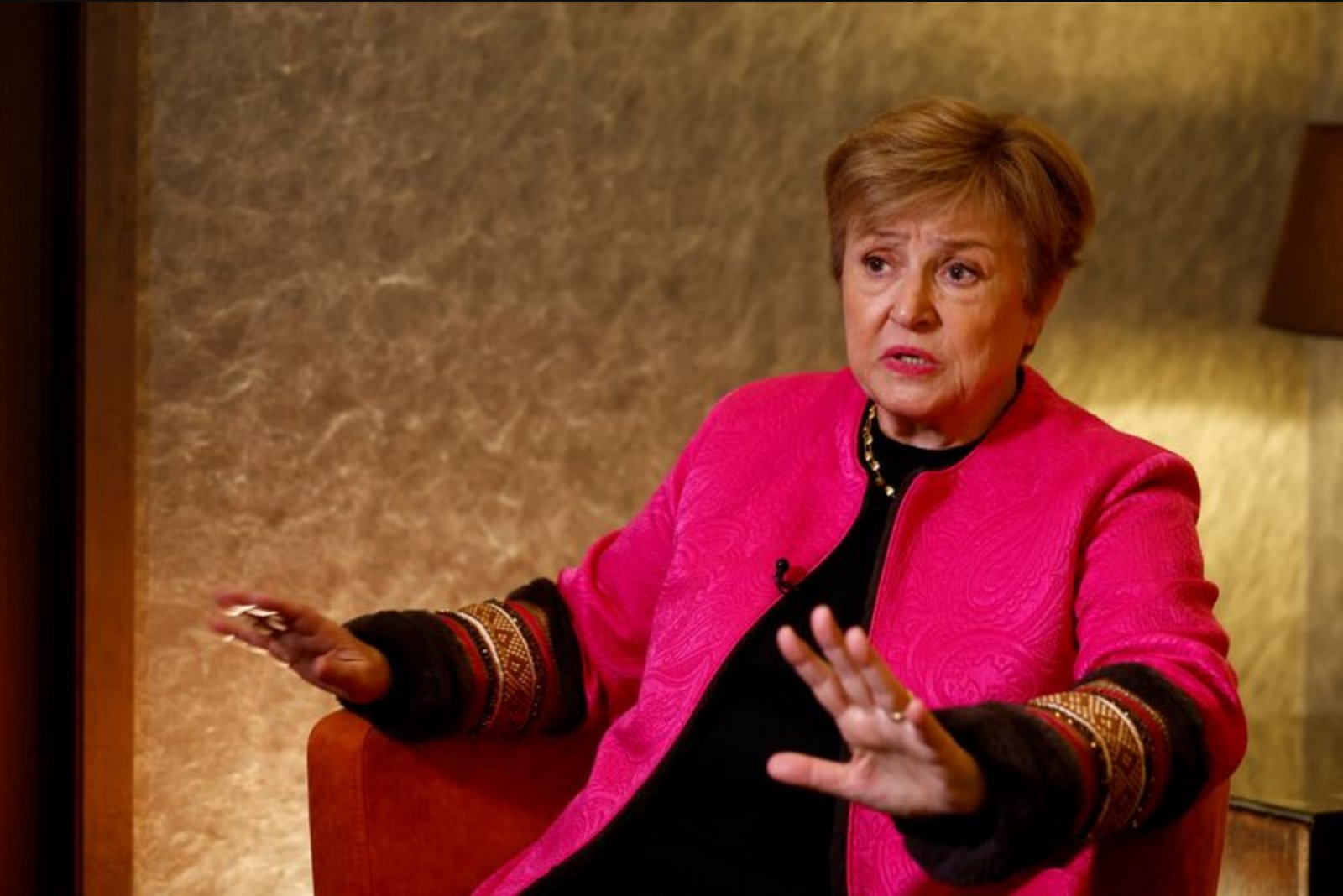
The managing director of the International Monetary Fund said the conflict in the Middle East will produce higher inflation and slower global growth, derailing a small upward revision the fund had anticipated for 2026-27. Even a quick end to hostilities would still leave the IMF revising growth downward and inflation upward, while a prolonged war would amplify those effects. The IMF has received unspecified requests for financial assistance and can bolster existing lending programs to respond.

Key Points

  • The IMF's managing director said the Middle East war will lead to higher inflation and slower global growth.
  • Absent the conflict, the IMF had anticipated a small upgrade to global growth to 3.3% in 2026 and 3.2% in 2027.
  • The IMF has received financing requests from some countries and can augment existing lending programs to meet needs.

WASHINGTON, April 6 - The International Monetary Fund's managing director said the war in the Middle East will result in higher prices and slower global growth, upending a modest upward revision the fund had been preparing for next week's world economic forecast.

Policy outlook and projections

The IMF had expected a small upgrade to its projection for global growth to 3.3% in 2026 and 3.2% in 2027, but the managing director said the conflict changes that trajectory. "Had we not had this war we would have seen a small upgrade of our growth projections. Instead, all roads now lead to higher prices and slower growth," she said.

She added that even if hostilities end quickly and a reasonably rapid recovery follows, the fund would still record a "relatively small" downward revision to its growth forecast along with an upward revision to its inflation forecast. If the fighting is drawn out, the impact on both inflation and growth would be larger, she said.

Requests for support and IMF response

The IMF has already received requests for financing assistance from some countries, although the managing director did not identify them. To address those needs, she said the IMF has the capacity to augment certain existing lending programs.


Context and implications

The comments come in the run-up to the IMF's scheduled update of its global economic outlook. The fund's managing director framed the current conflict as a material factor forcing the institution to revise both its growth and inflation expectations, even under scenarios in which hostilities end early.

Closing

Officials at the IMF signaled readiness to provide additional financing through established programs in response to requests from member countries, while emphasizing that the magnitude of revisions to forecasts will depend on how long the conflict endures.

Risks

  • A protracted war would increase the negative effects on both inflation and growth, amplifying economic pressures.
  • Even a rapid end to hostilities would still prompt a "relatively small" downward revision to growth and an upward revision to inflation.
  • Uncertainty about which countries have requested IMF financing complicates assessment of the scale and distribution of fiscal stress.

More from Economy

Seeking Signals From the Noise: Markets Edge Up as Geopolitics and Data Collide Apr 6, 2026 White House Seeks to Trim TSA Workforce by More Than 9,400 and Cut $1.5 Billion from Agency Budget Apr 6, 2026 Fed Officials Flag Inflation as Primary Risk as Energy Costs Rise Apr 6, 2026 Fed Officials Flag Inflation as Primary Concern, Say Labor Market Less Troubling Apr 6, 2026 Latam FX Firms as Ceasefire Reports Boost Risk Appetite, Then Fade on Mixed Signals Apr 6, 2026