
Overview
International Monetary Fund Managing Director Kristalina Georgieva on Monday warned that the intensifying confrontation between the United States, Israel and Iran carries material upside risks for inflation worldwide, as oil prices climbed sharply in Asian trade to levels not seen since 2022.
Georgieva's assessment
Speaking at a symposium organised by Japan's finance ministry, Georgieva quantified the sensitivity of inflation to oil moves, saying that a 10% increase in oil prices sustained through most of the year would push global inflation up by about 40 basis points. She cautioned that the new Middle East conflict is testing economic resilience and urged policy makers to "think of the unthinkable and prepare for it."
Market reaction
The IMF chief's remarks coincided with pronounced market volatility. Brent crude futures surged by more than 30% in Asian trading, reaching a peak of $119.50 a barrel, while West Texas Intermediate climbed to an intraday high of $119.43. By 02:18 ET Brent was trading at $107.07 a barrel.
Escalation on the ground and at sea
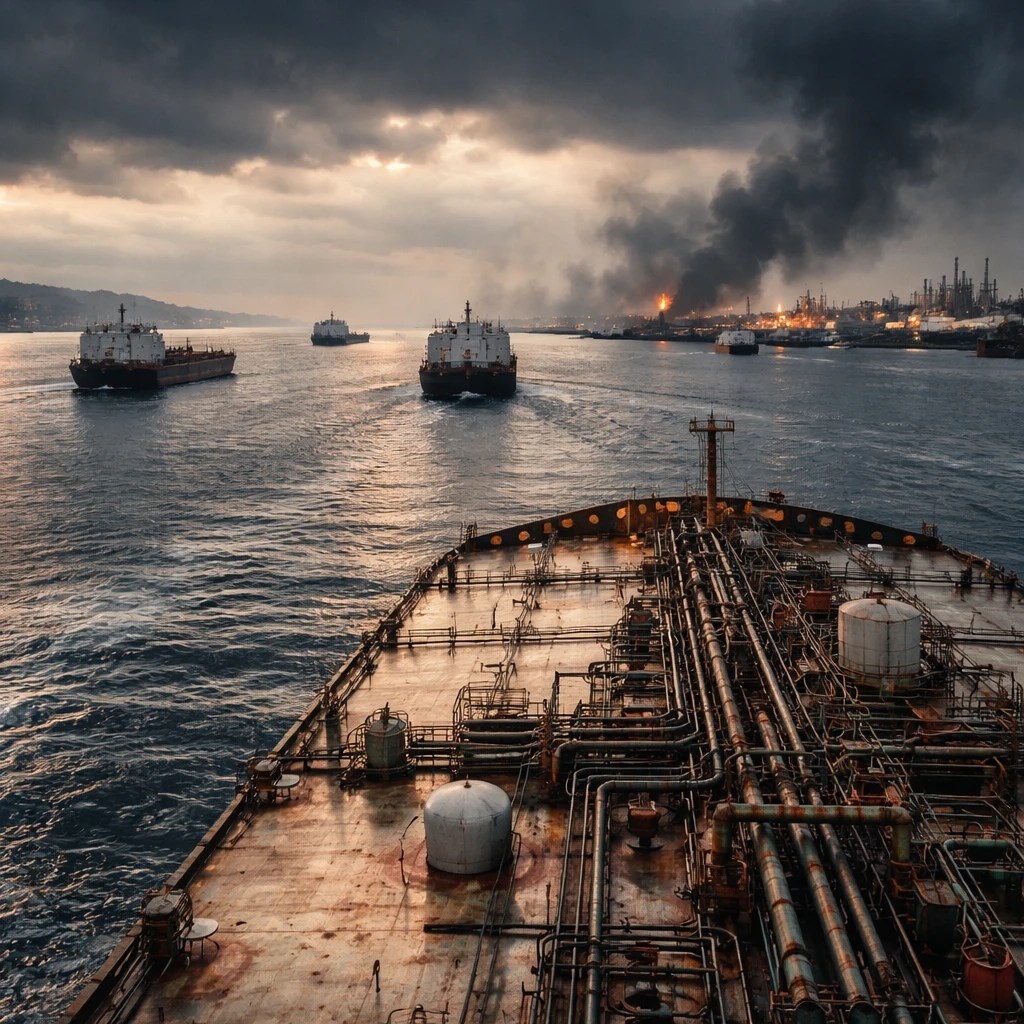
The conflict intensified over the weekend after air strikes hit Iranian oil facilities in Tehran and in the Alborz province - the first such strikes since hostilities began in early March. Iran then launched retaliatory attacks on oil infrastructure in neighbouring countries and carried out strikes on vessels transiting the Strait of Hormuz. Those actions effectively blocked a chokepoint through which roughly 20% of global oil supply passes.
As storage capacity has filled amid broad supply disruptions, major Gulf producers including the United Arab Emirates and Kuwait have begun curtailing output. Overall oil prices have risen more than 25% since the onset of the war.
Analyst and policy commentary
OCBC analysts warned that a prolonged stoppage at the Strait of Hormuz could rival the energy shock experienced during the 2022 Russia-Ukraine conflict, and suggested Brent could remain near $100 a barrel through mid-year if the disruption persists.
U.S. President Donald Trump on Sunday acknowledged that prices would remain elevated in the near term, framing the cost as necessary and writing: "Short term oil prices...is a very small price to pay for U.S.A., and World, Safety and Peace." On Monday U.S. gasoline futures jumped more than 10%, approaching highs last seen in mid-2022.
Implications
Georgieva's comments underline the potential macroeconomic consequence of tightening energy markets driven by geopolitical escalation: higher fuel costs that feed into consumer prices and broad inflation measures. The combination of strike activity, maritime attacks and production curbs has already driven sharp increases in crude and refined fuel futures.