
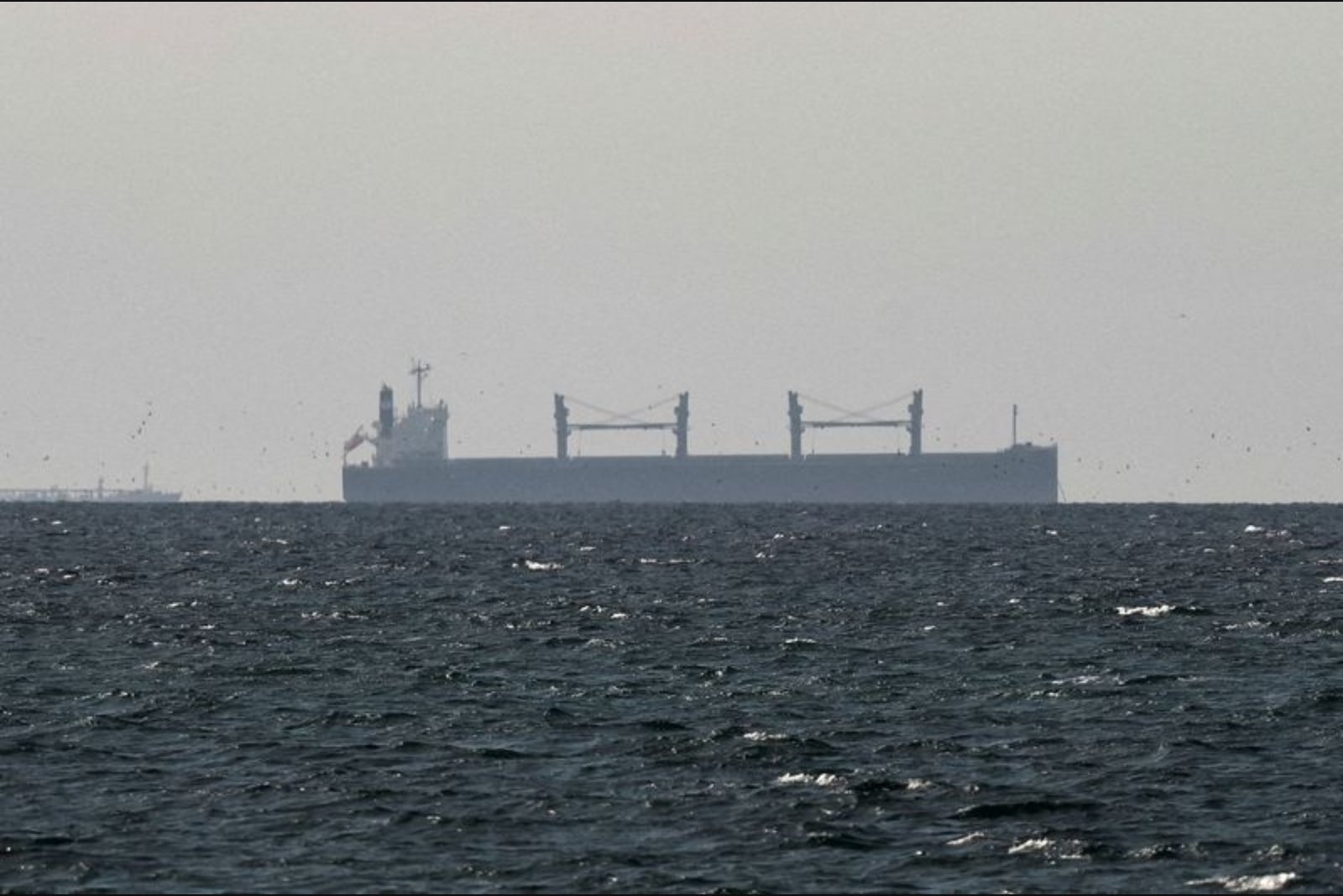
The International Energy Agency (IEA), International Monetary Fund (IMF) and World Bank said they will set up a joint coordination group to bolster their collective response to the sizable economic and energy consequences of the war in the Middle East. In a joint statement, the three institutions highlighted major disruptions in the region and said the conflict has precipitated one of the largest supply shortages in global energy market history.
"At these times of high uncertainty, it is paramount that our institutions join forces to monitor developments, align analysis, and coordinate support to policymakers to navigate this crisis," the heads of the IMF, IEA and World Bank said in the statement.
The newly formed coordination group will have several core tasks, the organizations said. It will assess the severity of impacts across different countries, devise and coordinate a response mechanism, and mobilize stakeholders to deliver assistance to nations in need. The response mechanism could involve targeted policy advice, evaluations of potential financing needs and the provision of financial support, including through low or zero-percent financing, as well as unspecified risk mitigation tools.
Officials flagged a broad array of economic and market effects already emerging from the conflict. Higher prices for oil, gas and fertilizer are underway, and the war is stoking concerns about food costs. Global supply chains for commodities such as helium, phosphate and aluminum have been affected, the institutions said, while tourism has also suffered.
The conflict, now in its second month, began when the U.S. and Israel struck Iran on February 28, touching off Iranian attacks on Israel, U.S. bases and Gulf states and opening a new front in Lebanon. Thousands of people have been killed across the Middle East as the fighting has spread.
"The impact is substantial, global, and highly asymmetric, disproportionately affecting energy importers, in particular low-income countries," the IMF, IEA and World Bank said. They warned that the market volatility and weakening of currencies in emerging economies, together with concerns about inflation expectations, raise the prospect of tighter monetary stances and weaker growth.
The institutions stated their commitment to "working together to safeguard global economic and financial stability, strengthen energy security, and support affected countries and people on their path to sustained recovery, growth, and job creation through reforms."
By coordinating analysis and support, the three bodies aim to provide policymakers with coherent guidance and to marshal financial instruments that could include concessional financing and other risk-sharing arrangements. The statement did not specify which countries would receive what type of assistance, how quickly financing might be made available, or the exact nature of potential risk mitigation measures.
As the coordination group moves to implement its mandate, the institutions will monitor developments across energy markets and commodity chains to better understand where shocks are most acute and which countries face the greatest financing and policy challenges. The institutions emphasized the asymmetric nature of the crisis and the particular vulnerability of energy importers and lower-income economies to the ongoing disruptions.
Summary
The IEA, IMF and World Bank will create a coordination group to align monitoring, analysis and policy support in response to the economic and energy disruptions caused by the war in the Middle East. The effort will assess country-level impacts, coordinate a response mechanism and mobilize stakeholders to provide policy advice, financing and risk-mitigation tools to affected nations.