
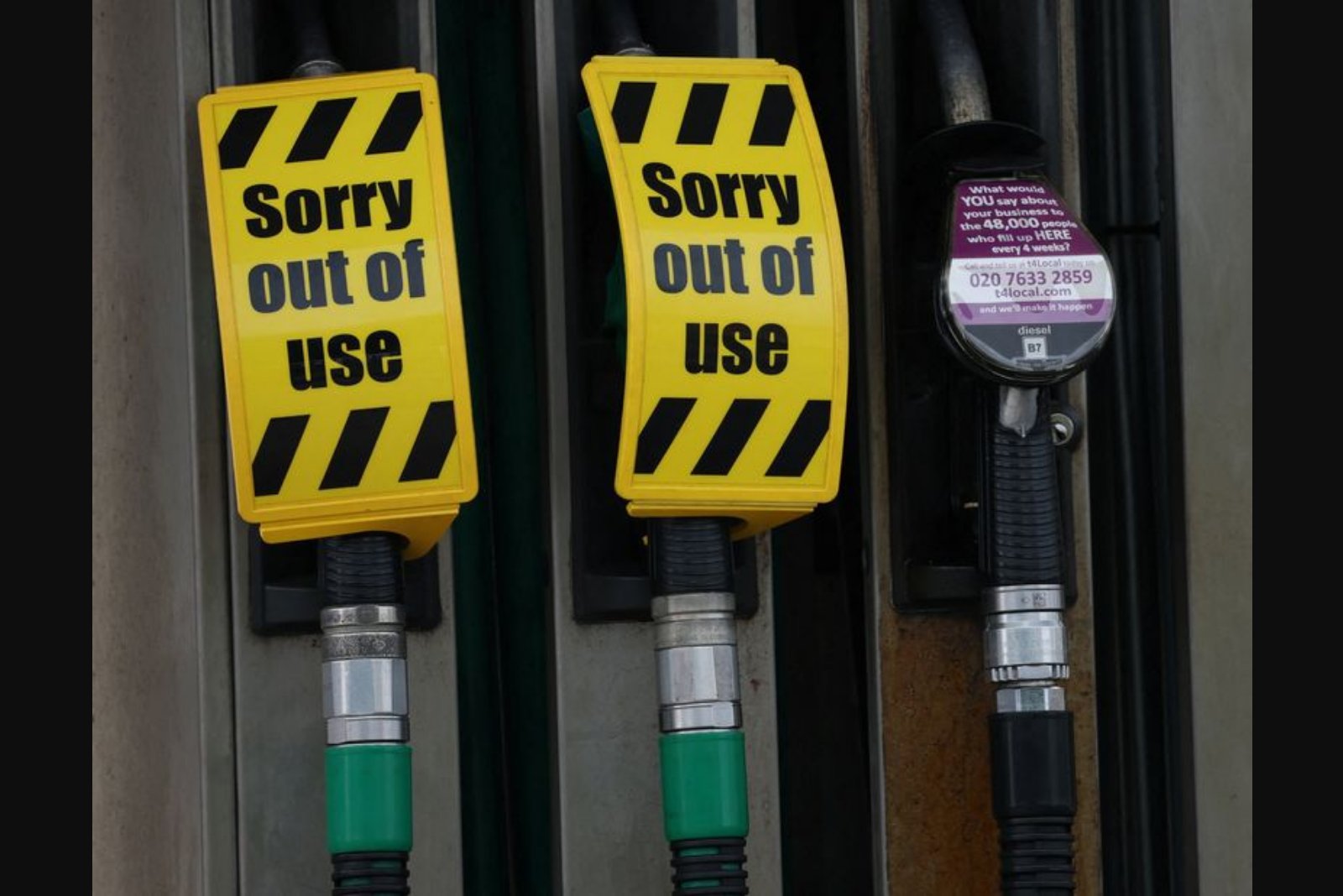
PARIS, April 7 - The leaders of three major global institutions will gather next Monday to address the energy disruption stemming from the Iran war, IEA executive director Fatih Birol said on Tuesday. Birol made the announcement on the social media platform X, reiterating that the situation demands international cooperation.
"This energy crisis calls for all hands on deck & international cooperation," Birol wrote on X, emphasizing the need for the International Energy Agency, the International Monetary Fund and the World Bank to back governments facing economic fallout from the conflict.
Birol, the IMF’s chief Kristalina Georgieva and the World Bank’s Ajay Banga reached agreement last week to establish a coordination group aimed at responding to the regional disruption. According to the officials, that disruption has produced one of the largest supply shortages in the history of global energy markets.
The officials outlined a range of potential elements for their collective response. Measures could include targeted policy advice for affected governments, assessments of potential financing needs and the direct provision of support. The support options mentioned include low- or zero-percent financing and unspecified risk mitigation tools, the leaders said.
Birol’s announcement came against the backdrop of heightened tensions over the Strait of Hormuz. U.S. President Donald Trump issued a threat to Iran that "a whole civilisation will die tonight" unless Tehran accepted an ultimatum to open the Strait of Hormuz. The waterway had previously been described as an international route through which about a fifth of global oil and liquefied natural gas typically passed.
Separately, Birol recently told the French newspaper Le Figaro that the current oil and gas crisis, which he attributed to Iran’s blockade of the Strait of Hormuz, is "more serious than the ones in 1973, 1979 and 2022 together."
The meeting next Monday will aim to coordinate the three institutions' instruments and guidance as governments confront the economic consequences of the disruption. The measures discussed by the leaders cover policy, finance and risk mitigation, though details on implementation and timing were not specified.