
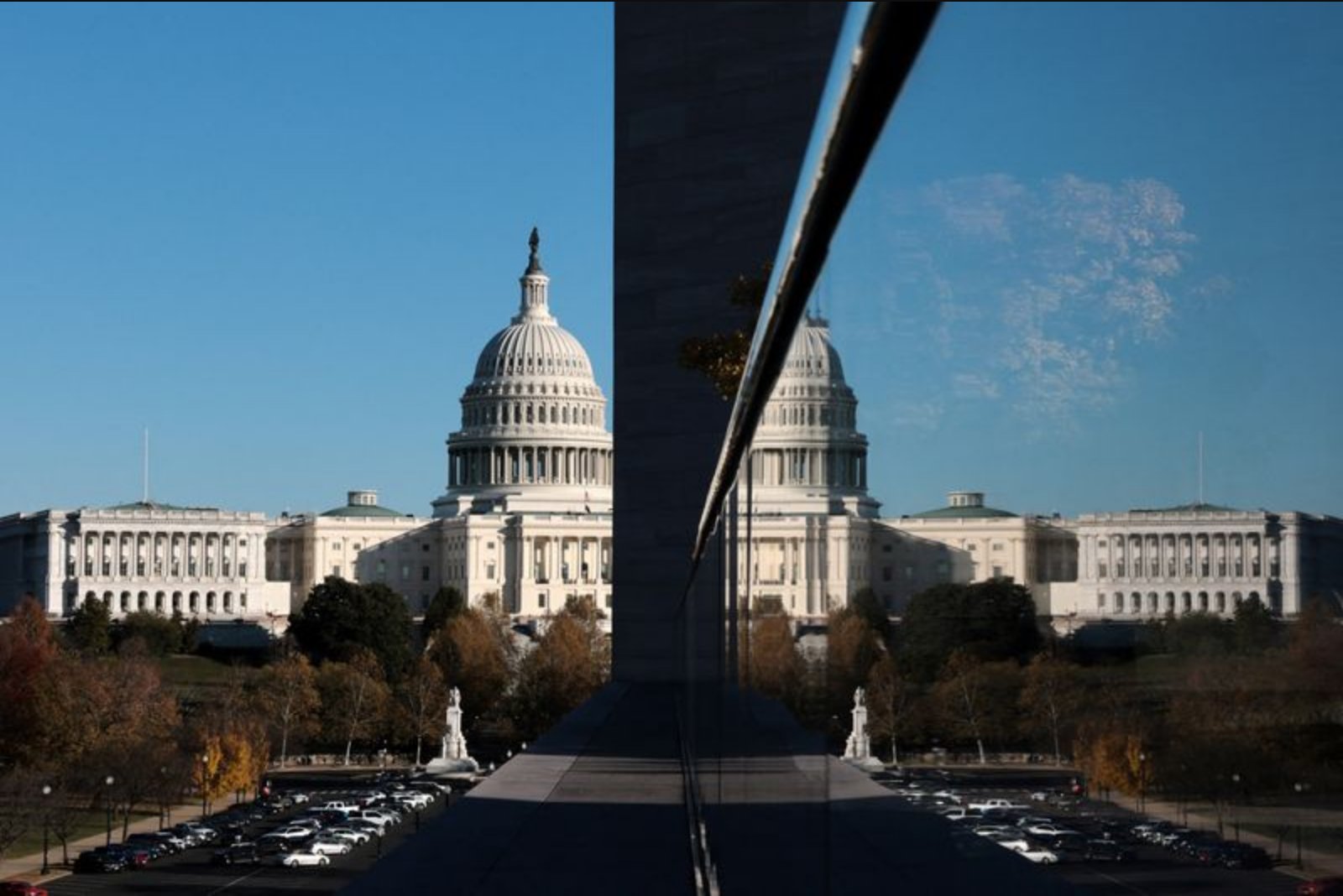
Why the government could stop working
Congress must annually provide appropriations that cover 438 federal agencies. When lawmakers fail to pass funding measures, agencies are required to pause non-essential activities until Congress restores appropriations. Lawmakers have already approved funding measures for a number of federal entities through the current fiscal year, which runs through September 30. However, a dispute over immigration-related provisions in the spending package that funds the Department of Homeland Security - part of a larger omnibus bill - has left the Senate deadlocked.
Senate Democrats have said they will not support the DHS portion of the spending bill unless additional oversight measures are added to address what they describe as aggressive immigration enforcement policies by the executive branch. The legislation cannot progress in the Senate without the backing of at least 60 senators, and Republicans control 53 seats, leaving them short of the votes needed to overcome a filibuster if Democrats oppose the measure. Republicans in the Senate have so far declined to alter the bill, which the House of Representatives approved last week without the changes Democrats seek.
Absent a negotiated compromise, funding tied to the bill is scheduled to lapse at 12:01 a.m. Eastern Time on Saturday, January 31, raising the prospect of a partial government shutdown.
Which agencies would be swept up in a shutdown
The DHS portion of the spending package is bundled with funding for several other major departments and agencies. If the package is not approved, funding could expire for the following: the Department of Defense, the Department of Health and Human Services, the Department of Labor, the Department of Education, the Department of Transportation, the Department of Housing and Urban Development, the Securities and Exchange Commission, the Department of the Treasury, the federal court system, and the Department of State.
The Department of Homeland Security itself encompasses bodies that handle immigration and border matters, including Customs and Border Protection and Immigration and Customs Enforcement. DHS also contains the Coast Guard, the Secret Service, agencies that oversee cybersecurity and airport security, disaster response units, and counterterrorism functions. Democrats have urged Republicans to split the larger spending bill so that DHS could be separated from other departments and thus avoid disruption, but Republicans have not agreed to do so.
Any change adopted by the Senate would also require acceptance by the Republican-controlled House, which is out of session and scheduled to return to Washington on February 2.
Services and operations that could be affected
Several concrete operations could be curtailed if funding lapses. The federal court system has stated it will lack sufficient funds to sustain full operations after February 4, a shortfall that could interrupt hearings and related judicial activities. The Internal Revenue Service could face interruptions in tax processing, with the potential for delays to refunds if its funding runs out.
Data collection and publication by the Bureau of Labor Statistics could be disrupted or delayed, as occurred during a prior shutdown, leaving investors and markets without timely information about the U.S. labor market and the broader economy. Research programs at the National Institutes of Health are also at risk of disruption, which could affect ongoing scientific studies and scheduled work.
What would continue to operate
Earlier legislation signed into law by the President provides funding for dozens of agencies for the current fiscal year. Those agencies include, among others, the Department of Justice, the FBI, the Department of Commerce, NASA, the Department of Energy, the Army Corps of Engineers, the Department of the Interior, the Environmental Protection Agency, the Department of Agriculture, the Department of Veterans Affairs, the Smithsonian Institution, and the National Science Foundation.
Because those agencies are funded through the fiscal year, popular national attractions such as the Grand Canyon and the National Zoo would remain open in the event of a shutdown. The Supplemental Nutrition Assistance Program would also continue to operate under the enacted funding.
Even within agencies that run out of funding, hundreds of thousands of employees would still be required to work if they are designated as "essential." This group typically includes military personnel, air traffic controllers, and most Department of Homeland Security staff such as customs agents, airport security officers, Border Patrol agents, and Immigration and Customs Enforcement personnel. Although they perform critical functions during a lapse, essential staff are generally not paid until Congress restores appropriations.
During the October-November 2025 shutdown, however, the President authorized continued pay for troops and federal law enforcement officers, including Border Patrol and ICE employees, a precedent that affected pay practices during that lapse.
Economic and operational consequences
The federal government has experienced 16 shutdowns since 1981, most of them short in duration. The most recent and longest lasted 43 days, from October 1 to November 12, 2025. That episode was triggered by an unsuccessful bid by Democrats to extend health care subsidies that were due to expire at the end of the year. The 2025 shutdown led to hundreds of thousands of federal employees being furloughed without pay and disrupted a broad range of services, including elements of air travel, food assistance programs, and the release or collection of economic data.
The nonpartisan Congressional Budget Office estimated that the 43-day shutdown cost the U.S. economy about $11 billion. Any future lapse in funding would carry the risk of similar operational interruptions and economic effects, depending on its duration and scope.
What remains uncertain
The immediate outcome rests with negotiations in the Senate and any subsequent actions by the House once it reconvenes. If the Senate and House cannot agree on amendments or passage of the spending package before the funding deadline, affected agencies could halt non-essential work until lawmakers reach an agreement to appropriate funds. The specific timing and breadth of any disruption will depend entirely on the legislative response between now and the funding expiration at 12:01 a.m. Eastern Time on January 31.