
Overview
Disruptions to maritime traffic through the Strait of Hormuz pose a risk to agricultural markets, according to a Goldman Sachs note. The bank highlights how a chokepoint in the Middle East could transmit supply shocks into the global nitrogen fertilizer market and, through that channel, into crop production and grain prices.
Why Hormuz matters for fertilizer
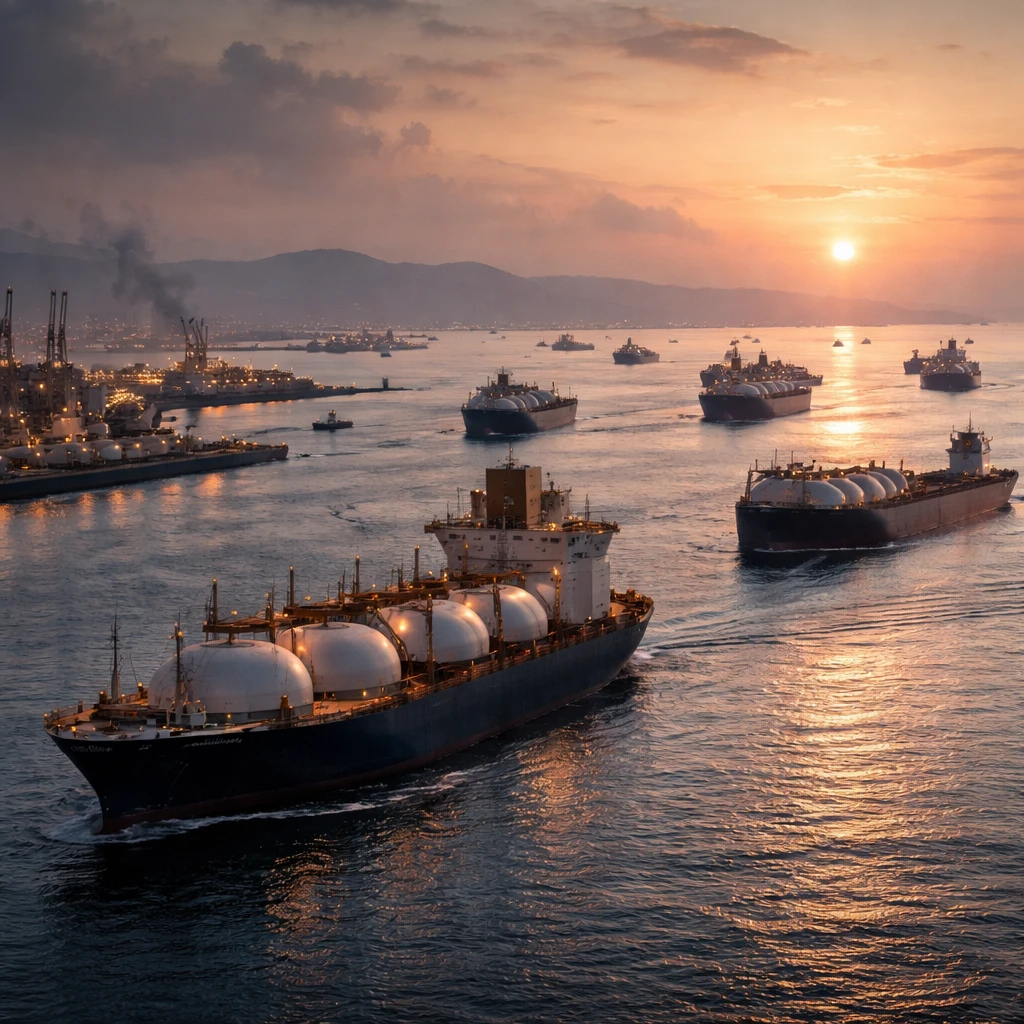
The strait serves as a critical transit route for the global nitrogen fertilizer sector, which supplies roughly 60% of total fertilizer use worldwide and is essential for staple crops such as corn and other grains. Goldman Sachs points out that more than a quarter of internationally traded nitrogen fertilizer, and about 20% of liquefied natural gas - the primary feedstock for producing nitrogen fertilizers - typically move through Hormuz. Those flows leave production and distribution networks exposed to geopolitical interruptions.
Price and supply effects observed
Since the start of the Middle East conflict referenced in the note, nitrogen fertilizer prices have risen by about 40%, reflecting both tighter physical availability and increased input costs. Goldman Sachs notes these developments are constraining supply and pushing up production costs around the world, with particular strain on markets that rely on imported LNG for fertilizer manufacture.
Downstream impact on crops and grains
Beyond higher input prices, Goldman Sachs warns the larger threat to agricultural markets may be diminished crop output. Fertilizer shortages can translate into lower yields when application is delayed or becomes suboptimal. The bank also says some farmers could respond by switching to crops that require less fertilizer, a change that would further tighten the supply of grains.
Regional differences and trade effects
Goldman Sachs expects the consequences to be uneven. The United States may be relatively insulated in the short term because of pre-season fertilizer purchases. By contrast, regions such as Europe, Australia and parts of the Southern Hemisphere could encounter more severe disruption, a dynamic that could raise demand for U.S. grain exports and put upward pressure on global prices.
Broader macro implications
The bank says the episode underscores the expanding role of commodities as a hedge against supply shocks. If multiple commodity markets become widely exposed to the conflict, that could contribute to higher inflation while exerting downward pressure on global growth.
Summary
Goldman Sachs cautions that shipping interruptions through the Strait of Hormuz threaten nitrogen fertilizer availability and costs, with cascading risks for crop yields, grain supply and global inflation.