
Global markets are entering the trading day in a cautious posture after contrasting messages from Tehran and Washington about the prospect of a ceasefire in the Gulf left investors reluctant to take large positions. A fragile sense of optimism about an end to hostilities is colliding with the stark economic reality of higher energy costs.
The situation has generated choppy moves in Asian trading, with stocks swinging between gains and losses during the session. European futures point to a lower open, though much will hinge on fast-changing developments in the Middle East.
At the center of the uncertainty is Tehran's response to a U.S. proposal. Iran said it was reviewing the offer but also signalled it had no intention of holding talks to wind down the conflict. The U.S. response has been markedly different in tone. President Donald Trump said Iran was desperate to strike a deal to end nearly four weeks of fighting.
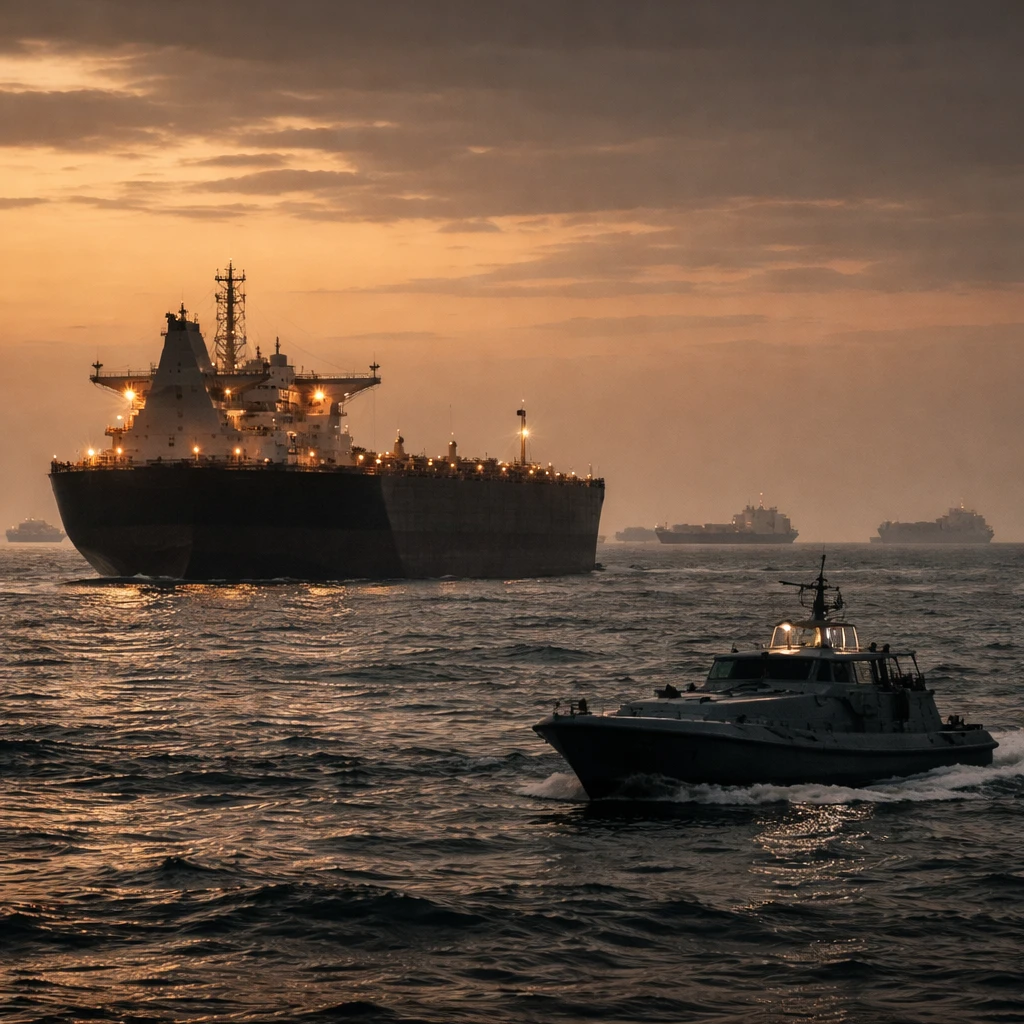
Compounding market nervousness is the effective closure of the Strait of Hormuz, a waterway that channels about a fifth of the world’s oil and liquefied natural gas. That development has prompted fuel shortages and supply disruptions in multiple countries and pushed energy costs higher.
In Asia, the effects are visible in government appeals and emergency measures. South Korean President Lee Jae Myung urged citizens on Thursday to conserve electric power. Meanwhile, the Philippines' energy market regulator announced it had suspended the country’s wholesale electricity spot market across all three of its grids.
With oil trading above $100 per barrel, the higher price level is expected to weigh on global economic activity, although the degree of impact will vary by country depending on their exposure and capacity to absorb rising fuel costs.
Investors have reacted by trimming risk across asset classes. Selling pressure has hit both equities and bonds this month, leaving the U.S. dollar as the primary refuge.
Asian markets have borne the brunt of the selloff. MSCI’s broadest index of Asia-Pacific shares outside Japan is set to drop 8.7% over the month, its steepest monthly decline since October 2022. Foreign investors have withdrawn roughly $50 billion from regional stocks since strikes by the U.S. and Israel on Iran began on February 28, events that were later followed by retaliatory attacks from Tehran and the emergence of a new front in Lebanon.
European equities are also under strain. The pan-European STOXX 600 has felt the pressure of the region’s reliance on imported oil and is down more than 7% in March, while the S&P 500 is down just over 4% for the month.
Economic and corporate events to watch later today:
- Germany - GfK Consumer Sentiment for April
- France - Consumer Confidence for March
- Earnings - Delivery Hero and Porsche
Market participants remain tightly focused on developments in the Gulf and on energy markets. Until clarity emerges on the prospect of a ceasefire and the status of shipping through the Strait of Hormuz, volatility and selective selling are likely to persist.