
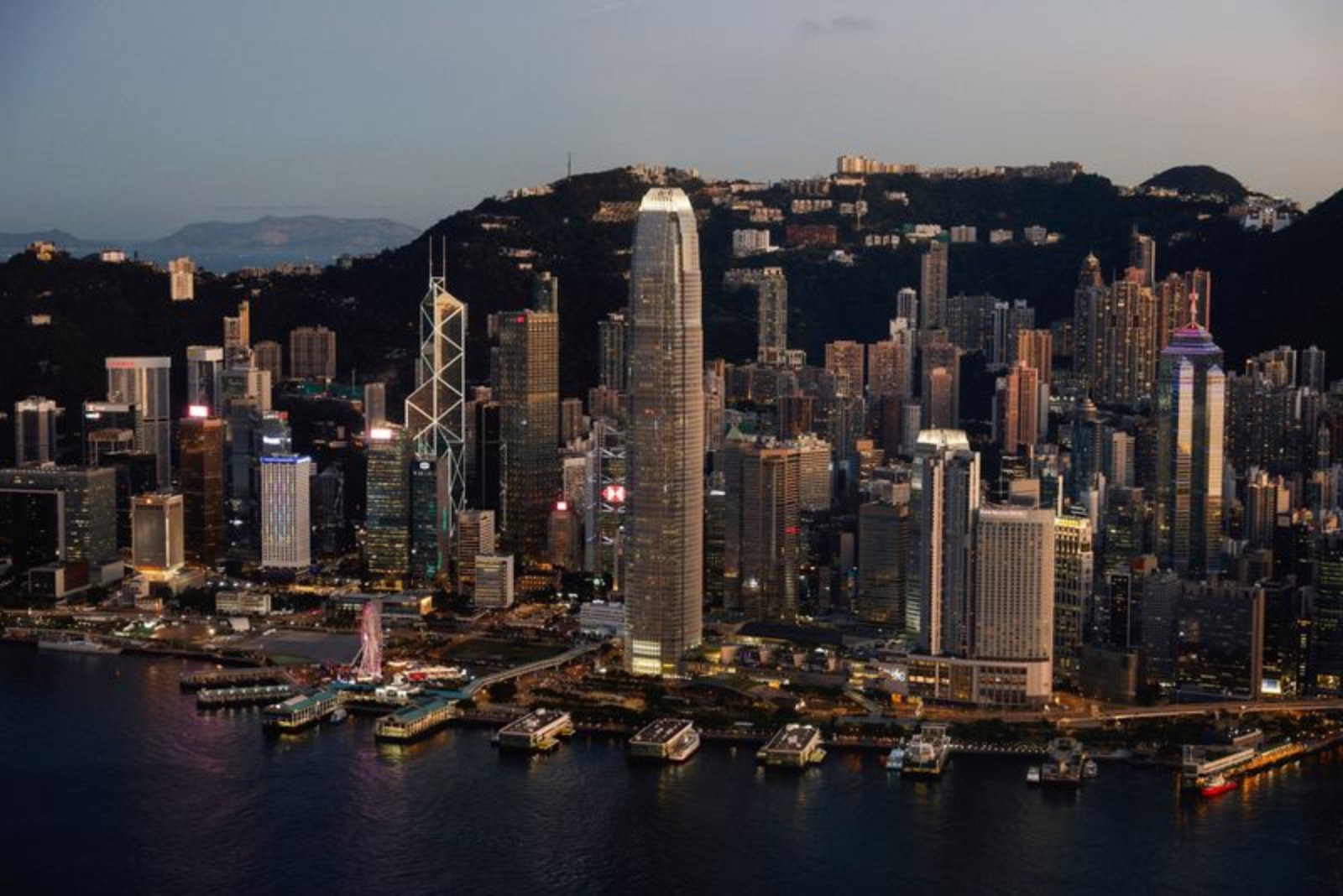
Hong Kong private home prices climbed 3.3% in 2025, recording the first yearly increase since 2021, government figures showed. The monthly trajectory also remained positive, with prices ticking up 0.2% in December compared with November, the seventh consecutive month of increases, according to data from the Rating and Valuation Department. November’s rise was revised up to 1.1%.
These moves come against a backdrop in which Hong Kong housing had previously fallen sharply. Prices remain well below their 2021 peak, having dropped nearly 30% from that high. The earlier decline reflected a mix of forces including higher mortgage rates, weaker economic prospects and a pullback in demand after strict COVID-19 policies and national security measures led to an exodus of professionals.
Policy actions since 2024 have aimed to support the property sector, a central component of the local economy. Authorities removed purchase curbs and relaxed down payment ratio requirements in efforts to revive activity. Those measures, together with lower borrowing costs, helped lift market sentiment.
On the supply side, developers have been offering new flats at discounted prices to stimulate sales. That approach has weighed on resale values and is reflected in the official price statistics, which capture movements across the market.
Monetary conditions have shifted as well. Major Hong Kong banks lowered interest rates in October, marking the fifth reduction since September 2024. Those cuts followed easing by the U.S. Federal Reserve. Hong Kong’s monetary policy tends to mirror U.S. moves because the local currency is pegged to the U.S. dollar.
Market participants are increasingly characterizing the housing market as bottoming out. Transaction volumes have steadied, providing a base of support for prices. Still, analysts note that price trends this year will hinge on several variables - the pace of future rate cuts, the intensity of Sino-U.S. trade tensions and the performance of the stock market.
Among forecasters, CBRE Hong Kong Executive Director Eddie Kwok anticipates a 3-5% rise in home prices in 2026. He points to last year’s stock market rally as creating a wealth effect that encouraged more buyers and cites strong developer interest in a recent land tender as evidence of growing optimism.
Morgan Stanley analyst Praveen Choudhary is more bullish, projecting a 10% increase in 2026. He bases this view on expected growth in investment demand and robust rental trends, supported by a continued inflow of talent and students from mainland China.
Key developments:
- Annual private home price gain of 3.3% in 2025, first since 2021.
- Monthly increase of 0.2% in December, marking seven straight months of gains; November was revised to a 1.1% rise.
- Policy easing and rate cuts have supported improving sentiment; developer discounts have pressured resale values.