
Economy March 31, 2026

Hegseth Says Regime Change Has Occurred in Iran; U.S. Signals Intensified Strikes If No Deal

U.S. Defense Secretary frames recent operations as decisive, warns Tehran of escalating military pressure absent an agreement

By Leila Farooq
Hegseth Says Regime Change Has Occurred in Iran; U.S. Signals Intensified Strikes If No Deal

U.S. Defense Secretary Pete Hegseth told reporters that regime change has occurred in Iran and that American strikes are increasing in intensity. He said U.S. firepower is growing while Iranian capabilities are declining, described the coming days as decisive in the operation, and warned that strikes will continue and intensify unless Tehran accepts a deal. Hegseth also reported reduced Iranian morale and desertions, and said U.S. forces will intercept remaining Iranian missile launches.

Key Points

  • Defense Secretary Pete Hegseth said regime change has occurred in Iran and warned of continued U.S. strikes if Tehran does not agree to a deal.
  • Hegseth reported that U.S. firepower is increasing while Iranian military capability and morale are decreasing, citing widespread desertions.
  • Sectors that could be affected given continued strikes include defense contractors, energy markets, and broader financial markets involved in geopolitical risk pricing.

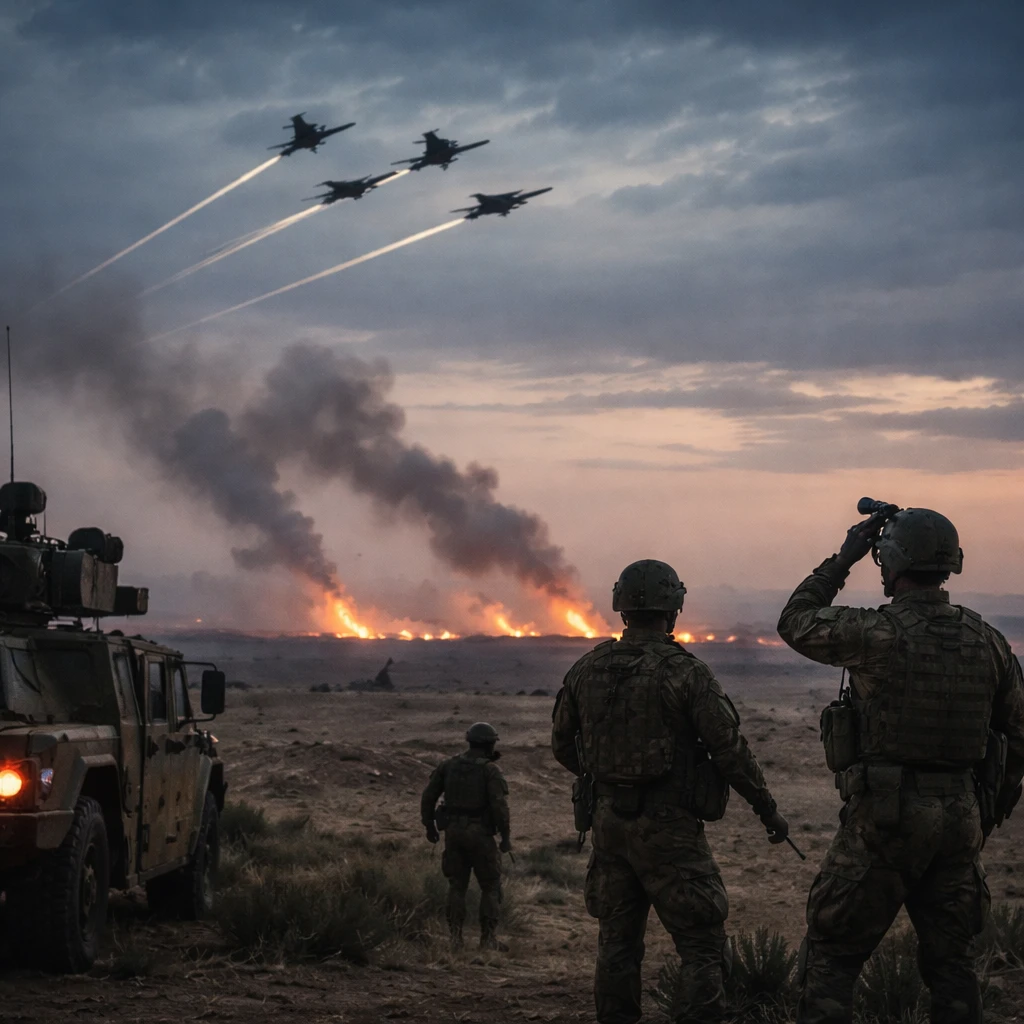
U.S. Defense Secretary Pete Hegseth told reporters on Tuesday that a regime change has taken place in Iran and that American military actions will persist, growing more intense if Tehran does not agree to a deal. Speaking after a weekend visit to troops engaged in the operation, Hegseth framed current U.S. operations as moving toward a decisive phase.

Hegseth said the balance of firepower has shifted, with American strikes increasing while Iranian military capability is falling. He characterized the near term as a pivotal window for the campaign, saying the coming days will be decisive for the military operation.

According to the Defense Secretary, ongoing U.S. strikes are having an effect on Iranian forces beyond the physical damage inflicted. He said that the attacks are damaging Iranian military morale and are producing widespread desertions within Iranian ranks. At the same time, Hegseth acknowledged that Iran will continue to launch some missile strikes.

On that point, he stated that U.S. forces are prepared to shoot down missiles that Iran continues to fire, indicating an active defensive posture alongside offensive operations. Hegseth reiterated that if Iran does not show willingness to reach a negotiated settlement, the United States will press its military campaign with greater intensity.

The comments followed Hegseth's visit to deployed troops participating in the operation over the weekend. He used his remarks to contrast what he described as increasing American firepower with a simultaneous decrease in Iranian capabilities and morale. His assessment emphasized both kinetic effects - strikes and missile interdiction - and the operational effects on Iranian forces, such as desertions.

Hegseth's public positioning links the continuation and potential escalation of U.S. strikes directly to Iran's response to negotiations. The Secretary presented a binary framing: if Tehran agrees to a deal, the trajectory of operations could change; if it does not, U.S. strikes will continue and ramp up in intensity.


Note on available information: The statements summarized here reflect comments made by the U.S. Defense Secretary as reported to reporters. No additional operational details, timelines, or outcomes beyond those remarks are included.

Risks

  • Escalation risk - Hegseth warned that military operations will intensify if Iran does not agree to a deal, creating potential for greater conflict.
  • Ongoing missile launches - The Defense Secretary acknowledged Iran will continue to fire some missiles, which U.S. forces say they will shoot down, sustaining military engagement.
  • Operational uncertainty - Widespread desertions among Iranian forces, as described by Hegseth, introduce unpredictability in Iranian military capability and the course of operations.

More from Economy

Cleveland Fed Nowcasts Show War-Driven Energy Spike Lifting Headline Inflation More Than Core Measures Apr 1, 2026 Administration Proposes Major Reduction of CFPB Staff, Cuts Two-Thirds of Workforce Apr 1, 2026 Demand for OpenAI Stakes Slows on Secondaries as Investors Pivot to Anthropic Apr 1, 2026 US Factory Activity Moderately Strengthens in March as Input Costs and Delivery Times Spike Apr 1, 2026 St. Louis Fed’s Musalem: Current Policy Rate 'Will Remain Appropriate for Some Time' Apr 1, 2026