
Summary
Gulf governments are increasingly voicing private doubts about American security guarantees as the US-Israeli conflict with Iran enters its fourth week. Officials in the region are questioning the Trump administration's strategy, commitment and objectives, and are weighing whether the presence of US bases has exposed them to greater risk, even as Iranian-linked attacks persist and key maritime routes suffer heavy disruption.
Developments on the ground
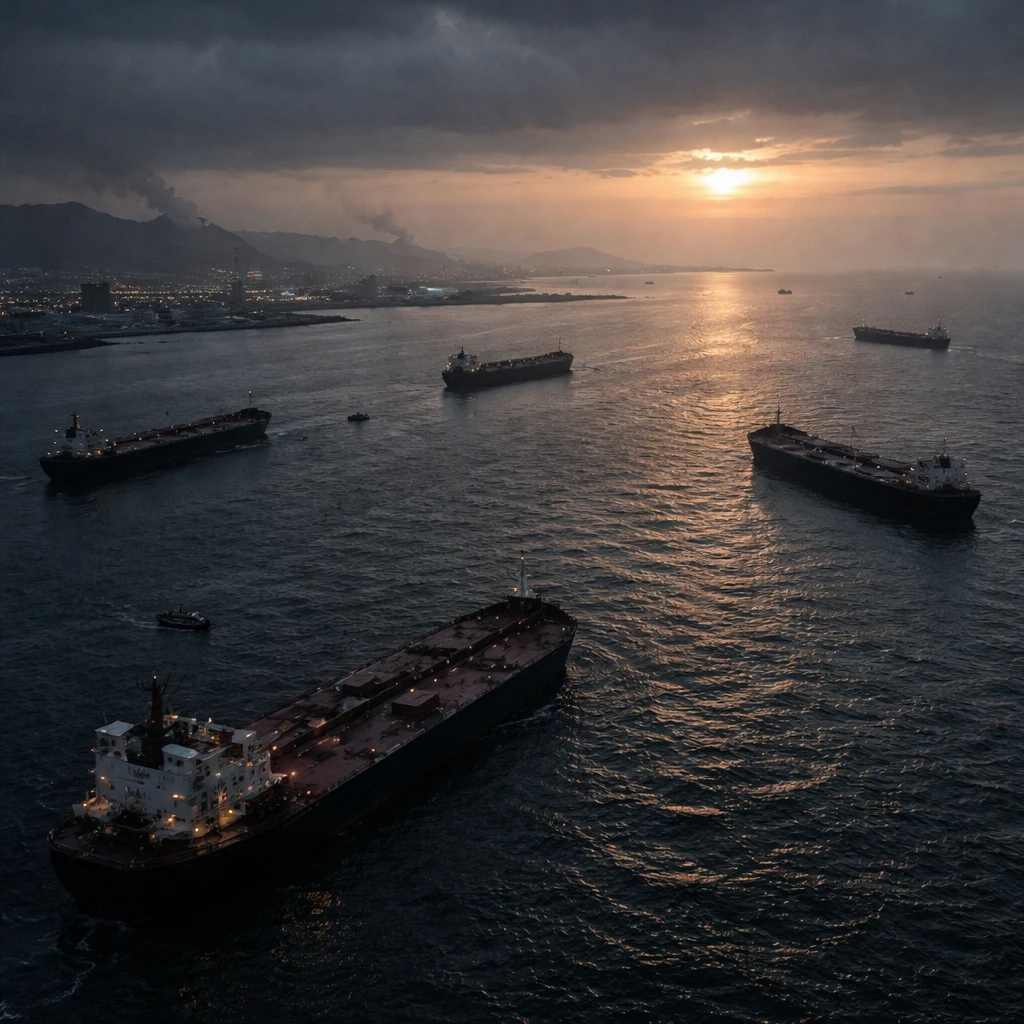
One month into the US-Israeli conflict with Iran, Gulf states continue to face attacks tied to the confrontation. Saudi Arabia reported intercepting about half a dozen drones on Friday, and two Kuwaiti ports were struck. The Strait of Hormuz - a crucial shipping channel for the region's oil exports - remains nearly closed, contributing to several billions of dollars in lost oil revenue.
Political dynamics and private concerns
Officials in Gulf capitals spent a year lobbying against the escalation of the conflict, according to people familiar with the matter. Those same officials are now privately questioning US President Donald Trump’s rationale for the campaign, his level of commitment and the stated aims of US involvement. They are also scrutinizing whether hosting American bases - which have drawn hostile attention - continues to serve their national interests, the people said, requesting anonymity to discuss sensitive matters.
Public posture versus private doubts
Despite the private questioning, Gulf representatives have not aired these criticisms publicly. Sources say that leaders are cautious about expressing dissent openly for fear of provoking the US President. At the same time, officials do not appear ready to ask the US military to leave their countries; there is little prospect of Gulf states seeking to remove American bases from the region.
Key points
- Gulf states are privately questioning US security guarantees, citing concerns about the Trump administration's strategy and objectives in the conflict.
- Ongoing attacks have included Saudi Arabia intercepting roughly six drones and strikes on two Kuwaiti ports; the Strait of Hormuz remains largely closed, inflicting billions in oil revenue losses.
- Although critical privately, Gulf officials have refrained from public criticism and are unlikely to request the removal of US military bases.
Risks and uncertainties
- Continued attacks and disruption to the Strait of Hormuz threaten sustained losses in oil revenue - a material risk for the energy sector and regional economies.
- Private erosion of confidence in US security guarantees creates diplomatic uncertainty that could affect defense and security planning for Gulf states.
- The reluctance of Gulf officials to voice concerns publicly leaves ambiguity about future political alignment and host-nation decisions regarding US military basing.
Note: This article reflects the information available in the reporting and the statements attributed to unnamed individuals familiar with the matter.