
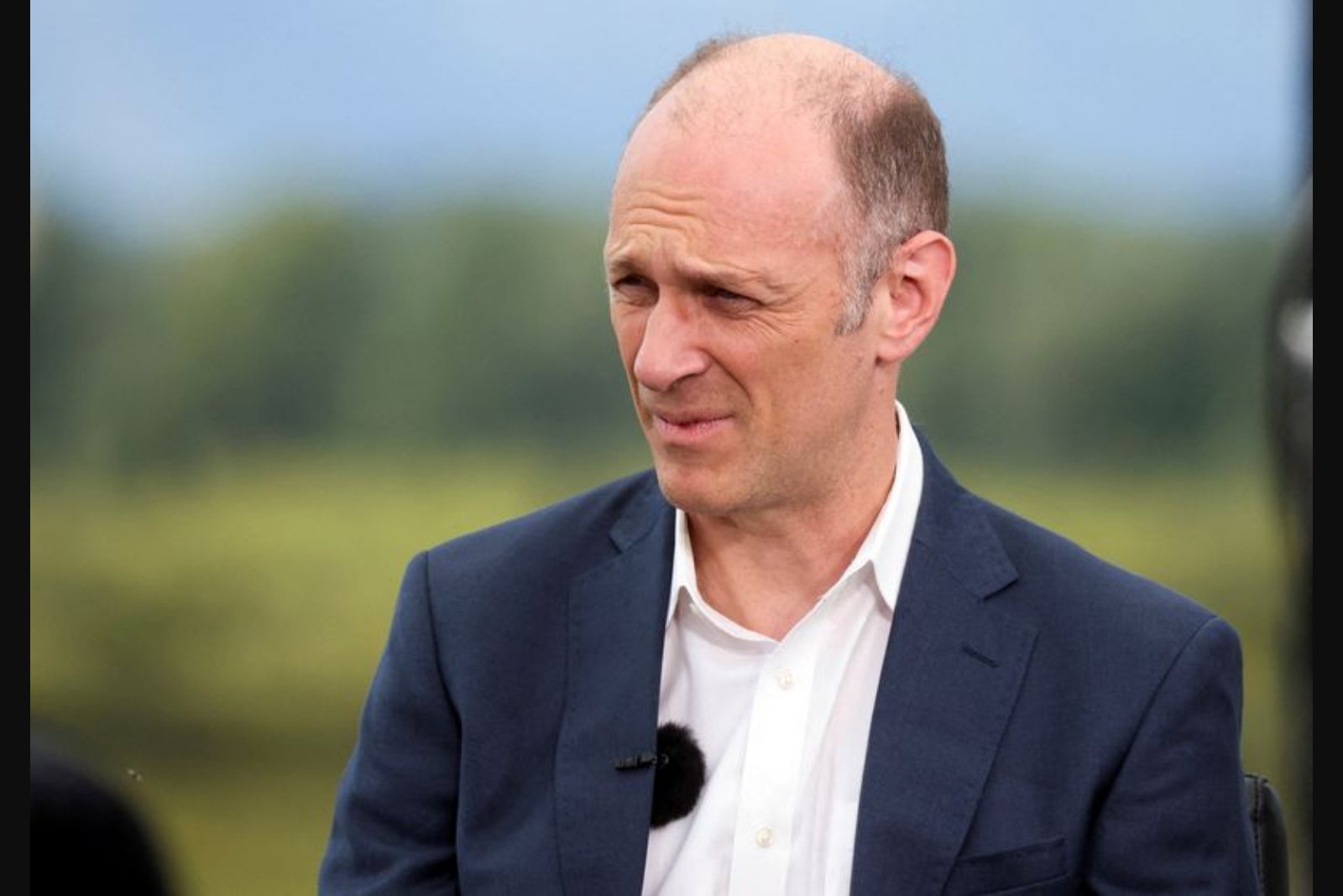
Chicago Federal Reserve Bank President Austan Goolsbee on Tuesday described the economic fallout from the Iran war as a potential stagflationary shock that could force the Fed into a difficult policy stance. Addressing the Detroit Economic Club, he said higher oil prices, which have risen since the conflict began on February 28, are interacting with lingering tariff-related price pressures that have not yet dissipated.
Goolsbee cautioned that the timing of the two inflation sources is particularly problematic. "The prices spiked from tariffs and they were supposed to go away, and this is now hitting before that went away," he said, noting that the recent surge in oil costs is occurring while tariff-driven inflation remains in the system.
He warned that the longer oil prices remain elevated, the greater the chance that inflation becomes more deeply rooted across the economy. That dynamic, he said, would push up prices while also threatening what he described as a labor market that is "stable but not great."
"You’re just in a very uncomfortable situation and there’s not an obvious cookbook of should we ... heat things up or cool things down. It’s not obvious which way to do it," Goolsbee said.
The Fed left its short-term policy rate unchanged last month in a 3.5% to 3.75% range, and officials indicated they could consider another interest-rate cut later in the year if inflation resumes progress toward the central bank’s 2% target. Policymakers are scheduled to meet again later this month.
Goolsbee laid out a scenario he characterized as the most worrisome: that high oil prices could trigger a stagflationary episode before tariff-related inflation recedes, undercutting confidence among U.S. consumers. "The possibility of a stagflationary outbreak coming from high oil prices before the tariff inflation went away, leading to the main engine of growth - the U.S. consumer - just giving up and saying we don’t have confidence, we’re going to start hoarding our money, and sending us into a stagflationary recession - that’d be the worst outcome," he said.
Reflecting on the national outlook, he summarized his stance plainly: "I’m cautious - slash nervous - about it in the moment."
In a later interview on WJR 760AM radio, Goolsbee said that the absence of clear signals makes debate among Fed policymakers potentially contentious at the policy table. He contrasted that internal uncertainty with market expectations: financial markets are pricing in the likelihood that the Fed will keep rates on hold through the end of the year.
Goolsbee’s remarks underscore the tension facing monetary policymakers when supply-driven price shocks coincide with still-elevated inflationary forces. With consumers a central engine of U.S. growth, the risk that households pull back in response to eroding purchasing power and elevated energy costs is a key concern for both inflation and growth trajectories as officials weigh future actions.