
Economy March 23, 2026

Goolsbee Signals Inflation as Dominant Near-Term Threat, Flags Gas Prices and Expectations

Chicago Fed chief says stable unemployment eases labor concerns but high fuel costs could push inflation back to the fore; rapid Iran conflict resolution could still open path to rate cuts later in the year

By Priya Menon
Goolsbee Signals Inflation as Dominant Near-Term Threat, Flags Gas Prices and Expectations

Chicago Fed President Austan Goolsbee said inflation currently represents the greater risk to the U.S. economy as unemployment holds relatively steady. He warned that rising gasoline prices risk embedding higher inflation expectations and described the current moment as intense. Goolsbee added that a swift end to the Iran conflict could still create conditions for Federal Reserve rate cuts later in the year.

Key Points

  • Chicago Fed President Austan Goolsbee said inflation is currently the greater risk, while the unemployment rate has remained fairly stable.
  • He warned that high gasoline prices risk altering consumer expectations and could exacerbate inflation pressures if they prove lasting.
  • Goolsbee said a quick resolution of the Iran conflict could still create conditions for the Fed to cut rates later this year, but current priorities favor inflation containment.

WASHINGTON, March 23 - Inflation is the more pressing threat to the U.S. economic outlook at present, according to Chicago Federal Reserve President Austan Goolsbee, even as the unemployment rate has remained fairly steady.

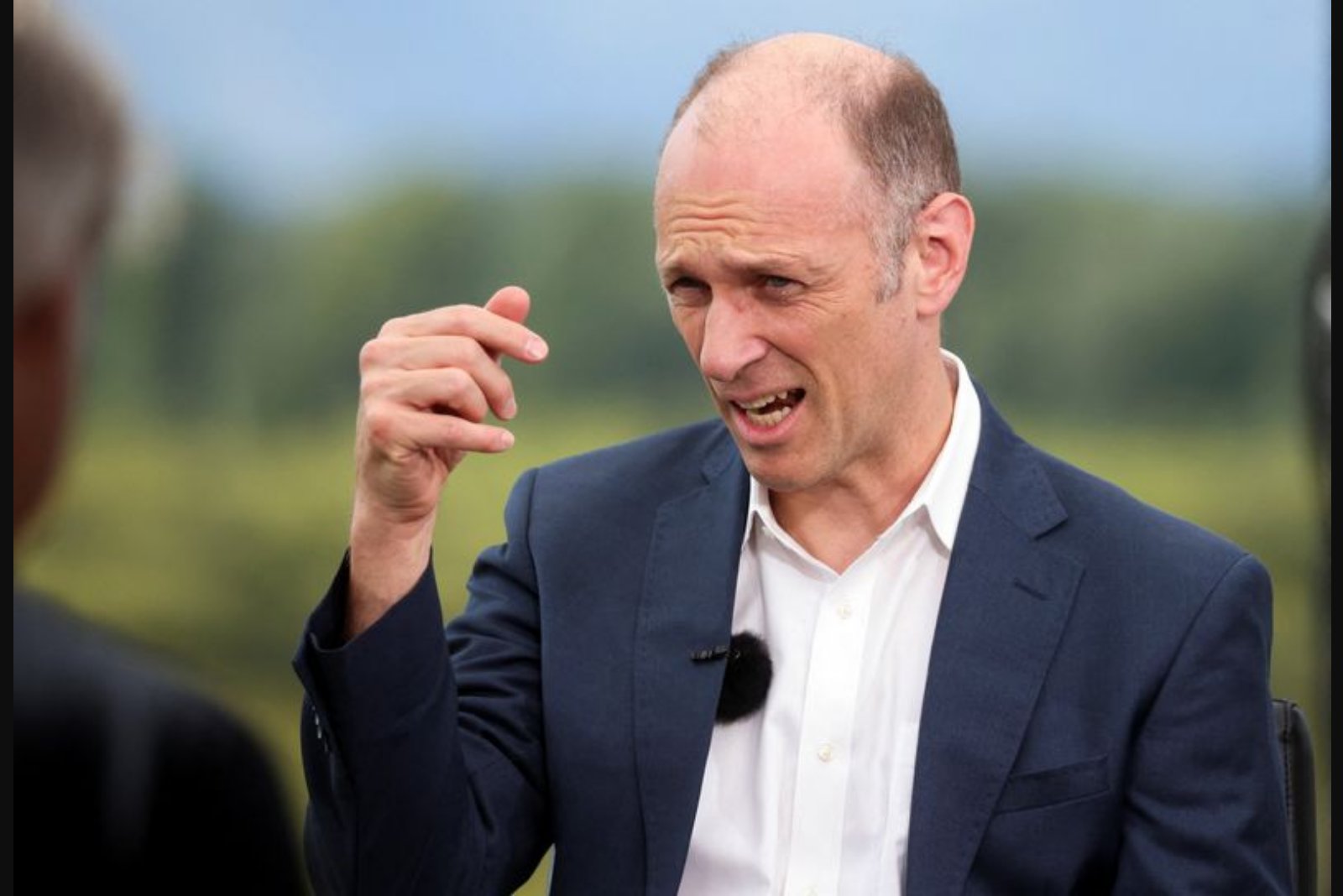
Speaking on CNBC's Squawk Box, Goolsbee said that with labor market readings not deteriorating, the Fed's focus should tilt slightly toward price stability. "At the moment I think inflation has got to be a little ahead of employment" as a Fed priority, he said.

The central banker pointed to recent strength in gasoline prices as a particular worry because of its potential influence on consumer expectations. He described the combination of a still-elevated inflation rate and an added gasoline price shock as creating an "intense moment." "To have already been at an inflation rate that was uncomfortably high...and now to add something that might be a lasting gasoline price shock, this is an intense moment and we have to hope that this does not prove to be a lasting impact on the economy," Goolsbee said.

Goolsbee also left open the possibility that monetary policy could ease later in the year if geopolitical developments change. He noted that a quick resolution to the Iran conflict could alter the outlook enough to leave the Fed positioned to cut interest rates before year-end, while stressing that the current balance of risks favors prioritizing inflation control.


Context and implications

Goolsbee's remarks emphasize the Fed's vigilance on inflation and the importance of expectations in shaping future price dynamics. With unemployment not rising materially, the central bank's policy calculus may shift toward preventing persistent inflationary pressures, particularly those that could be reinforced by higher energy costs.

The commentary signals that while easing remains possible if external shocks abate, policymakers are sensitive to the risk that temporary shocks become entrenched in consumer behavior and pricing decisions.

Risks

  • Persistently higher gasoline prices may shift consumer inflation expectations upward, potentially complicating the Fed's task of returning inflation to comfortable levels - impacts consumer spending and energy-sensitive sectors.
  • Geopolitical uncertainty tied to the Iran conflict could sustain energy price volatility, which would affect inflation and financial market expectations - impacts energy markets and interest-rate-sensitive assets.
  • If gasoline price increases become durable, the Federal Reserve may need to keep monetary policy tighter for longer, influencing borrowing costs and sectors reliant on credit.

More from Economy

Energy Secretary Signals Limited Prospect of Further SPR Releases, Sees Other Tools to Curb Prices Mar 23, 2026 Kremlin Says It Is Watching Conflicting Reports on Iran, Urges Quick Return to Peace Mar 23, 2026 Fed Governor Miran Says Too Early to Gauge Oil Shock, Reaffirms Case for Rate Cuts Mar 23, 2026 Fed Governor Miran Keeps 2026 Cut Outlook Despite Middle East Shock Mar 23, 2026 Goolsbee Says Fed Could Pivot Either Way as Middle East Conflict Weighs on Outlook Mar 23, 2026