
Economy March 23, 2026

Goolsbee Says Fed Could Pivot Either Way as Middle East Conflict Weighs on Outlook

Chicago Fed chief leaves door open to additional hikes or a return to cuts, pointing to inflation risks amid heightened oil prices

By Nina Shah
Goolsbee Says Fed Could Pivot Either Way as Middle East Conflict Weighs on Outlook

Federal Reserve Bank of Chicago President Austan Goolsbee warned that the central bank's next steps on interest rates could go in either direction depending on how the war in the Middle East influences inflation and the broader economy. He said the Fed might resume multiple rate cuts this year if inflation moderates, but also signaled the possibility of hikes should inflation accelerate.

Key Points

  • Goolsbee said the Fed could either resume multiple rate cuts this year if inflation moderates or raise rates if inflation accelerates.
  • He noted that most indicators suggest the labor market is nearer to full employment than the Fed is to its inflation target, making inflation a higher immediate priority.
  • Markets have shifted since the Fed left rates unchanged last week, with investors pricing in higher rates and futures showing greater odds of a 2026 hike; one Fed official projected a 2026 rate increase, the first such projection in two-and-a-half years.

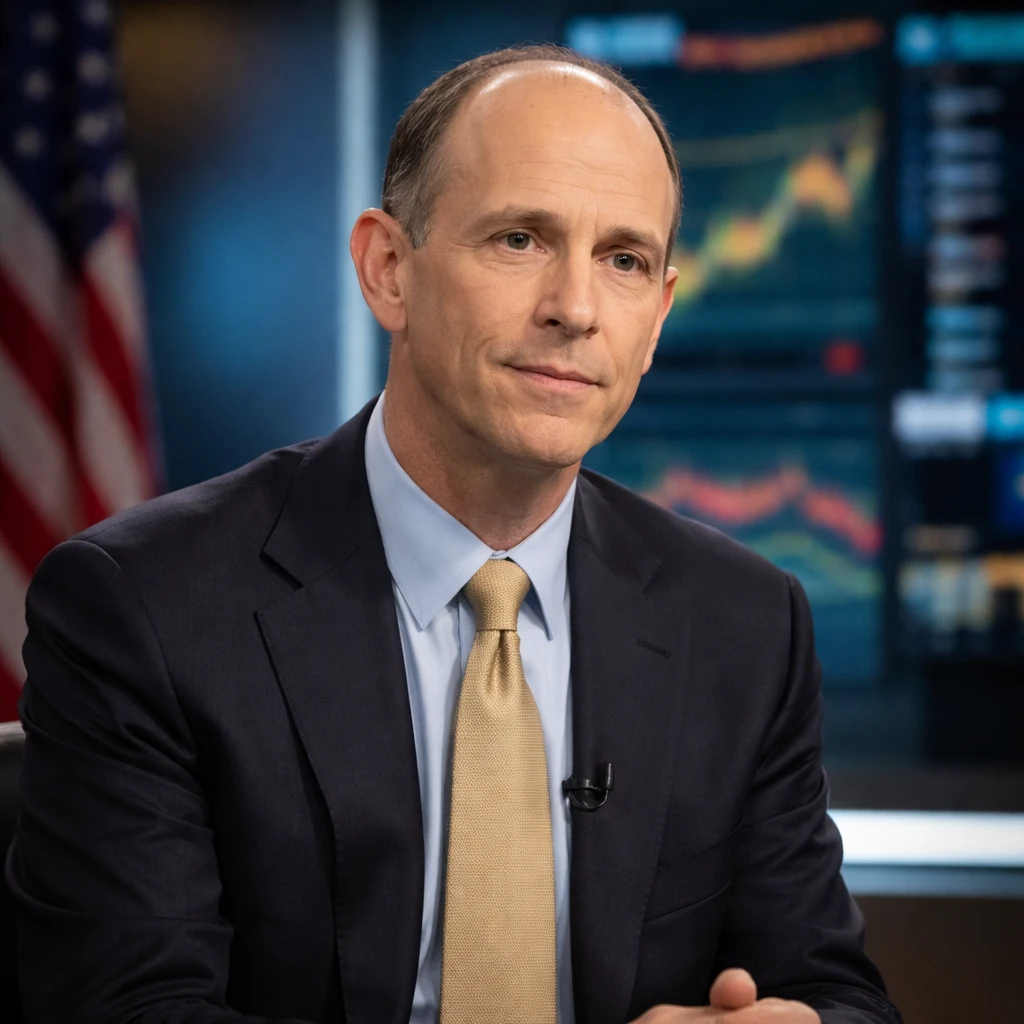
Federal Reserve Bank of Chicago President Austan Goolsbee told CNBC on Monday that the U.S. central bank's policy path remains contingent on developments stemming from the war in the Middle East. His comments made clear that the Fed could either move to lower interest rates later in the year or pivot to further tightening, depending on how the conflict affects inflation and economic activity.

"We could be back to the environment with multiple rate cuts for the year if inflation behaves," Goolsbee said in the interview. He added, "I could see circumstances where we would need to raise rates if it was going a different way, and inflation was getting out of control."

Goolsbee emphasized that, based on most economic indicators, the labor market appears closer to full employment than the Fed is to reaching its inflation target. That assessment, he said, means inflation considerations should carry greater weight in near-term policymaking.


Last week the central bank maintained the current level of interest rates while policymakers continued to signal one rate cut for the year, even as uncertainty from the Iran war persists. Since that policy meeting, markets have shifted: investors have priced in higher rates amid renewed inflation concerns, and futures markets now show better odds of a rate hike in 2026 than a cut.

In the same policy round, one Federal Reserve policymaker broke from the consensus by projecting an interest rate increase for next year rather than the widely anticipated cut. That projection was the first time in two-and-a-half years that any Fed official has penciled in a rate hike, a development that coincided with the Iran conflict and associated higher oil prices entering their third week during that period.

Despite that dissenting forecast, most Fed officials continue to expect the next policy move to be a cut this year, a stance consistent with the central bank's December outlook.


Summary takeaways and market context are straightforward from Goolsbee's remarks: policymakers remain data-dependent, and the path for rates now hinges materially on how geopolitical events influence inflation. Financial markets have already begun to price that uncertainty, altering expectations for the timing and direction of future Fed action.

Risks

  • The ongoing war in the Middle East creates uncertainty that could push inflation higher, affecting monetary policy decisions - relevant to energy markets and broader inflation-sensitive sectors.
  • A scenario in which inflation accelerates could force the Fed to raise rates rather than cut, increasing volatility in interest-rate-sensitive markets including fixed income and financials.
  • Market expectations have shifted toward higher rates since the Fed meeting, introducing the risk of tighter financial conditions and repricing across asset classes.

More from Economy

Kremlin Says It Is Watching Conflicting Reports on Iran, Urges Quick Return to Peace Mar 23, 2026 Fed Governor Miran Says Too Early to Gauge Oil Shock, Reaffirms Case for Rate Cuts Mar 23, 2026 Fed Governor Miran Keeps 2026 Cut Outlook Despite Middle East Shock Mar 23, 2026 Goolsbee Signals Inflation as Dominant Near-Term Threat, Flags Gas Prices and Expectations Mar 23, 2026 Turkey, Egypt and Pakistan Relayed Messages Between Washington and Tehran as Trump Postpones Strikes Mar 23, 2026