
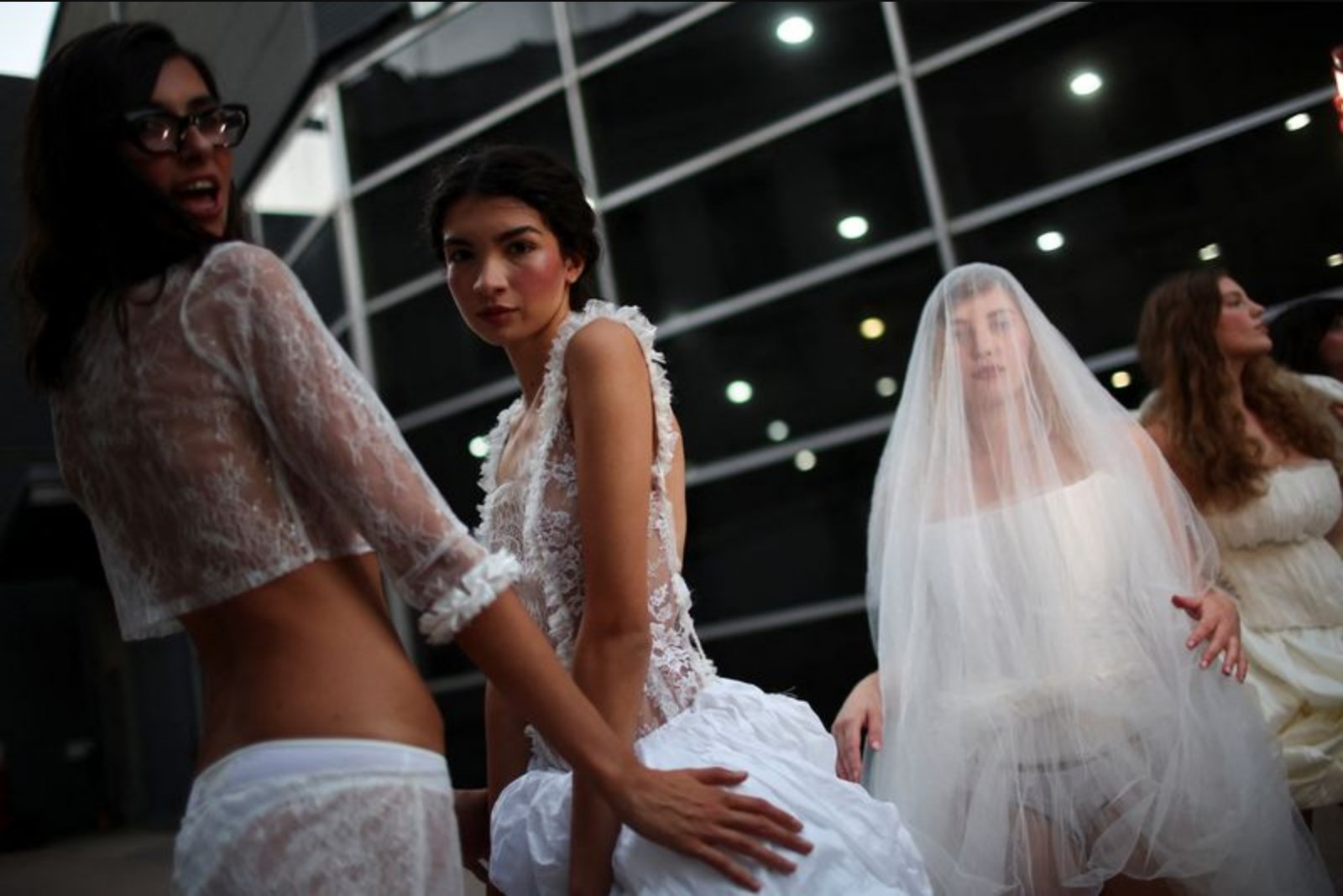
BUENOS AIRES, March 16 - Models paraded new collections at Buenos Aires Fashion Week while Argentina’s textile and clothing industry faced mounting strain offstage. The pageantry of designers, both established and emerging, contrasted with an escalating downturn in domestic garment manufacturing, driven in large part by a flood of very low-cost imports arriving through cross-border e-commerce channels.
Industry representatives and business owners trace the rapid market shift to a combination of cheaper overseas supply and recent government decisions to liberalize trade. President Javier Milei’s agenda, aimed at opening markets, increasing competition and lowering consumer prices, has accelerated the arrival of low-priced garments from foreign sellers. In policy moves last year, the government cut clothing and footwear tariffs from 35% to 20% and relaxed rules on courier shipments, raising the duty-free threshold for such deliveries to $400 in 2024.
Those measures, officials say, have contributed to dampening inflation, stabilizing prices and helping some sectors such as agriculture regain momentum. But for textile manufacturers the same policies coincided with an influx of cheaper imports that have intensified pressure on local players.
"Emotionally, the environment feels strange. People seem sadder, more stressed. It’s harder to make it to the end of the month," said bridal gown designer Valentina Schuchner as she made final adjustments to her collection ahead of the shows at BAFWEEK. Schuchner, 29, who is presenting at BAFWEEK for the fourth time, said she is fortunate to remain visible on the runway, but she noted that many local brands around her are vanishing.
"Sales are down, consumption is way down. People just don’t have the money for clothes or luxuries," she added.
A spokesman for the trade ministry declined to comment.
Fast fashion and changing import dynamics
Fundacion Pro Tejer, an industry group that represents clothing manufacturers, said door-to-door imports shipped directly to consumers almost quadrupled last year. China has been the dominant beneficiary of that trend: its share of Argentine textile and clothing imports rose from roughly 55% in 2022 to 70% in 2025, the group’s director, Priscila Makari, said, pointing to the rapid expansion of platforms such as Shein and Temu.
The appeal of those platforms is evident among shoppers who previously faced limited options and higher prices, particularly outside major cities. Young consumers like 24-year-old Sarah Alcaje said she shifted from cross-border shopping trips to mobile purchases. She described the convenience of ordering everything from shoes to clothing with a few taps and praised the low prices and fast delivery offered by the online retailers.
For domestic manufacturers, the outcome has been severe. Industry data published in February shows Argentina’s textile sector cut 16% of its workforce since 2023, shrinking from about 121,000 employees to roughly 102,000 by the end of last year.
Factories underused, investments idle
At the family-run Amesud textile plant in the industrial district of San Martin outside Buenos Aires, the impact is visible on the shop floor. Chief executive David Kim said the factory is operating at just 30% of capacity. Over the past decade Amesud invested $10 million in imported machinery to meet demand from clients that included Nike, Puma and the local children’s brand Mimo & Co. Much of that equipment now stands idle.
"This is the worst crisis in our history," Kim said from the factory, where many machines were switched off on a weekday afternoon.
Kim stressed that the firm can compete on productivity and quality, but contended it is being squeezed by costs that are not comparable to those faced by suppliers in other countries. As orders collapsed, Amesud reduced staff from about 420 workers to approximately 240 and cut production days from five days a week to four.
"We’re afraid that at some point we won’t even be able to cover our costs," Kim said. "We’re afraid that many companies in our sector will disappear. We hope it won’t be us."
Fundacion Pro Tejer said the timing of Milei’s policy changes has made competition harder for domestic producers at a moment when the sector was already reeling from sharply lower consumer spending.
"Everyone, from small entrepreneurs to major designers, is going through an extremely difficult situation," Makari said. "Argentina has huge potential, a long history, highly skilled designers, workers, strong family traditions. It’s heartbreaking to see jobs lost and companies closing."
Consumer choice and industry fallout
The growth of low-cost international platforms has delivered broader choice and lower prices for many consumers. That shift in purchasing patterns is especially visible among younger buyers and those living outside the largest urban centers, who previously faced fewer options and higher local prices. For these shoppers, the convenience and low price points of Shein and Temu have been decisive.
But for manufacturers, designers and workers tied to the domestic garment supply chain, the change has translated into lower order volumes, reduced factory utilization and a shrinking workforce. Industry officials and company executives describe a marketplace where cross-border offers and reduced trade barriers have altered the economics of producing locally.
As Argentina’s runway events continue to celebrate design and creativity, the production base that supports the fashion ecosystem is experiencing deep distress. With substantial investment now underutilized, significant workforce reductions recorded and market share shifting toward imports, the sector faces a test of resilience as policy changes and consumer behavior reshape demand.