
Overview
Foreign ministers from the Group of Seven nations issued a coordinated declaration on Saturday that affirms a willingness to take "necessary measures" to stabilize global energy markets and protect supply routes. The statement, delivered by diplomats representing the United States, the United Kingdom, France, Germany, Italy, Canada, and Japan, placed particular emphasis on safeguarding key maritime corridors used for oil and liquefied natural gas shipments.
Strategic focus on choke points
The ministers underscored the strategic importance of the Strait of Hormuz, describing it as a crucial maritime chokepoint responsible for transporting 20% of the world's oil and liquefied natural gas. With conditions in that corridor increasingly unstable, the coalition framed its declaration as a measure to insulate supply chains from regional volatility and to reassure markets that transit routes will be defended.
Condemnation of attacks
The G7 communique delivered a forceful denunciation of what it labeled "reckless attacks" aimed at civilian and energy infrastructure. The ministers attributed those attacks to the Islamic Republic of Iran and its regional proxies, and said they condemn such actions in the strongest terms. That language signals a collective inclination toward a more assertive posture in defense of global energy security.
Market and maritime implications
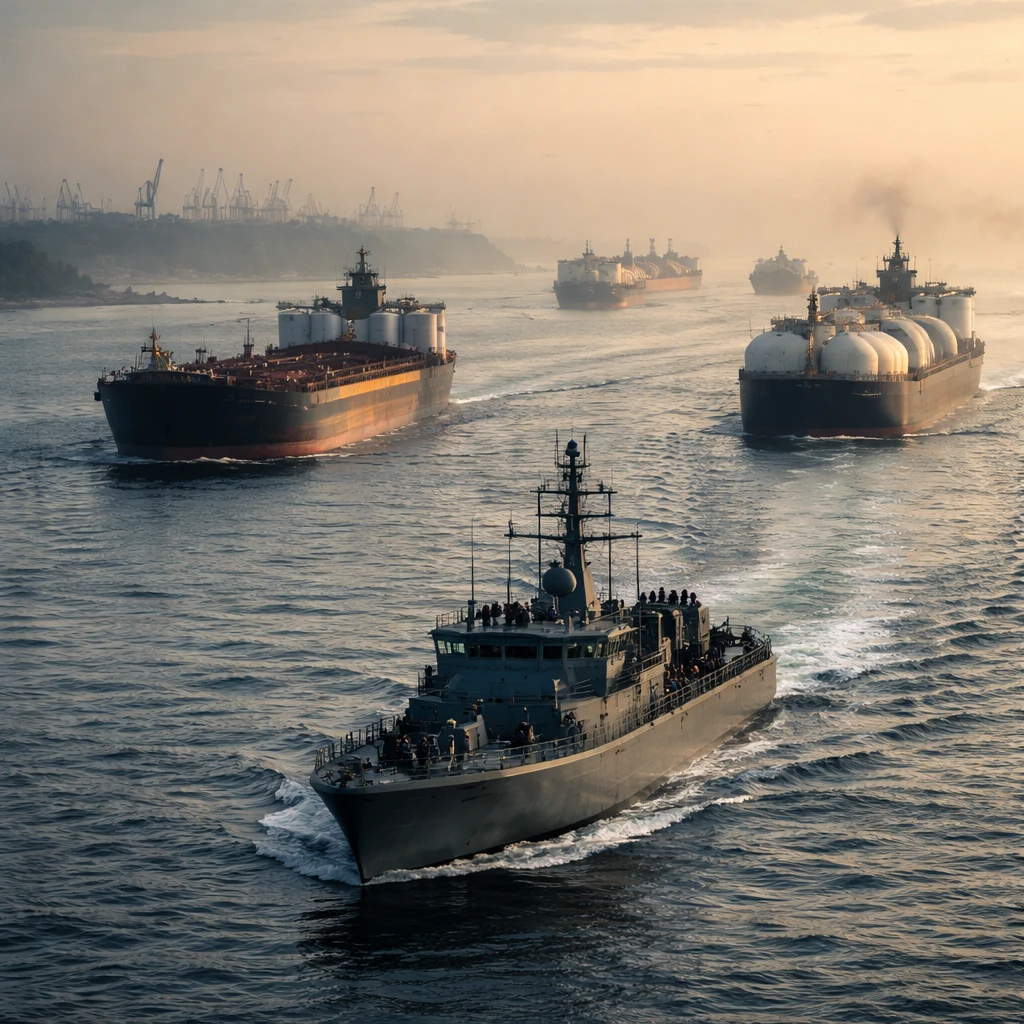
Diplomats said the alignment intends to provide a dependable buffer for energy markets that have shown sensitivity after targeted strikes on processing facilities and transit vessels. The document highlighted maritime security as a priority intended to prevent the weaponization of international shipping lanes. Officials and market participants are watching closely for signs that the coalition may increase naval presence to protect commercial transit.
Importance for global flows
The ministers framed the collective security approach as essential to maintaining the flow of Middle Eastern exports to global hubs. That objective was tied to a concern that Western energy demand remains reactive to geopolitical developments, making uninterrupted transit routes critical for market stability.
Note: The declaration reflects the content and positions set out by the G7 foreign ministers; it does not provide details on specific operational steps or timelines for implementation.