
Fulton County officials will urge a federal judge on Friday to mandate the return of original 2020 election ballots and related material that FBI agents removed from the county's election facility during a January 28 search. The hearing in Atlanta federal court is expected to examine the factual basis for the agents' decision to seize more than 600 boxes of election records from the Union City election center.
Lawyers representing Fulton County - which encompasses most of Atlanta - told the court the search demonstrated a "callous disregard" for the county's constitutional rights and was grounded in allegations they say have already been discredited. In a recent filing, county counsel wrote that, "Despite years of investigations of the 2020 election," the FBI had not "identified facts that establish probable cause that anyone committed a crime."
U.S. District Judge J.P. Boulee has agreed to hear evidence related to the search but declined the county's request to require the FBI agent who drafted the affidavit in support of the search warrant to testify at the hearing. Prosecutors from the Justice Department have pushed back, asserting that Fulton County officials are attempting to interfere with an ongoing investigation and that the county should not be permitted to overturn a magistrate judge's prior determination that the search met legal standards.
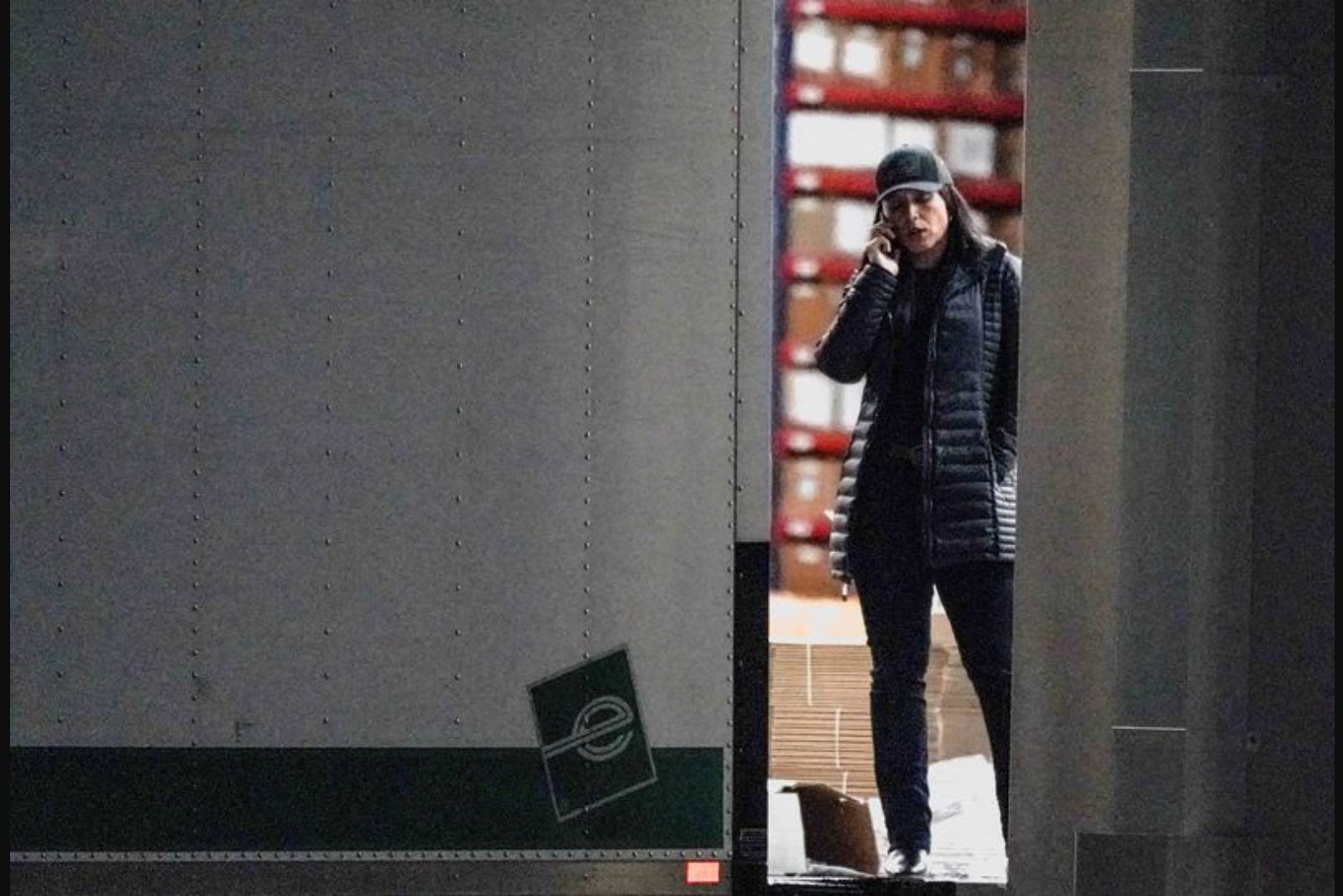
The search of the Union City election center - which court filings say was attended by Director of National Intelligence Tulsi Gabbard - resulted in the seizure of a substantial volume of material connected to the 2020 vote, including original 2020 ballots. Agents said they found alleged "deficiencies or defects" in aspects of the county's handling of the election, such as missing digital images of some ballots and absentee ballots that did not appear to have been folded in the manner required by procedures referenced in the matter.
Federal prosecutors said their inquiry began after receiving a referral from Kurt Olsen, a lawyer who assisted efforts to overturn the 2020 presidential election and who has since been assigned by the White House to re-examine the vote. In court papers, prosecutors have cited potential violations of a records retention statute and a criminal statute addressing attempts to deprive or defraud residents of a fair election.
Fulton County's filings challenge the credibility of certain witnesses interviewed by the FBI, including Republican members of the Georgia State Election Board. County attorneys argued that some of the statements appear to reflect innocent mistakes while others reveal misunderstandings about election administration.
The county has been a focal point for allegations and conspiracy narratives promoted by supporters of former President Donald Trump after the 2020 election. The filings reiterate that Trump has continued to assert - without proving widespread fraud - that his 2020 defeat to Democrat Joe Biden was the result of large-scale voter fraud, claims that have seeded doubts about election security ahead of subsequent contests.
Fulton County, a Democratic stronghold whose wide margin for Biden in 2020 played a central role in flipping Georgia for that election, remains at the center of the dispute. The state subsequently returned to Republican support in the 2024 presidential contest.
What to expect at the hearing
The court proceeding will focus on the record and testimony the government relied on to obtain the search warrant and to justify the seizure of materials. While Judge Boulee permitted evidence to be presented regarding the search itself, his refusal to compel testimony from the agent who penned the affidavit limits the county's ability to probe the precise assertions that led to the warrant.
Broader legal posture
The Justice Department maintains that its actions are part of a lawful investigation into potential criminal violations identified through a referral process. Fulton County lawyers counter that the same underlying allegations have been investigated over several years without producing evidence establishing criminal conduct, and that seizing original ballots and voluminous election records implicates constitutional protections.
Note: This article presents the facts and arguments as set out in court filings and statements by the parties. It does not add or infer information beyond those filings.