
Economy January 27, 2026

French government weathers two no-confidence votes over 2026 spending push

Executively approved expenditure segment moves to Senate as Paris braces for fresh political tests over a deficit above EU limits

By Maya Rios
French government weathers two no-confidence votes over 2026 spending push

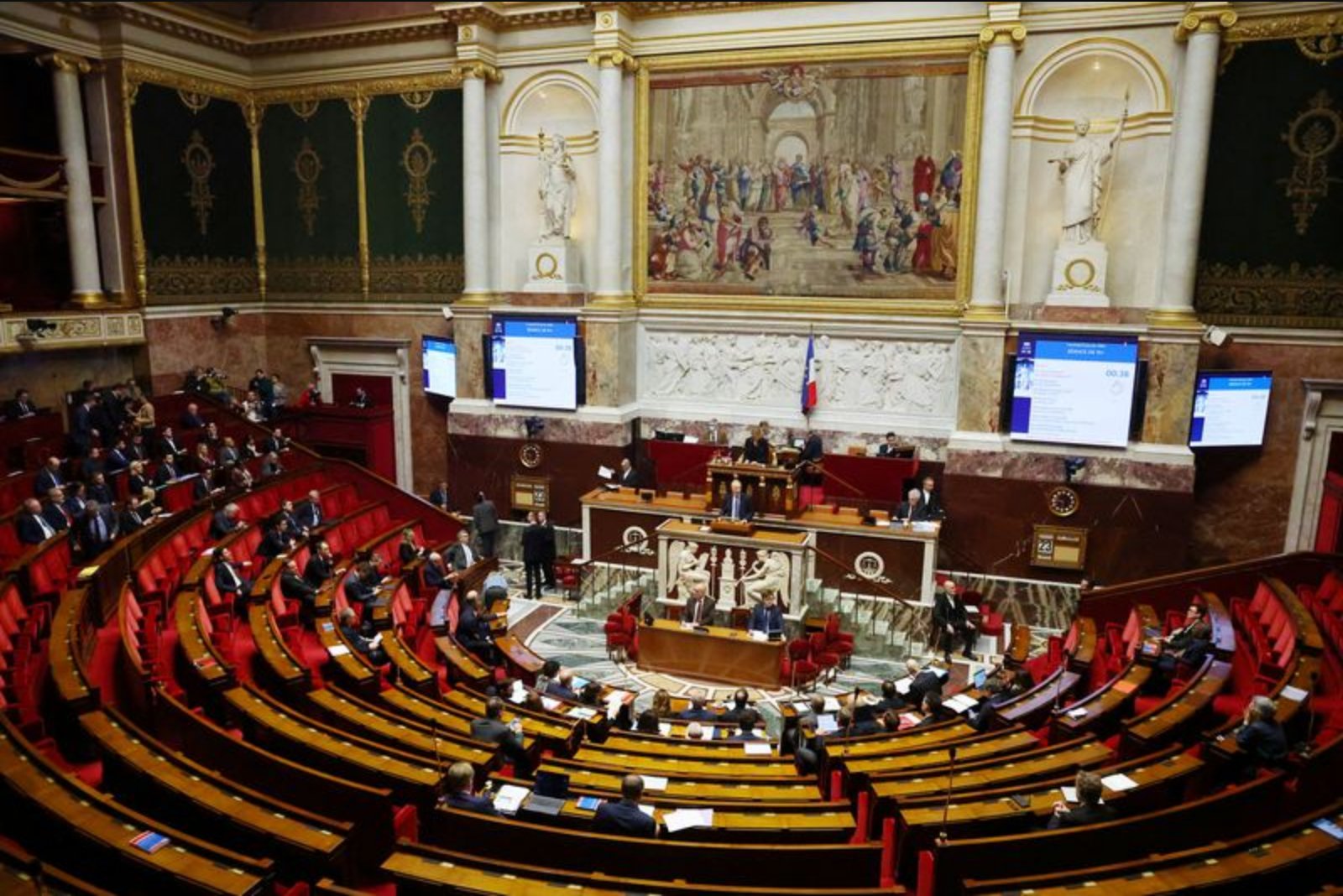
France's government avoided being toppled after two no-confidence motions in the National Assembly failed to secure enough votes following its decision to force through the expenditure portion of the 2026 budget without granting the lower house a final vote. The full budget now proceeds to the Senate before returning to the Assembly, where the government is expected to again use constitutional powers to push the measure through, likely provoking further parliamentary challenges.

Key Points

  • The government survived two no-confidence votes after pushing the expenditure part of the 2026 budget through the lower house without granting that chamber the final say - Sectors impacted: public finances, sovereign bond markets.
  • The full 2026 budget will proceed to the Senate and must return to the National Assembly; Prime Minister Sebastien Lecornu is expected to invoke article 49.3 again to force adoption - Sectors impacted: broader economy, fiscal policy-sensitive industries.
  • The government projects the 2026 deficit will not exceed 5% of GDP, an improvement from 5.4% in 2025 but still above the EU's 3% cap; definitive adoption is expected in the first half of February - Sectors impacted: government borrowing and fiscal planning.

France's executive survived two separate motions of no confidence in the National Assembly on Tuesday after pressing ahead with the expenditure section of the 2026 budget without allowing the lower house the final determination.

The first no-confidence motion, tabled by the hard-left France Unbowed in coalition with the Greens and Communists, received 267 votes in favour, short of the 289 votes required to remove the government. A second motion, initiated by the far right, attracted 140 supporters.

Lawmakers had already rejected two no-confidence motions last week that targeted the spending element of the budget bill. With the expenditure chapter now approved at the lower house stage, the complete 2026 budget will move to the Senate, the upper chamber. After Senate consideration, the legislation must return to the lower house for final steps.

Prime Minister Sebastien Lecornu is expected to invoke article 49.3 of the Constitution again to impose adoption of the full 2026 budget, a step that the government acknowledges will probably prompt additional no-confidence votes. Officials say they are resorting to this constitutional mechanism because months of negotiations failed to yield a deficit-curbing finance bill that could gain approval in a lower house where no single party commands a working majority.

Lecornu has stated that the budget deficit will not exceed 5% of national output. That figure represents an improvement from the 5.4% shortfall recorded in 2025 but remains well above the European Union's 3% deficit ceiling. The government has said it expects the entire budget to be definitively adopted during the first half of February.

The sequence of parliamentary votes and anticipated recourse to article 49.3 underline the political hurdles in advancing the 2026 fiscal package through France's divided legislature. While the expenditure section has cleared one procedural hurdle, the broader budget's path still includes the Senate review and an inevitable return to the lower chamber, where further confrontations are probable.


Timeline

  • Expenditure portion pushed through the National Assembly without a final Assembly vote.
  • Two no-confidence motions on Tuesday failed to reach the threshold to bring down the government.
  • Full budget now goes to the Senate, then back to the National Assembly; article 49.3 expected to be used again.

Risks

  • Additional no-confidence votes are likely if article 49.3 is used again, creating ongoing political uncertainty that could affect markets and investor sentiment - Sectors affected: sovereign debt and financial markets.
  • The projected 2026 deficit of up to 5% of GDP remains above the EU's 3% threshold, posing fiscal credibility questions until the budget is definitively adopted - Sectors affected: public finance and credit-sensitive sectors.
  • Months of failed negotiations and the absence of a working majority in the lower house leave the budget's passage dependent on constitutional maneuvers, increasing the risk of further legislative instability - Sectors affected: policy-dependent industries and long-term planning.

More from Economy

U.S. and India Reach Trade Agreement; U.S. Tariffs Cut to 18% Feb 2, 2026 House Prepares Vote to End Brief Partial Shutdown, Final Ballot Expected Tuesday Feb 2, 2026 France’s 2026 Budget Clears Parliament After Concessions, Targets 5% Deficit Feb 2, 2026 Cboe Holds Early Talks to Bring Binary Options Back to Retail Traders Feb 2, 2026 Administration to Build $12 Billion Critical Minerals Reserve to Shield U.S. Manufacturing Feb 2, 2026