
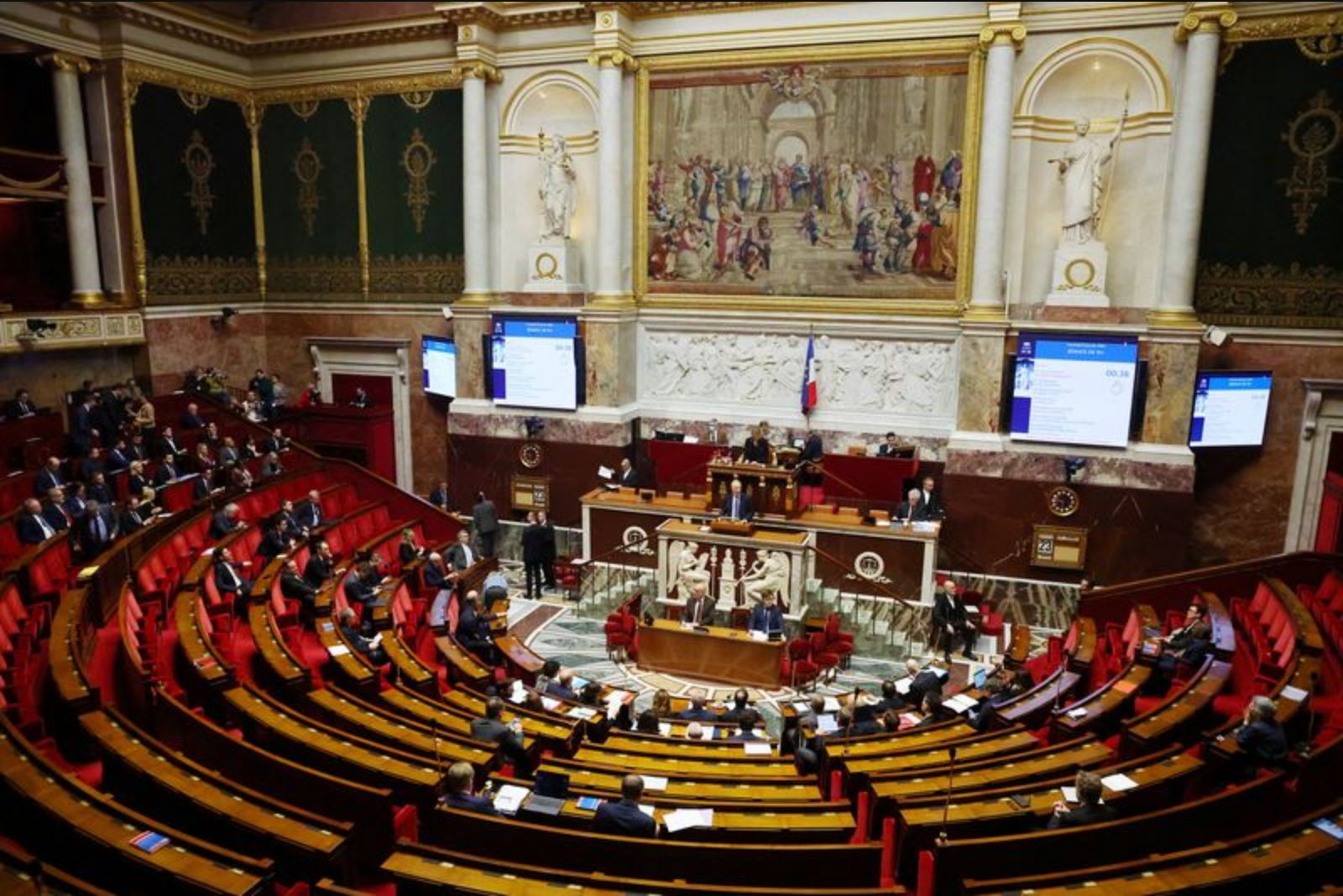
France is poised to conclude months of fiscal negotiations with parliamentary approval of its 2026 budget after no-confidence motions against the government are expected to fail. The budgetary blueprint targets a reduction in the public deficit to 5% of gross domestic product in 2026, down from an estimated 5.4% in the previous year. That figure reflects a retreat from an initial government objective of 4.7% following concessions made to the Socialists.
Main tax measures in the package concentrate on large firms, wealthy holders of non-operational assets and high earners. A surtax on companies with annual revenues exceeding 1 billion euros will be extended and is projected to generate 7.3 billion euros. In addition, a 20% levy will apply to assets held in holding companies that are not used for business purposes - examples cited include racehorses, yachts and private jets - with expected receipts of 100 million euros.
The budget also extends a temporary tax on top incomes, a measure that will affect 20,000 taxpayers and is forecast to raise 650 million euros. Income tax brackets will be adjusted upward in line with inflation; by contrast, the government’s original draft would have frozen those brackets and thereby sought to increase receipts by another 1.9 billion euros.
On trade-related measures, the plan introduces a 2-euro levy on small parcels, aimed at imports from China, which is estimated to bring in 400 million euros.
On the spending side, the government says it will implement 9 billion euros of cuts in 2026. Those reductions will touch every ministry apart from interior, justice and defence. The announced savings represent almost half of the 17 billion euros in cuts that the government initially targeted.
Public expenditure is expected to decline only marginally, to 56.6% of economic output from 56.8% in the prior year, and will remain at a level among the highest internationally. Separately, the defence budget will be increased by 6.5 billion euros as part of a multi-year military build-up.
All monetary figures in the budget are presented in euros. The exchange reference included in budget documents notes that one US dollar equates to 0.8435 euros.
Key points
- Deficit target - The 2026 budget aims to cut the fiscal deficit to 5% of GDP from an estimated 5.4% last year after concessions to the Socialists reduced the original ambition of 4.7%.
- Tax measures - The package extends a surtax on very large companies, imposes a 20% levy on certain holding company assets, extends a temporary top-income tax and introduces a 2-euro small-parcel levy targeting Chinese imports.
- Spending trade-offs - Planned spending cuts total 9 billion euros in 2026, while defence spending is increased by 6.5 billion euros; public spending remains high at 56.6% of GDP.
Risks and uncertainties
- Political compromise - The downward revision of the deficit target reflects concessions to the Socialists, indicating political bargaining shaped the final measures and leaving room for future negotiation risk in fiscal policy. This affects public-sector budgets and political stability around fiscal consolidation.
- Limited spending reductions - The enacted 9 billion euros of cuts amount to roughly half of initial savings ambitions, which may challenge achievement of the deficit target and affect markets sensitive to sovereign fiscal trajectories.
- High public spending level - With public spending projected to remain at 56.6% of GDP, pressure on public finances could continue to influence investor perceptions and sectors exposed to government demand.