
Economy March 27, 2026

France and Britain Advance Plans to Escort Ships Through Strait of Hormuz

European defense officials report detailed planning to deploy frigates and air-defence-equipped warships to secure passage once current hostilities end

By Derek Hwang
France and Britain Advance Plans to Escort Ships Through Strait of Hormuz

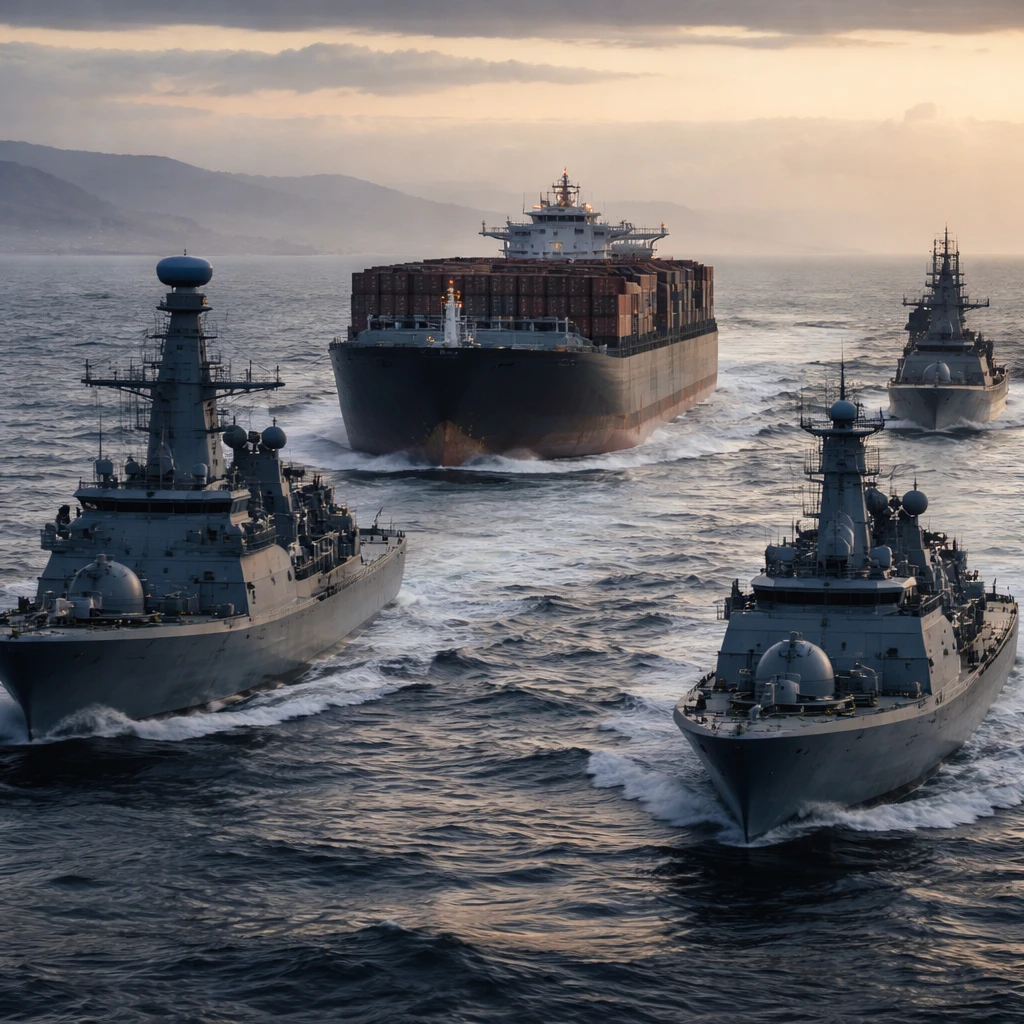
Two senior European officials briefed on planning say France and Britain are taking the lead in preparing to send warships to escort commercial vessels through the Strait of Hormuz. The proposed deployments would include frigates armed with air-defence systems to counter drones and missiles, and are intended to reassure shipping companies and insurers about safe passage after the current war concludes.

Key Points

  • France and Britain are taking the lead in detailed planning to deploy warships to escort vessels through the Strait of Hormuz.
  • Planned deployments would use frigates equipped with air-defence systems capable of shooting down drones and missiles to protect tankers and merchant ships.
  • The actions aim to reassure shipping companies and insurers and demonstrate European naval capability once the current war ends - sectors impacted include shipping, insurance, and energy (oil and gas).

European defense leaders are engaged in advanced planning to deploy warships that would escort merchant vessels through the Strait of Hormuz, according to two senior European officials briefed on the discussions. The officials say the talks are more developed than has been publicly disclosed and that France and Britain are leading the planning effort.

The officials described proposals that would station frigates to shepherd oil tankers and other commercial ships through the narrow shipping lane off Iran's coast. These warships would be fitted with air-defence batteries intended to shoot down Iranian drones and missiles if their use becomes necessary.

Part of the planning includes a deliberate show of force by European naval units, intended to demonstrate military capability and to provide reassurance to shipping companies and insurers about the security of transits through the Gulf and the Strait of Hormuz.

Officials said the work is being done with an eye toward securing waters once the current war ends, even as criticism has been voiced from the United States toward European countries for not joining the conflict. The discussions reflect an effort among European defense leaders to prepare for post-conflict maritime security operations.

The urgency of the planning is underscored by threats that have effectively closed the Strait of Hormuz to normal navigation - the strategic corridor that serves as the gateway to the Persian Gulf and through which roughly one-fifth of global oil and natural gas shipments pass. European leaders have publicly stated a willingness to protect shipping after the war concludes, and the officials say internal planning is more advanced than previously reported in public statements.

Those involved in the discussions emphasized the dual goals of deterrence and assurance - deterring attacks through a visible naval presence and assuring commercial stakeholders that transit risks can be managed. The proposed escorts would combine protective screening of individual vessels with public demonstrations of naval readiness to reduce uncertainty for maritime operators.


Note: Reporting was based on accounts from two senior European officials briefed on the planning. Details remain subject to confirmation as planning continues.

Risks

  • The Strait of Hormuz has been effectively closed by Iranian attack threats, creating immediate disruption to shipping and energy flows - this impacts global oil and gas shipments.
  • The timetable for deploying escorts is contingent on the current war ending; uncertainty about the conflict's duration leaves planning and assurance efforts unresolved - this affects maritime and insurance sectors.
  • Operational plans remain sensitive and partly confidential; the advanced planning reported by officials may still face political or logistical constraints before actual implementation - this could influence naval and commercial shipping operations.

More from Economy

Dow Falls 1.7% as War with Iran Deepens Market Correction Mar 27, 2026 Blue Owl and HPS Funds See Sharp February Reversals, Worst Monthly Drops Since 2022 Mar 27, 2026 Gulf governments privately question US security assurances as Iran conflict continues Mar 27, 2026 DHS launches emergency payments for 50,000 unpaid TSA officers after staffing shortages spark multi-hour security lines Mar 27, 2026 Trump Directs DHS to Tap Available Funds to Compensate TSA Staff Amid Ongoing Shutdown Mar 27, 2026