
Foreign investors returned to Japanese equities in the week ending April 4, injecting a net 2.96 trillion yen ($18.65 billion) into domestic shares after three consecutive weeks of net selling, according to Ministry of Finance data released on Thursday.
The inward flow offset nearly two-thirds of the 4.45 trillion yen that foreign investors withdrew the previous week and followed significant net sales in March, when foreigners shed close to 7.37 trillion yen of Japanese equities.
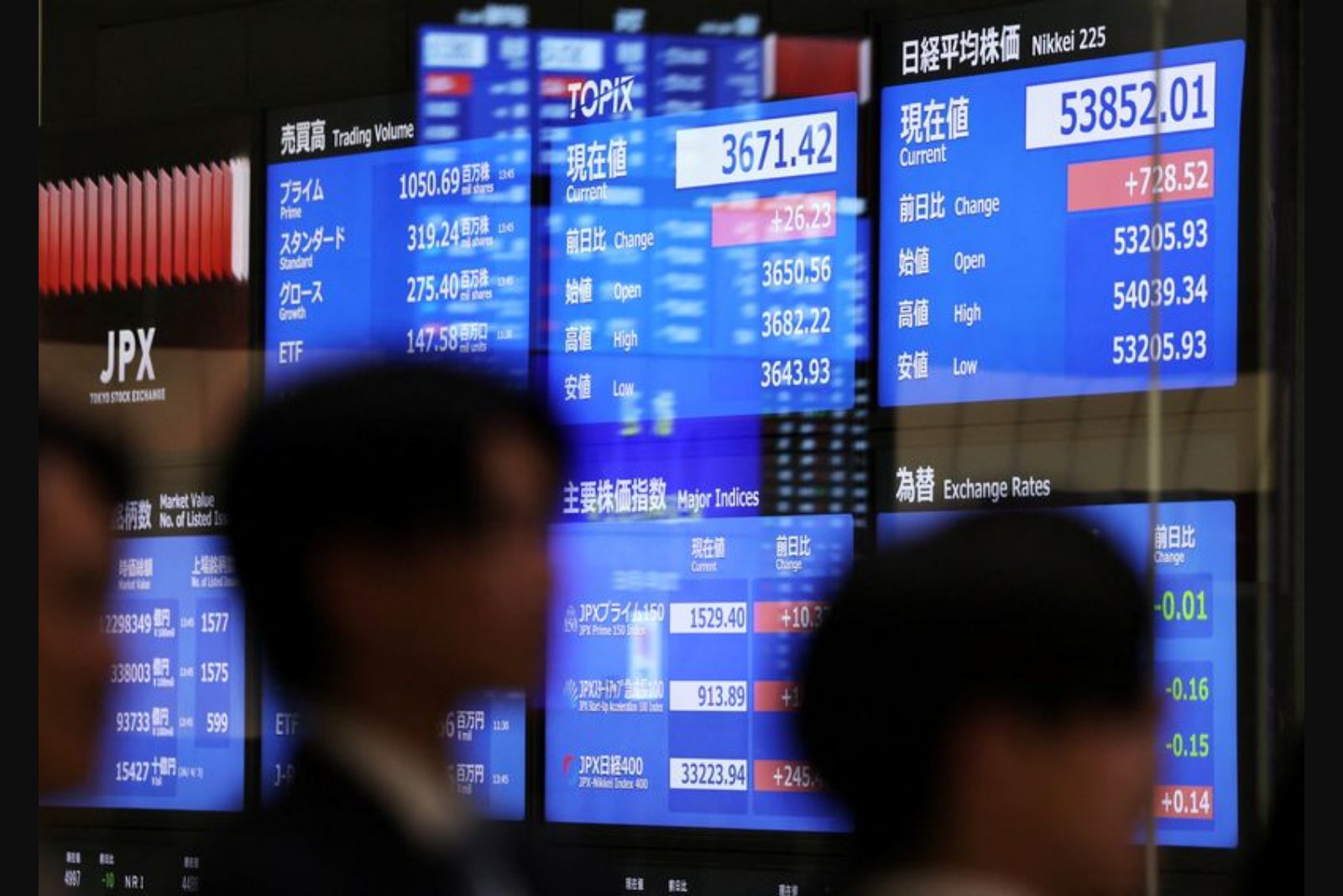
Stock market performance reflected the change in sentiment: the Nikkei rallied around 5.39% on Wednesday, a move that followed news that the U.S. and Iran had reached a ceasefire agreement the day before. Market participants noted that the prospect of easing geopolitical tensions helped stabilize investor appetite for Japanese assets.
Seasonal portfolio dynamics also played a role. Tomochika Kitaoka, chief equity strategist for Japan at Nomura, said foreign financial institutions typically transfer holdings from Tokyo to offshore entities in March ahead of the cutoff for voting rights and dividend entitlements, and then repatriate them in April. That pattern contributed to the inflows recorded in the most recent week.
Bond markets saw notable foreign interest as well. A sharp rise in benchmark Japanese government bond yields - to levels not seen in nearly three decades - coincided with 2.46 trillion yen of foreign purchases of local long-term bonds during the week.
Japanese investors were active abroad as well. Domestic investors invested approximately 1.44 trillion yen into foreign stocks in the week, the largest weekly amount in 11 months, while simultaneously selling foreign long-term bonds by a net 2.46 trillion yen. The latter marked the fourth straight week of net selling in overseas long-term debt by Japanese investors.
Exchange rate used in reporting: $1 = 158.7000 yen.