
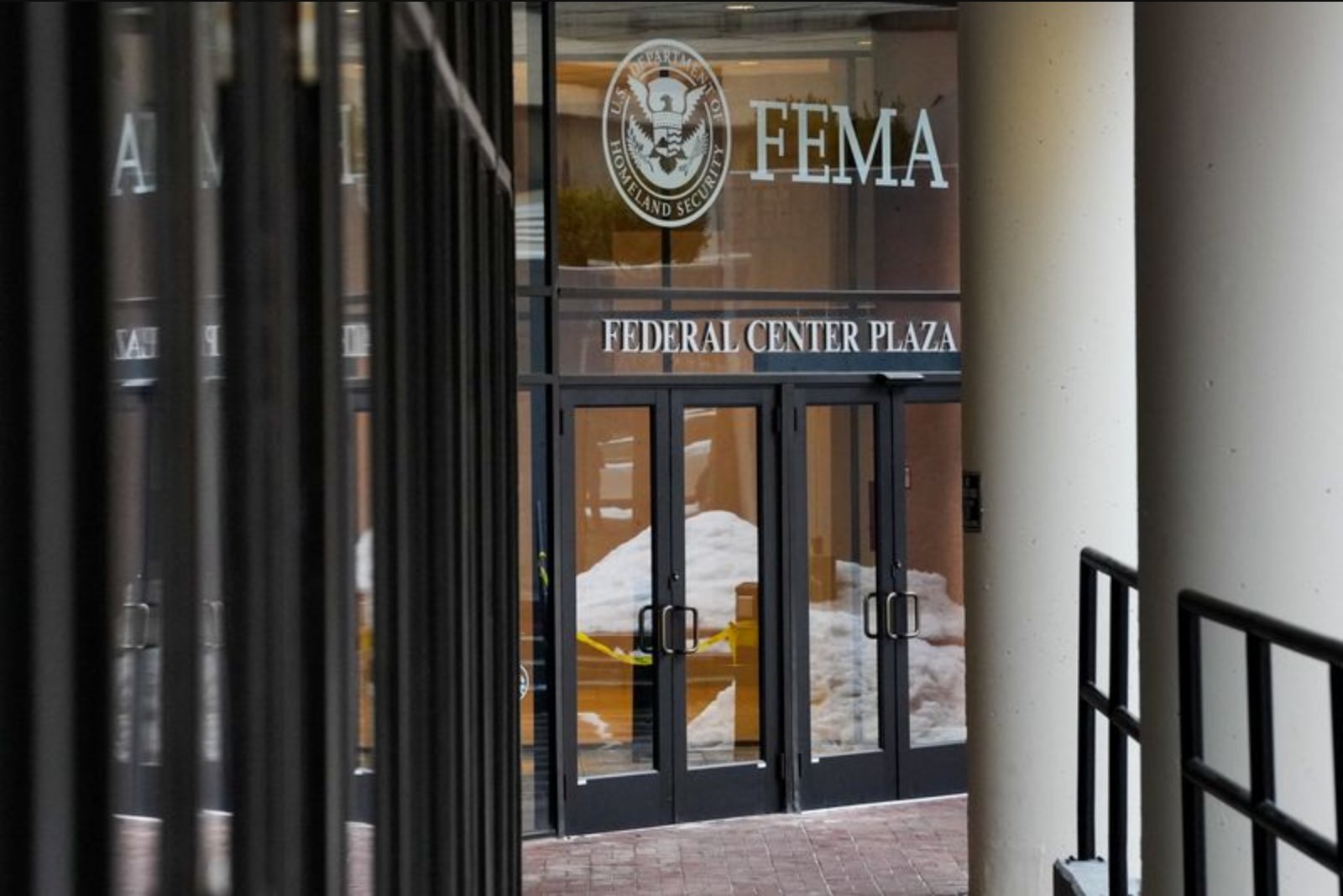
WASHINGTON, March 25 - The Federal Emergency Management Agency has announced the resumption of a disaster mitigation grant program it had terminated last year, and it is reopening the initiative to funding applications after a federal court intervened.
A U.S. district judge, Richard Stearns, concluded in December that the administration's decision to end the grant program was unlawful. This month, Judge Stearns directed FEMA to take additional actions to restore the program known as the Building Resilient Infrastructure and Communities program.
In a statement released on Wednesday, FEMA said: "Through this funding opportunity, FEMA is making $1 billion in federal funding available to states, local governments, territories and Tribal Nations, empowering them to take decisive, proactive steps to protect their communities from potential disasters like fires, floods, earthquakes and hurricanes." The announcement indicates the agency will accept applications to distribute that funding.
FEMA, which operates within the Department of Homeland Security, had told the public last April that it would end the program, characterizing it as wasteful, ineffective and politicized. The agency has also experienced significant staff reductions since President Trump took office in January 2025.
FEMA's stated mission is to assist people before, during and after disasters, providing emergency personnel, supplies and equipment to areas hit by hurricanes, tornadoes, earthquakes and floods. The decision to restore the grant program follows judicial direction rather than an internal reversal announced earlier.
Democratic lawmakers have publicly criticized the administration and the former Department of Homeland Security chief Kristi Noem, asserting that FEMA grants were being delayed or slow-walked. The court rulings and FEMA's subsequent announcement now reopen a channel of federal mitigation funding aimed at pre-emptive resilience measures.
Context and next steps
FEMA's statement commits $1 billion to applicants including states, local governments, territories and Tribal Nations. The program's restoration comes after legal findings that the termination was unlawful and a follow-up judicial order requiring further action to restore the program's operations.
The agency has not provided additional operational details in this announcement beyond the funding amount and the reopening to applications.