
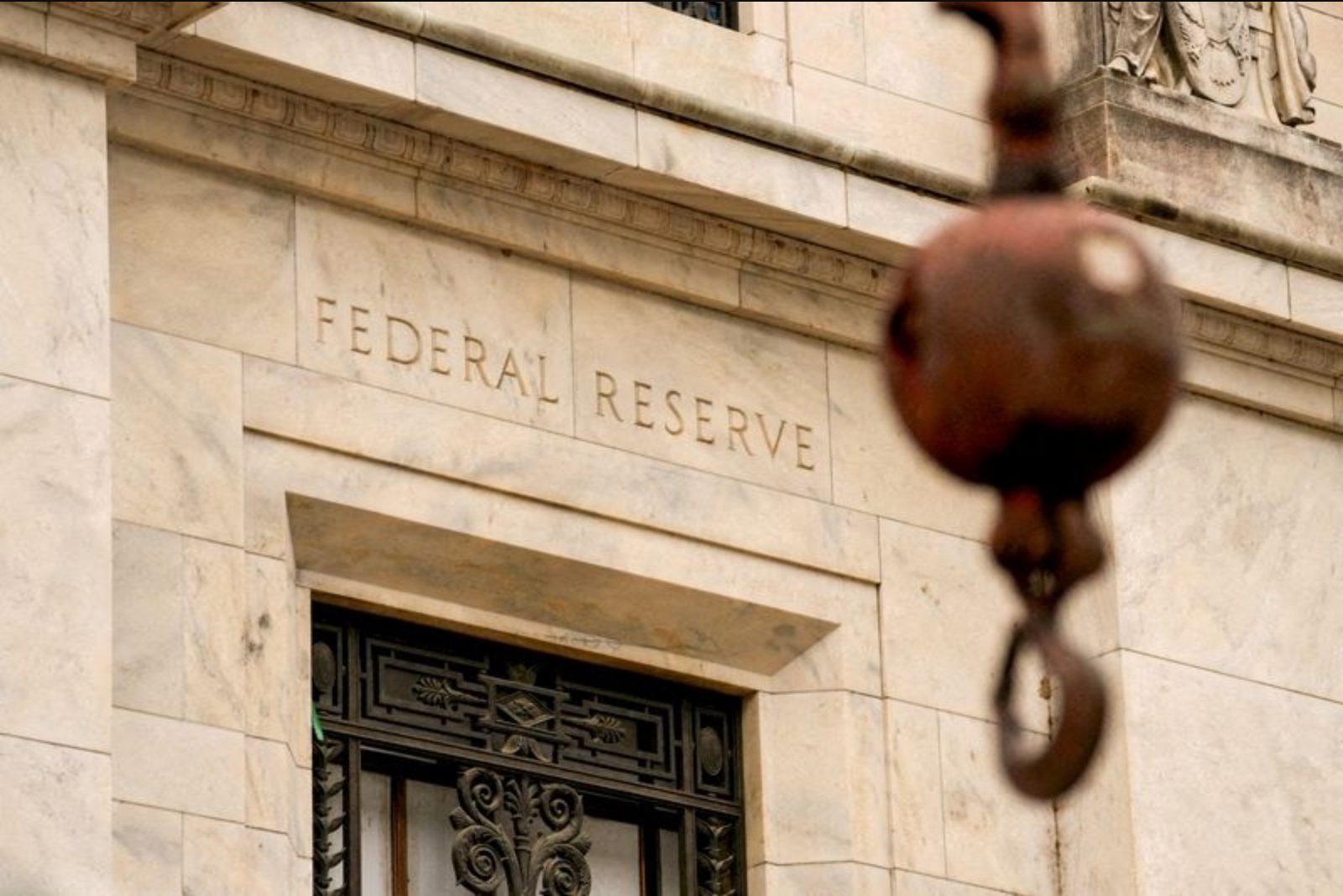
The Federal Reserve disclosed a smaller yearly loss in its audited financial statement released on Wednesday, reporting a total comprehensive loss of $19.6 billion for 2025. That compares with a $77.5 billion loss recorded in 2024 and a $114.6 billion loss in 2023.
The central bank last reported a profit in 2022 and that year returned $76 billion to the U.S. government, down from $109 billion returned in 2021. The recent multi-year swing back into losses is tied directly to the composition and scale of the Fed's balance sheet.
During the COVID-19 pandemic the Fed dramatically expanded its holdings of Treasury and mortgage-backed securities. Those purchases were aimed at stabilizing troubled financial markets and providing stimulus at a time when the Fed's policy interest rate target was near zero and could not be lowered further. The large stock of assets acquired during that period continues to influence the Fed's financial outcomes.
In plain terms, the central bank's profit or loss is affected by the size and yield characteristics of assets it holds relative to its liabilities. The audited statement for 2025 shows the loss narrowed from the elevated levels seen in the prior two years, but it remained a negative result overall.
For market participants and policymakers alike, the figures are a reminder that extraordinary balance-sheet actions taken under stressed conditions leave lasting financial footprints. While the audited numbers do not offer projections about future results, they document how the legacy of pandemic-era asset purchases continues to shape central bank accounting.
Key points
- The Fed reported a $19.6 billion total comprehensive loss for 2025, an improvement from $77.5 billion in 2024 and $114.6 billion in 2023.
- The institution returned $76 billion to the government in 2022, after a profitable year, down from $109 billion in 2021.
- Losses are linked to the enlarged balance sheet created by aggressive purchases of Treasury and mortgage bonds during the COVID-19 period when the policy rate was at near-zero levels.
Risks and uncertainties
- Ongoing financial results remain sensitive to the size and composition of the Fed's balance sheet - changes in asset valuations or holdings could affect future reported gains or losses. This has implications for government receipts and central-bank accounting.
- The legacy of pandemic-era asset purchases means the Fed's earnings profile still reflects past policy actions intended to stabilize financial markets; the persistence of those effects creates uncertainty for when, or if, the Fed will fully return to net profits.
These outcomes are documented in the audited statement and reflect accounting results tied to the balance-sheet position established in response to the pandemic-era shocks. The numbers do not include forward-looking forecasts and are presented as the Fed reported them for the 2025 fiscal year.