
Economy February 3, 2026

Fed Governor Miran Urges More Than a Point of Rate Cuts This Year

Miran says policy is too tight and underlying inflation is benign; remains in post until successor confirmed

By Marcus Reed
Fed Governor Miran Urges More Than a Point of Rate Cuts This Year

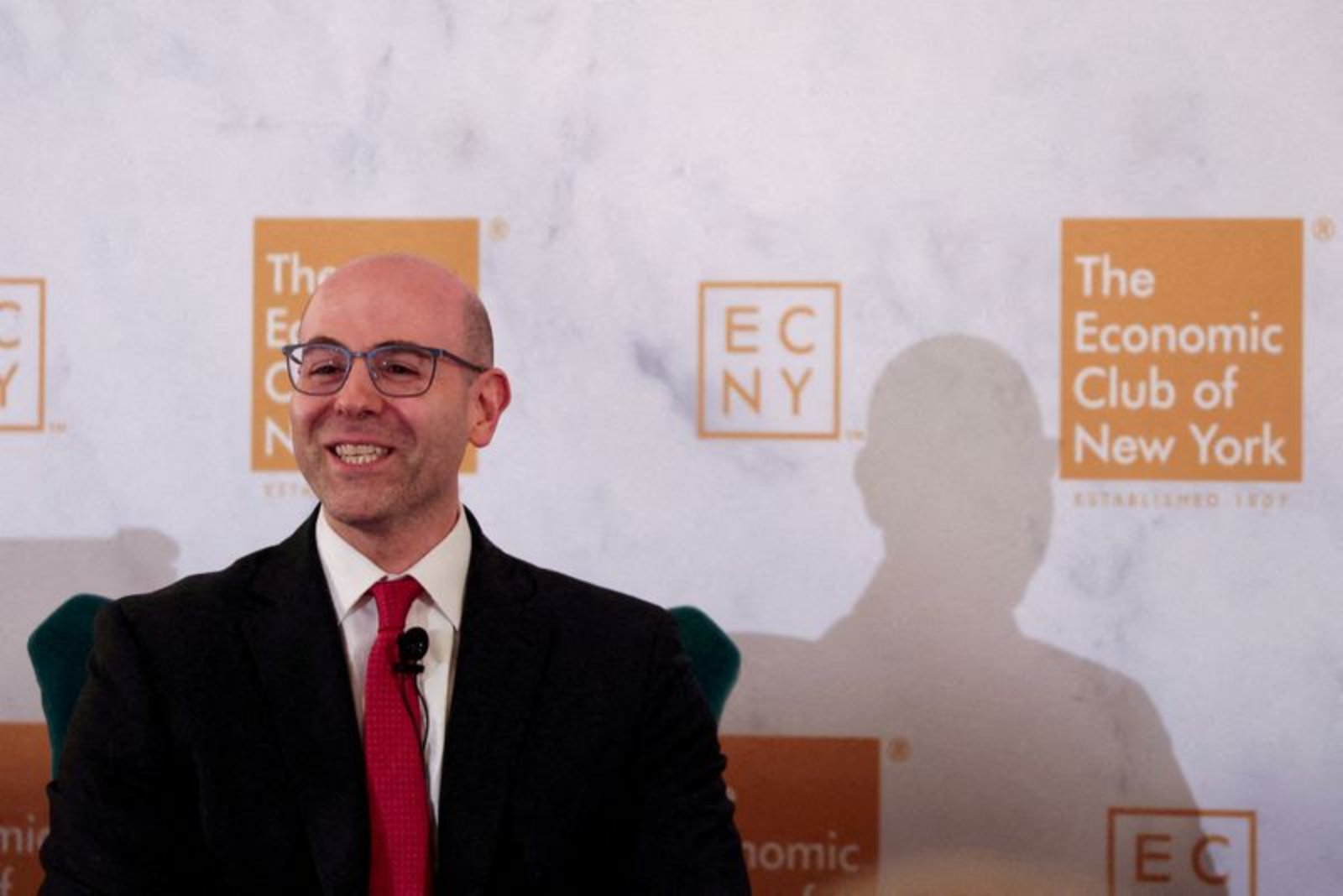
Federal Reserve Governor Stephen Miran told Fox Business Network he expects more than a percentage point of interest rate reductions this year, arguing current policy is too restrictive even though headline inflation remains above the 2% target. Miran, whose term technically ended at the close of January but who remains in office until a successor is confirmed, said subdued underlying price pressures and strong growth supported by reduced regulatory burdens make room for cuts without rekindling inflation.

Key Points

  • Governor Stephen Miran said he expects "a little bit more than a point" of interest rate cuts over the course of the year.
  • Miran described current monetary policy as too tight while noting headline inflation remains above the Fed's 2% target but underlying price pressures are more benign.
  • Miran remains in his governor position until a successor is confirmed; President Donald Trump last Friday named Kevin Warsh as his pick to lead the central bank.
  • Sectors likely to be affected include interest-rate-sensitive markets and financial markets that respond to Fed policy signals.

NEW YORK, Feb 3 - Federal Reserve Governor Stephen Miran reiterated his call for significant interest rate reductions this year during an interview on Fox Business Network on Tuesday. In the conversation he said, "I'm probably looking for a little bit more than a point of interest rate cuts over the course of the year."

Miran characterized the stance of monetary policy as excessively tight for the economy at present. He noted that headline inflation remains above the central bank's 2% target, but emphasized that underlying price pressures appear to be more muted.

In Miran's description, the combination of this relatively benign core inflation picture and robust economic growth - which he attributed to lighter regulatory burdens - creates conditions under which the central bank can reduce rates without triggering a renewed acceleration in price growth. He presented this view as the rationale for advocating an aggressive easing path.

Although Miran's formal term as a governor concluded at the end of January, he continues to occupy the seat until a newly confirmed policymaker is in place. In a related development noted during the interview window, last Friday President Donald Trump named former central banker Kevin Warsh as his choice to lead the central bank.

The comments from Miran underscore a clear preference for a pronounced downward adjustment in the policy rate schedule in the months ahead, based on his read of inflation dynamics and growth drivers. He framed his stance around two central observations: that policy is tighter than the economy needs, and that the underlying trend in inflation is not currently signaling broad-based upside pressure.

Those observations form the public case Miran laid out on the network, including his explicit numerical expectation for aggregate cuts over the year and his argument that such moves should not automatically revive inflation given the conditions he described.


Note: This article reports the governor's statements and the administrative status described during the interview period. It does not introduce additional claims or developments beyond those presented by Miran and the cited announcement about the presidential nomination.

Risks

  • Headline inflation is still above the Fed's 2% target, which could complicate or limit the scope and timing of any rate cuts - this affects inflation-sensitive sectors and pricing expectations.
  • Uncertainty around the confirmation of a new policymaker creates ambiguity about the future policy path and could influence market and investor reactions.
  • If conditions change and underlying price pressures reemerge, the rationale Miran presented for cuts could be undermined, impacting interest-rate-sensitive sectors and financial markets.

More from Economy

Greer Says High Stakes Drive Supreme Court's Cautious Review of Tariff Challenge Feb 3, 2026 USTR Says High Court Is Moving Deliberately in Challenge to Trump-Era Tariffs Feb 3, 2026 Barkin: Fed’s Rate Cuts Have Bolstered Jobs While Inflation Nears Final Stretch Feb 3, 2026 Brazilian Central Bank Will Let Data Shape Size and Pace of Rate Cuts Feb 3, 2026 Markets Shift Focus to Powell After Warsh Nomination Feb 3, 2026