
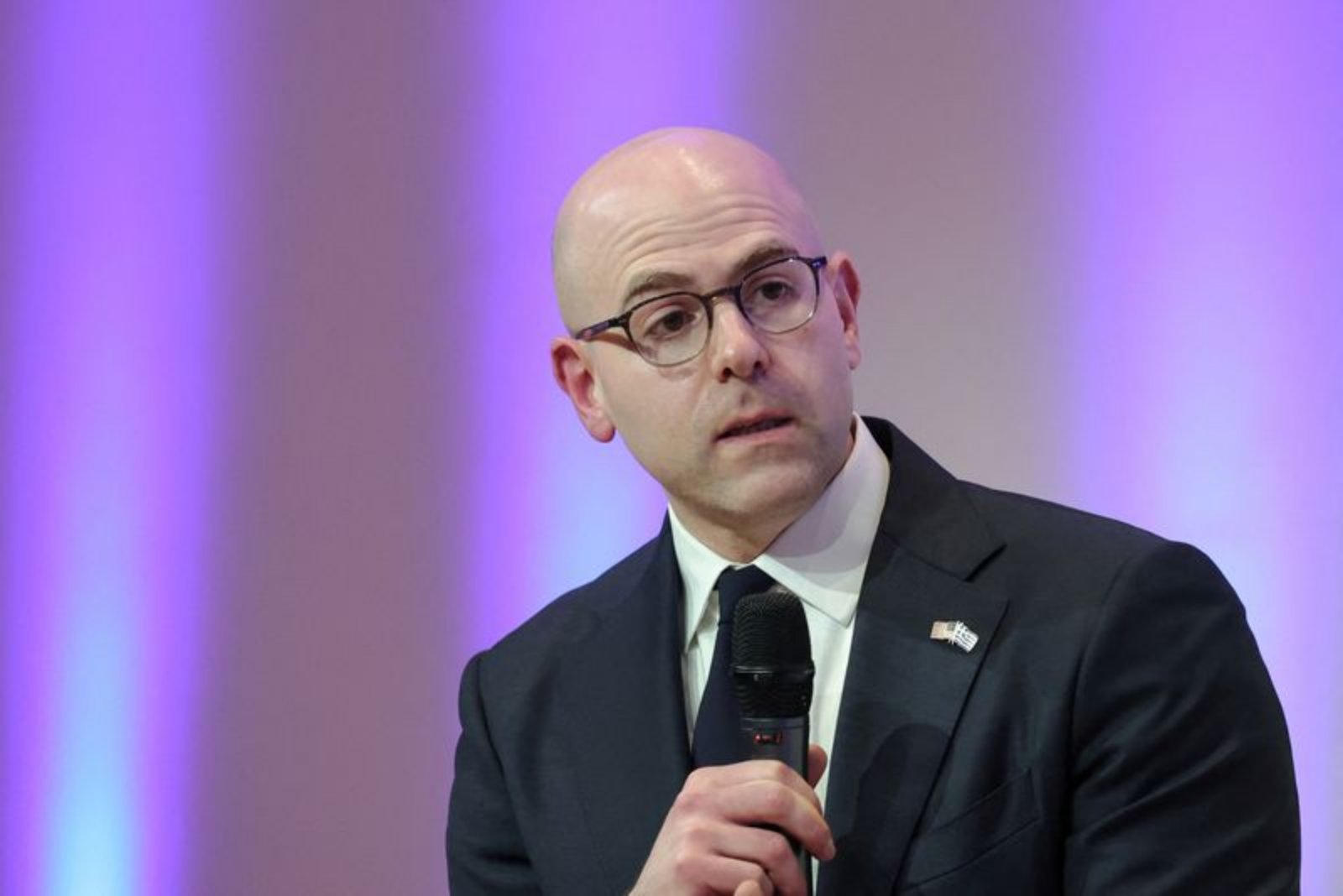
Federal Reserve Governor Stephen Miran told Bloomberg television that policymakers should hold off on revising their outlooks until more data arrives on the economic impact of surging oil prices. "We should wait for all the information to come in before really changing our outlook," he said, emphasizing the need to look through short-term volatility.
Addressing the sharp jump in energy costs, Miran added: "I think it’s just still premature to have a clear view about what this is going to look like as you look 12 months out," a timeframe he said is central to monetary-policy decision-making.
He argued that, historically, central bankers have tended to treat an oil price shock as a transitory disturbance. "Traditionally, you would look through an oil price shock like this, which means that my policy outlook from before is unchanged and my policy outlook from before would be gradual cuts of interest rates," Miran said, reiterating his preference for a path of diminishing policy rates.
Miran acknowledged that his projections changed slightly at the Federal Open Market Committee meeting last week. He said he trimmed his prior expectation for six rate cuts this year to four in the forecasts released at the meeting, while also raising his outlook for inflation.
At that meeting, the FOMC left the federal funds target range unchanged at between 3.5% and 3.75%. Officials, as a group, penciled in one interest-rate cut for the year ahead. Miran was the lone official to vote in favor of a cut at the meeting.
The governor also highlighted the geopolitical backdrop, saying President Donald Trump's war on Iran has significantly clouded the outlook. He noted that soaring energy prices present a dual problem: they increase the risk of upward pressure on inflation that is already above the Fed's 2% target, while simultaneously weighing on demand.
Miran underscored his longstanding view that the labor market requires additional support from monetary policy. "I think the labor market still can use additional support for monetary policy, and that’s why I dissented last meeting," he said, explaining the rationale behind his vote.
He warned that the oil shock has implications on both sides of the macro picture. "Inflation risks have got a little more concerning, but the unemployment risks have gotten more concerning too, because the negative supply shock that is the oil price is also a negative demand shock," Miran said.
The governor said policymakers should watch closely for signs that higher petrol and energy costs are beginning to alter inflation expectations or push up wages. At the moment, he said, neither of those dynamics is evident. Still, he acknowledged that some Fed colleagues are contemplating the possibility of future rate increases if the oil-driven price shock proves sufficient to lift inflation materially.
Miran, who until recently served as a Fed governor while on leave from an advisory role in the White House, has consistently argued for more aggressive easing than the rest of his colleagues have supported. He trimmed his own count of anticipated cuts this year but remains committed to a gradual reduction in rates if data on jobs and the broader economy continue to soften.
Given the uncertain balance between upward inflation pressures from energy and downward demand effects tied to the same shock, Miran urged a data-dependent approach. He emphasized that the committee should not alter its policy stance until the incoming information clarifies how these forces play out over the policy-relevant 12-month horizon.
Key context and takeaways
- The Fed held the policy range at 3.5% to 3.75% at its most recent meeting, with the committee as a whole anticipating one cut this year.
- Miran moved his personal forecast from six cuts to four this year and raised his inflation estimate, while remaining the sole vote for an immediate cut at the meeting.
- Higher oil prices are creating conflicting pressures: lifting inflation risk while potentially weakening demand and the labor market.