
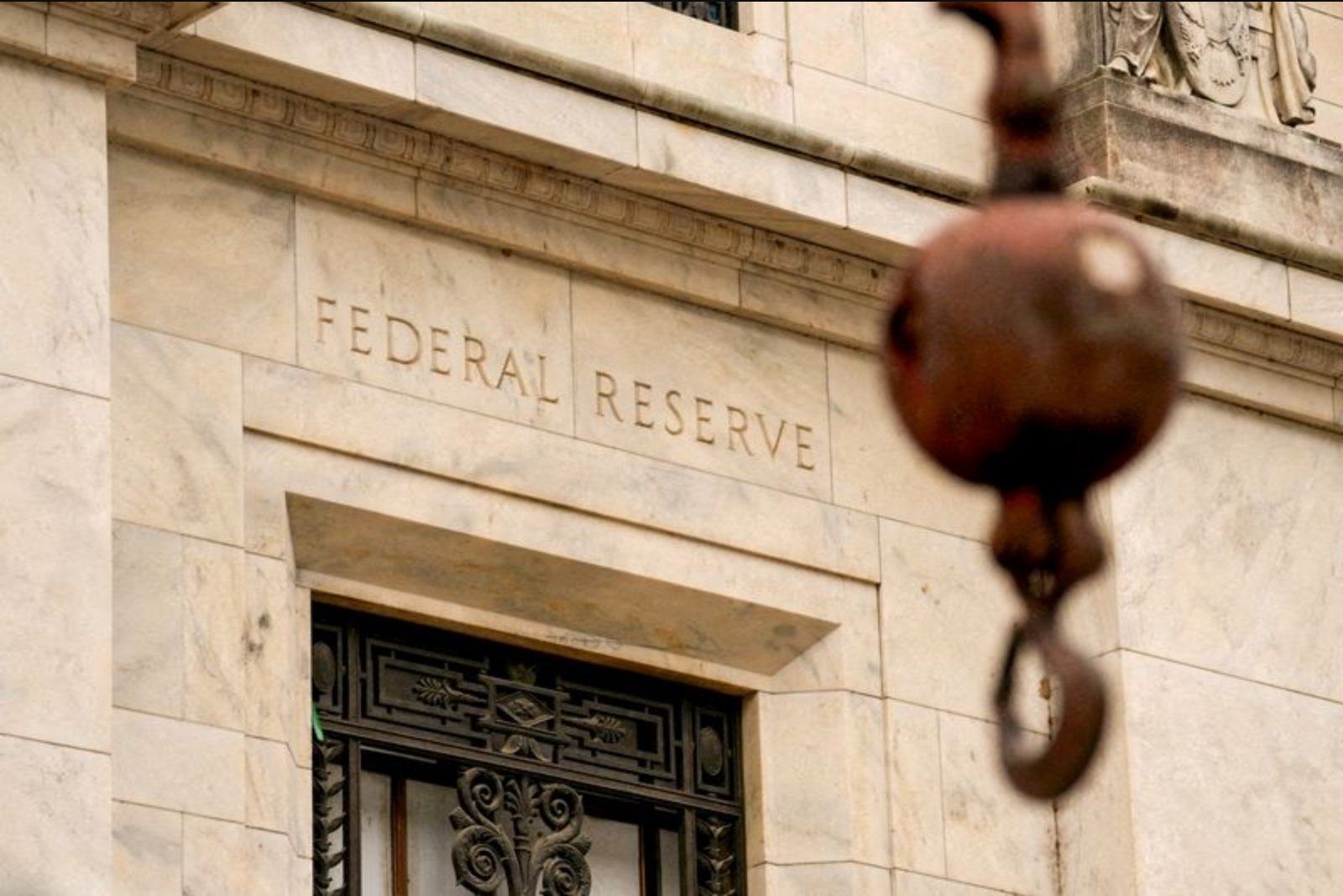
WASHINGTON, April 10 - U.S. consumer prices posted their largest one-month increase since June 2022, a jump led by energy costs that officials say is linked to the Iran war and the resulting disruption to oil markets. The Federal Reserve now faces the task of convincing a skeptical public that this episode of inflation is materially different from the broad-based surge that peaked in mid-2022 and that it may not require the same policy response of steep rate hikes.
When inflation reached its high-water mark in June 2022, prices were rising across a wide array of categories - energy, food, shelter, vehicles and many other items - prompting the Fed to respond with aggressive interest-rate increases. The latest monthly Consumer Price Index reading, however, offers a different picture: headline CPI climbed 0.9% in March, an increase that would annualize to more than 11%, yet the Fed's preferred measures of underlying inflation show a much milder trend.
Core inflation, which strips out volatile food and energy prices and is closely watched for signals about underlying demand and supply pressures, rose just 0.2% on the month and stood at 2.6% year-over-year. Those core figures are materially lower than the broad headline move led by oil and fuel prices.
Federal Reserve officials have emphasized that energy-driven jumps in inflation behave differently from the widespread price pressures of 2022. San Francisco Fed President Mary Daly told Reuters a day before the CPI release: "A higher (CPI) number will not be a surprise to anyone," and she added that such a reading would not necessarily force a change in the Fed's current plan to hold rates steady or even eventually cut them.
Daly outlined a conditional path: if a ceasefire holds and oil prices decline, inflation may abate and the central bank could lower borrowing costs in time. If, by contrast, oil prices and inflation prove persistent, the Fed can maintain its current policy setting and wait for clearer evidence. "We had work to do before we had the oil price shock; with the oil price shock, the work just takes longer," she said. "No one’s really sure how long that will last. ... We could just be holding steady until we know that we are getting the job done."
Investors already appear to have priced in a long pause: market expectations imply the Fed will keep its policy rate unchanged until well into 2027. That outlook reflects confidence among some that the current spike is more transitory than systemic.
For households, though, the energy-driven move has been stark. Surveys and price data show one-month gasoline and diesel fuel prices moving sharply higher, with the national average for a gallon of gas rising from roughly $3 in February to about $4.15. Those visible price increases influence consumer perceptions of inflation and feed into survey measures that policymakers monitor closely.
Evidence that public inflation expectations have shifted upward has already emerged. The University of Michigan's regular consumer survey reported that the one-year inflation outlook jumped to 4.8% in April from 3.8% in March. The five-year expectation also rose, to 3.4% from 3.2%. For the Fed, a durable reset of expectations upward would complicate efforts to get inflation down to the 2% goal the central bank has set.
The Fed previously described early pandemic-era inflation as "transitory" before abandoning that characterization as price pressures proved persistent. Officials now must persuade markets, households and businesses that the current oil-linked increase can be treated differently from the broader inflation episode of 2022. The challenge is political as well as economic: sudden fuel and food price increases are highly visible to consumers and can influence attitudes that matter to policymakers.
Not all policymakers view the situation identically. Former St. Louis Fed President James Bullard, who now leads the Mitch Daniels School of Business at Purdue University, warned that lowering the policy rate in the face of renewed inflation would damage the Fed's credibility. "They can’t lower the policy rate in this situation. If they do they’ll lose credibility," he said. He added that the current stance is delicate: if officials keep rates unchanged and inflation resumes declining, that will validate the decision; if it does not, the Fed may have to act to show greater resolve.
Officials' public messaging must therefore both acknowledge the real and immediate burden on households of rising fuel costs and also explain why the underlying inflation trajectory - as measured by core gauges - looks less alarming than the headline number. How convincing that explanation proves will shape public confidence and the Fed's latitude in choosing whether to hold rates, cut them, or tighten further.
Implications for markets and the economy
The distinction between energy-driven headline moves and core inflation carries consequences across sectors. Consumer-facing industries feel the immediate sting of higher fuel and food prices; financial markets and interest-rate-sensitive sectors gauge whether policymakers will alter the policy path; and energy markets themselves react to geopolitical developments.
Policymakers also face the risk that persistent energy price shocks could prolong the timeline for achieving 2% inflation, even if core measures remain around 2.6% today. In the near term, the Fed has tools to wait and observe, but public expectations and political sensitivity mean communication will be central to maintaining credibility.