
European energy security faces a nuanced threat: instability in the Middle East could trigger a chain of financial reactions that harm Europe’s economy even though relatively small shares of its fuels come directly from that region.
A UBS report emphasizes this point by noting that only about 11% of Europe’s liquefied natural gas (LNG) and 12% of its oil comes from the Middle East. Despite these modest physical proportions, the structure of modern energy markets means a disruption could still produce outsized financial effects across the continent.
At the center of the analysis is what UBS describes as the "destination-flexibility" built into many long-term LNG contracts. Nearly half of those contracts permit cargoes to be redirected to whatever market offers the highest price. That contractual elasticity creates what analysts call a financial "outbid" mechanism: if Middle Eastern volumes to Asia are interrupted, Asian buyers would bid up global prices, and Europe would have to match those prices at the margin to preserve its storage levels.
The result is that Europe’s exposure is not only about where molecules land physically but about Europe’s ability to pay in a global market that can reallocate supply rapidly. UBS highlights that roughly 90% of LNG traversing the Strait of Hormuz is destined for Asia - a flow that, if interrupted, would likely push global prices higher and require European buyers to compete financially with Asian markets.
Those higher prices would not be limited to the commodity itself. The report points to elevated shipping and insurance costs that would accompany any significant rerouting of supplies. Even if Europe ultimately replaces a smaller proportion of lost imports than it did after the 2022 decline in Russian supplies, the increased logistical expense is expected to remain a headwind to industrial recovery and to complicate efforts to meet inflation targets for the remainder of 2026.
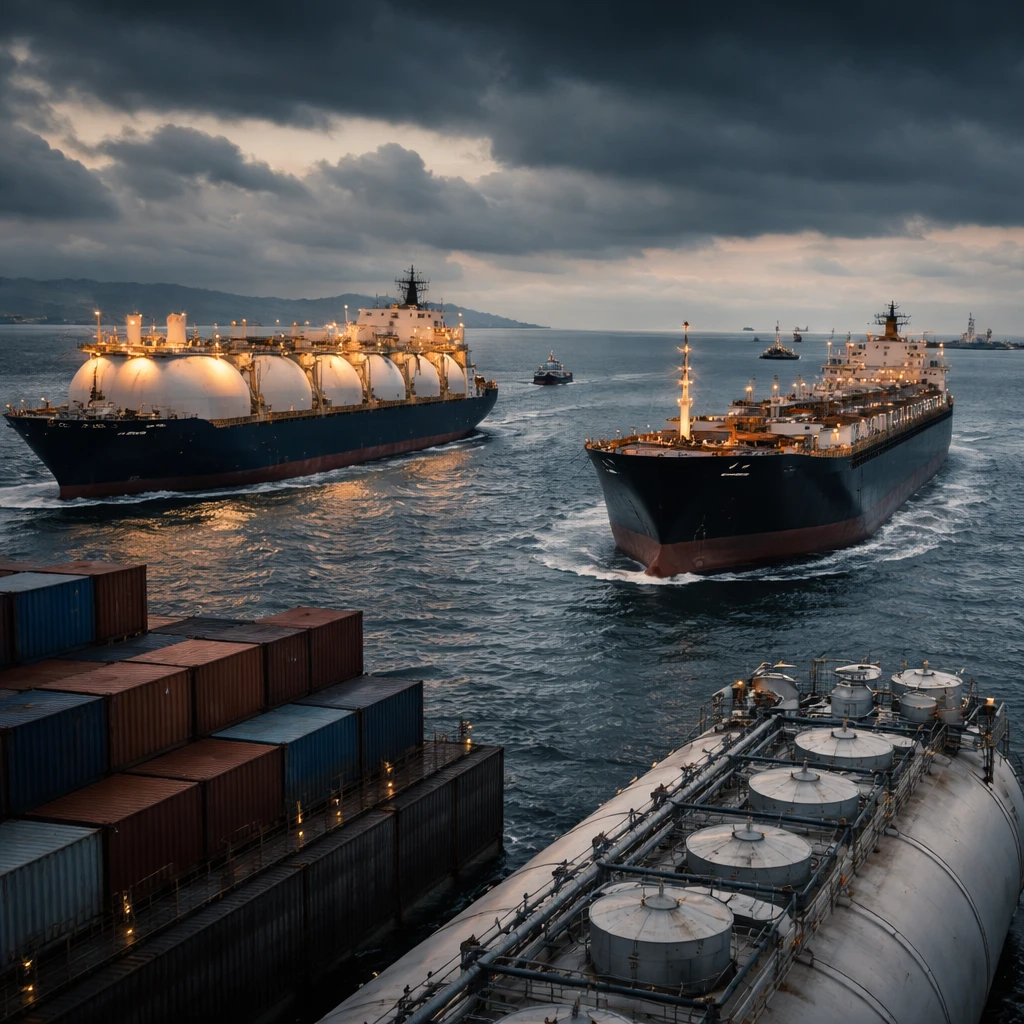
Shipping infrastructure and maritime logistics are integral to this dynamic. As Asian markets search for alternate volumes, competition for Atlantic-basin cargoes and for tankers and LNG carriers will tighten. UBS flags oil contracts as particularly vulnerable; they are normally committed only weeks before delivery and therefore sensitive to swift changes in sea-borne trade patterns.
Europe’s relative advantage in storage agility is cited as a mitigating factor. The continent may have more capacity to hold reserves than many of the large Asian buyers, which could blunt some immediate supply shocks. However, the broader macroeconomic stability of the Eurozone will hinge on whether European utilities and suppliers can absorb or prevent price spikes from being passed through to end consumers.
In UBS’s framing, the balance of power in energy security is shifting from physical proximity to financial capacity. The ability to finance higher marginal bids, to secure shipping slots and to bear increased insurance costs will determine how well Europe weathers potential disruptions tied to Middle Eastern supply routes.
Key takeaways:
- Contractual flexibility in LNG deals and the global destination of most Strait of Hormuz volumes mean Europe is exposed financially even with modest direct imports from the Middle East.
- Rising shipping and insurance expenses, plus a potential need to outbid Asian markets, could hamper Europe’s industrial rebound and complicate inflation targets through the remainder of 2026.
- Maritime logistics and storage capacity will play central roles in determining how price shocks are absorbed within the Eurozone economy.
Impacted sectors: Energy, shipping and logistics, industrial manufacturing, utilities, and financial markets tied to commodity pricing.