
Chinese Commerce Minister Wang Wentao met with Eli Lilly leadership in Beijing on Saturday and publicly encouraged the U.S. pharmaceutical company to "deepen its commitment" to the Chinese market and adopt more aggressive growth objectives. Wang noted that recent trade discussions held in Paris offered a "positive signal" for cooperation between the two countries, suggesting a more stable geopolitical backdrop may be providing multinationals with greater certainty when operating in mainland China.
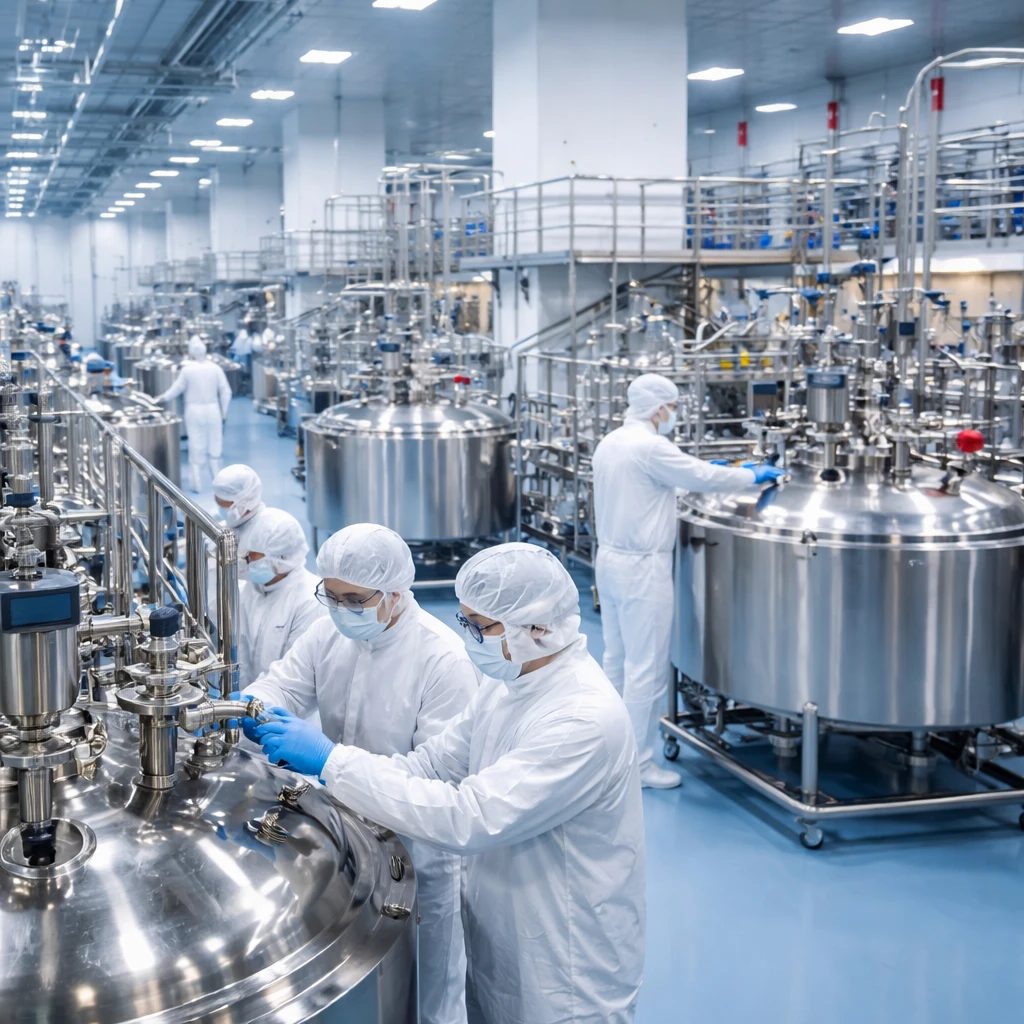
At the center of the talks is Lilly's announcement that it will invest $3 billion in China over the coming decade, a plan led by CEO David Ricks. A large share of that capital is intended to support domestic manufacturing of orforglipron, Lilly's experimental weight-loss pill that is currently under regulatory review by Chinese authorities.
Ricks has characterized the investment as a way to strengthen Lilly's foothold in a high-demand metabolic health market. To accelerate production, the company will pursue a hybrid manufacturing approach and has committed $200 million to a partnership with Pharmaron Beijing Pharmaceutical Co. to establish the technical infrastructure needed for orforglipron and future therapies.
The partnership is designed to allow Lilly to draw on local supply-chain expertise while building capacity to meet expected demand for next-generation obesity treatments. Company officials said the move toward local production is intended to address supply-chain complexity and ensure the company can scale output quickly if regulatory approvals and market uptake align with expectations.
Minister Wang framed the Lilly investment as an example of "continued cooperation," signaling Beijing's interest in protecting high-tech foreign investment in industries it regards as important to national health. His comments appear aimed at reassuring foreign investors after a period of regulatory and trade volatility.
Despite the diplomatic reassurance, Lilly must weigh the substantial capital commitment against the uncertainties of U.S.-China trade policy. The company sees local manufacturing as a potential competitive advantage in securing market share across the Asia-Pacific region as demand for obesity therapeutics grows amid heightened industry competition.
Separately, promotional material associated with market analysis services referenced in the context of the company's outlook noted that an AI-driven tool evaluates Eli Lilly alongside thousands of companies using over 100 financial metrics. That material asserted the tool is unbiased and cited past notable winners it has identified, including Super Micro Computer with a +185% return and AppLovin with a +157% return, while inviting readers to explore whether Eli Lilly features in any current strategies.
Key points
- Eli Lilly plans to invest $3 billion in China over the next decade, focused on local production of orforglipron.
- The company will adopt a hybrid manufacturing model and has a $200 million partnership with Pharmaron Beijing Pharmaceutical Co. to build necessary technical infrastructure.
- Chinese Commerce Minister Wang Wentao urged Lilly to deepen its commitment, citing trade talks in Paris as a "positive signal" for Sino-American cooperation.
Risks and uncertainties
- Regulatory uncertainty - orforglipron remains under review by Chinese authorities, which could affect timelines for local production and market entry.
- Geopolitical and trade policy volatility - shifting U.S.-China trade relations could influence the economics and strategic value of Lilly's China investment.
- Capital deployment risk - the large upfront investment and reliance on local manufacturing capacity create execution risks if demand or regulatory approvals do not materialize as expected.