
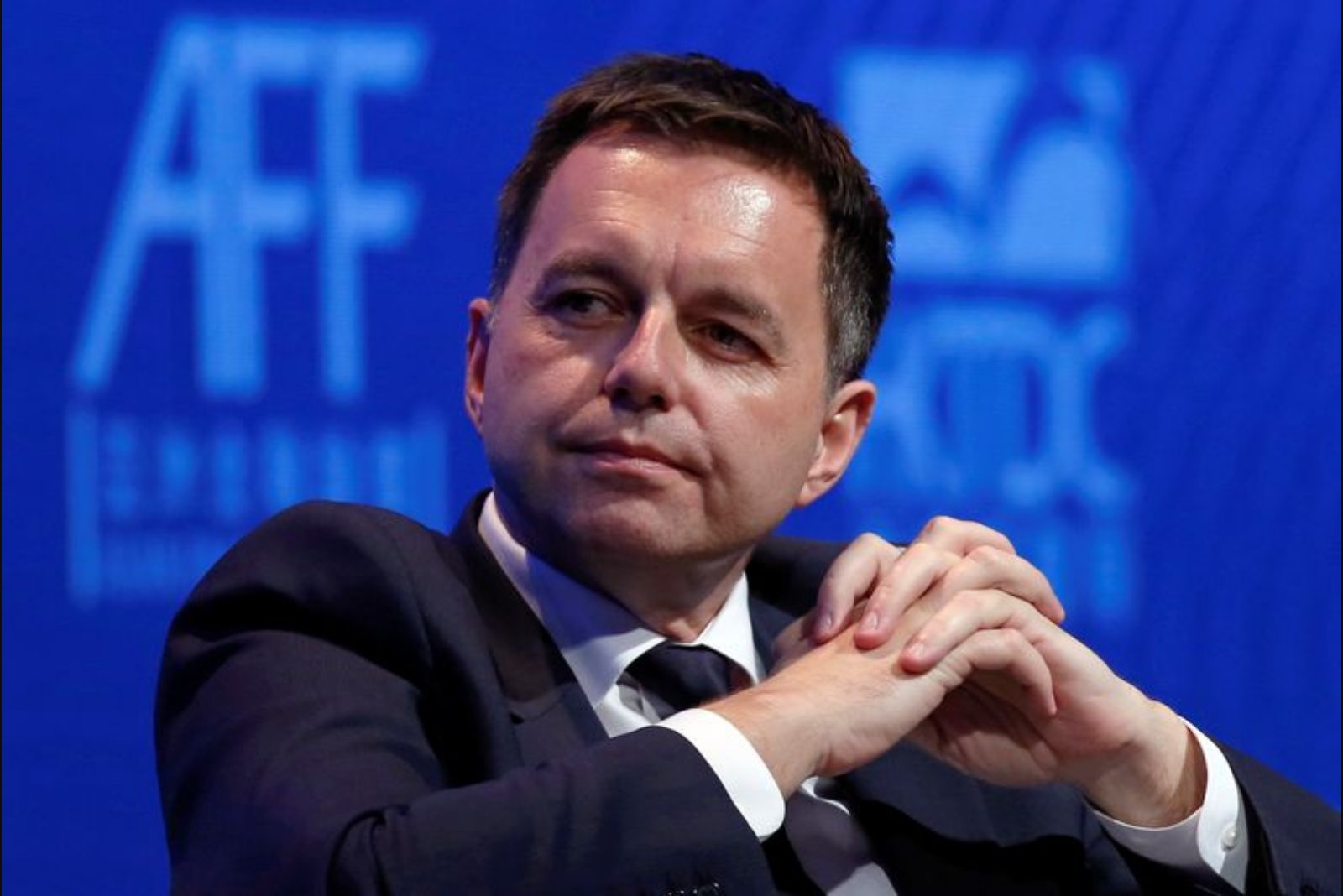
FRANKFURT, March 23 - The European Central Bank stands ready to tighten monetary policy if an expected energy-driven uptick in inflation looks set to become persistent, Slovak central bank governor and ECB policymaker Peter Kazimir said on Monday. Kazimir counseled caution about short-term developments but emphasised the ECB's willingness to respond if the inflationary shock threatens to keep price growth above its 2% target for a sustained period.
The ECB left interest rates unchanged last week, but signalled that the U.S.-Israeli war on Iran could push inflation well above 2% while also restraining growth and disrupting supply chains. Kazimir said in a blog post that there is little the ECB can do about a near-term spike driven by energy prices, but warned of the need for prompt action if the shock begins to feed through more broadly.
"We can do little about the inflation spike in the next few months," Kazimir wrote. "But if we judge that the risk of inflation remaining above our target for a prolonged period is significant, we will act with appropriate forcefulness to bring inflation back down to our target."
The ECB's own scenarios show a range of possible paths. Under the most benign projection cited by Kazimir, inflation - which has been at target for the past year - could rise to 2.6% before returning to 2% next year. In a more severe scenario, the energy shock could push inflation above 2% for years if higher energy costs spill over into the prices of other goods and services.
Kazimir warned that both firms and households may alter behaviour in ways that complicate the inflation outlook. He noted that the memory of years with high inflation remains fresh for many, which may lower the threshold for firms to raise prices. Similarly, households could begin seeking higher wages sooner in response to rising costs.
Governments frequently move to ease the public burden when energy prices surge, but Kazimir argued such measures tend not to be temporary, narrowly tailored and targeted. Instead, he said, policy interventions by governments are likely to stoke inflation further and prolong elevated price pressures.
That dynamic creates a dilemma for the central bank. Energy shocks normally weigh on economic growth by reducing households' disposable income and squeezing corporate margins, a development that would ordinarily allow a monetary authority to look through a temporary inflation spike. But that approach only holds if price and wage expectations do not ratchet higher, Kazimir said, because an upward shift in expectations can perpetuate inflation.
"People can rest assured we will not waver in delivering our mandate," Kazimir wrote. "If the path ahead gets harder, we will say so. If it requires bold action, we will not hesitate."
Kazimir's comments underline the ECB's current posture: an openness to tolerate a short, energy-driven rise in inflation while reserving the right to tighten policy decisively if signs emerge that higher inflation is becoming entrenched and feeding through the economy.
Summary
The ECB will act to tighten policy if the energy-induced rise in inflation appears likely to remain above the 2% target for an extended period, Peter Kazimir said. While near-term spikes are largely outside the central bank's control, persistent inflation driven by higher energy costs, government support measures and rising wage demands would prompt forceful action.