
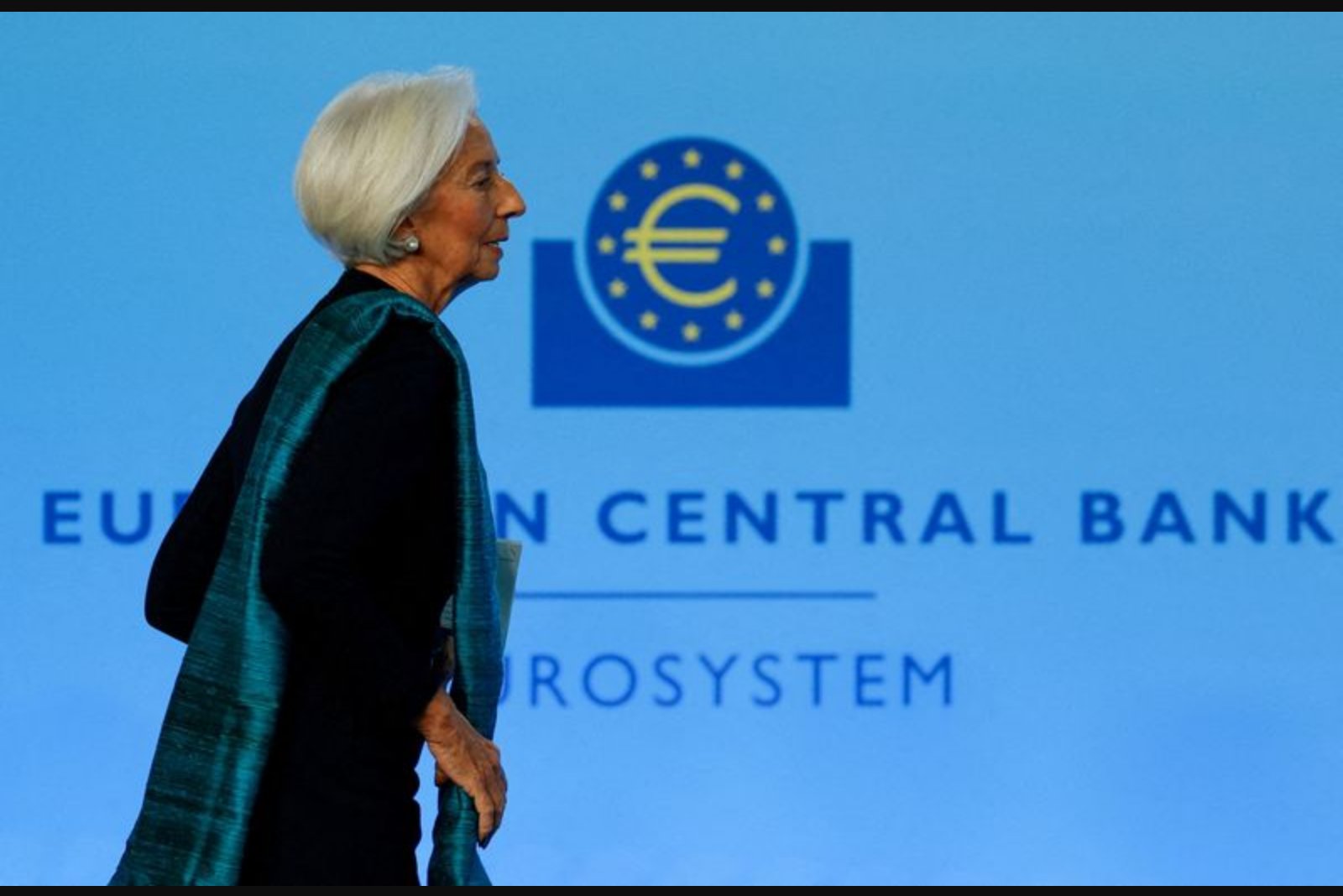
FRANKFURT, Feb 5 - The European Central Bank looks set to maintain its current policy settings at its upcoming meeting and to emphasize that no near-term adjustment to interest rates is anticipated. The institution has not altered borrowing costs since it paused a year-long sequence of rate cuts in June, and a subdued outlook for both growth and prices has eased immediate pressure on policymakers to provide further stimulus.
With headline inflation at the ECB's 2% target, growth tracking at roughly the currency bloc's potential and interest rates effectively on neutral ground, some observers have described the present conditions as an unusually favorable configuration for monetary policy. In that context, ECB President Christine Lagarde is expected to reprise her assertion that policy is in a "good place," and officials are not likely to open a debate over changing borrowing costs in the near term.
Yet the policy backdrop is not without risks. A range of market and geopolitical developments over the opening weeks of the year - including a sharp drop in the U.S. dollar, episodes of commodity market volatility and public tensions originating in Washington over Greenland and pressure on the Federal Reserve to cut rates - serve as reminders that stability could be disrupted.
"It has been a tumultuous start to the year in terms of geopolitics and there have been some significant market moves," JPMorgan economist Greg Fuzesi said, reflecting concerns that recent turbulence could complicate the central bank's assessment. Thursday's meeting will be the ECB's first since Bulgaria adopted the euro on January 1, lifting the number of countries in the currency union to 21.
One immediate channel through which market moves could affect inflation is the exchange rate. A stronger euro relative to the dollar and other currencies reduces the local currency cost of imported goods, particularly energy, which in turn exerts downward pressure on consumer price inflation at a moment when inflation is already running below the 2% goal. Headline inflation across the euro zone slipped to 1.7% last month and could fall further before projections call for a rebound next year, reviving memories of the long battle to boost price growth prior to the COVID pandemic.
Nevertheless, analysts say the recent appreciation of the euro is not automatically dispositive for policy. "The recent jump in oil prices, if sustained, should offset much of the disinflation impact from a stronger euro, reducing the urgency for the ECB to adjust policy," Societe Generale's Anatoli Annenkov said. He added that over the medium term, a combination of firmer oil prices and a stronger currency could raise competitiveness concerns and weigh on growth, which in turn could increase calls for monetary accommodation.
On a trade-weighted basis the euro has been relatively stable so far this year, which supports market expectations that the ECB will not move interest rates in 2026. Indeed, if anything, longer-term inflation expectations have inched higher rather than lower, a dynamic that diminishes near-term impetus for policy loosening.
Lagarde is expected to reiterate that the ECB does not target exchange rates and that the euro's strength is only one of several factors affecting inflation. She can also point to indicators that support a cautiously upbeat tone - solid growth readings, historically low unemployment and robust wage increases.
The euro zone has shown notable resilience to strains in external demand, with domestic consumption appearing to offset weakness in exports and industrial production. High household savings and a strong labour market are seen by many economists as underpinning continued consumption and supporting overall growth. Additional fiscal stimulus, in the form of planned German spending on defence and infrastructure, is also expected to contribute to expansion.
Looking ahead, the path of monetary policy in 2026 will hinge on the balance between external and internal conditions. "The path of monetary policy in 2026 will depend on who wins the contest between external conditions and internal conditions," Deutsche Bank said in analysis, noting their baseline assumes domestic resilience will dominate and could lead to rate increases in 2027. However, if inflation remains below target long enough to pull expectations below 2%, policymakers may have little choice but to offer additional support.
Finally, market participants and investors are weighing opportunities for 2026 in the context of available data and analytics. Some proponents of data-driven strategies argue that institutional-grade information combined with advanced analytics can help identify attractive investments more consistently, even though such tools cannot guarantee winners.
Contextual note: This meeting takes place against a backdrop of mixed signals - stable domestic indicators balanced against volatile external developments - which together shape the ECB's near-term stance of holding rates steady while monitoring incoming data and market moves.