
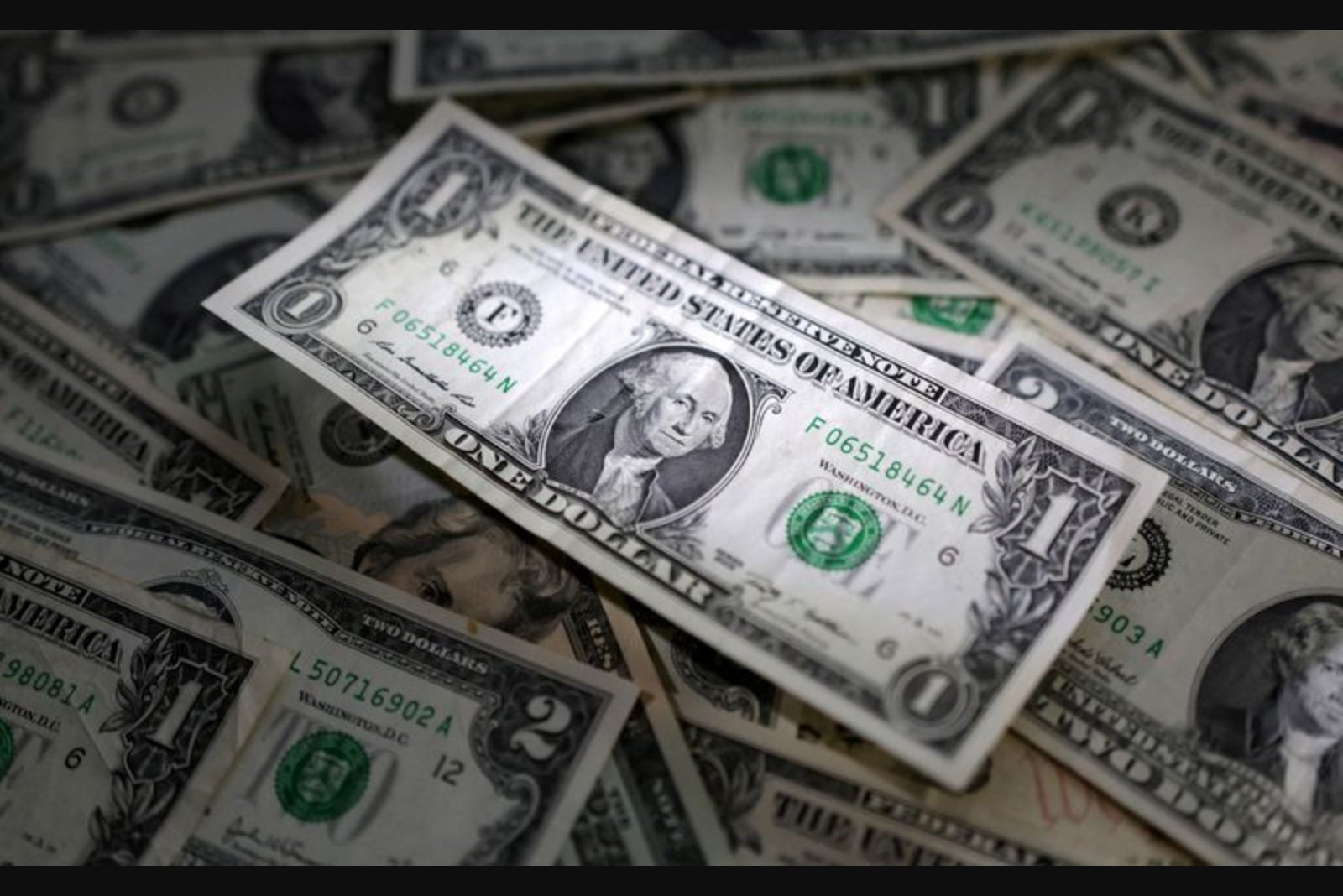
Currency markets have reopened with renewed volatility after a fresh bout of dollar selling, which intensified when the U.S. president shrugged off the move by telling a reporter the dollar was "doing great." That remark coincided with an acceleration in selling that sent the euro above $1.20 for the first time in more than 4-1/2 years and pushed the Swiss franc to its strongest level in a decade.
The recent sell-off compounds a longer trend: the dollar index fell more than 9% over the past year. Analysts point to a mix of political and policy factors for the currency's decline - geopolitics, presidential policy signals, public statements from Washington favoring a weaker dollar and concerns about the Federal Reserve's independence.
Heightened unease about the president's unconventional diplomacy in Greenland and suggestions the United States might engage in dollar selling to aid Japan's efforts to strengthen the yen have driven some investors to hedge currency exposure. As TD Securities analyst Prashant Newnaha put it, investors can find themselves in a situation akin to holding Treasuries yielding 4% while incurring a 10% loss on the currency as a foreign holder.
Large institutional moves reflect that caution. Last week, Australia’s second-biggest pension fund, Australian Retirement Trust, began reducing its dollar exposure through hedging while maintaining its U.S. asset holdings. That stance helps explain why equity markets have continued to reach record highs even as FX swings accelerate: domestic returns can remain attractive even when currency moves erode foreign investor returns.
The softening dollar has fed through to other assets. Gold has rallied to a new high above $5,200 an ounce, according to market quotes, and the Australian dollar has climbed beyond 70 cents. The Aussie has received an additional lift from the interest rate outlook after data on Wednesday showed underlying inflation for December running hotter than expected. Those figures pushed market odds of a rate increase in Australia next week to above 70%.
All four of Australia’s major banks now forecast a rate rise, reflecting the stronger inflation signal. Meanwhile, central banks in the United States and Canada are widely expected to hold policy rates when they meet later on Wednesday. Market participants will be watching closely how Federal Reserve Chair Jerome Powell responds to questions about the central bank's independence.
Beyond policy meetings, corporate events may also influence sentiment. Earnings from two major U.S. firms, Meta and Tesla, are scheduled after U.S. market hours, offering potential volatility in equities that could spill over into currency and bond markets.
Key developments to watch:
- U.S. Federal Reserve meeting
- Bank of Canada meeting
- After-market earnings reports from Meta and Tesla