
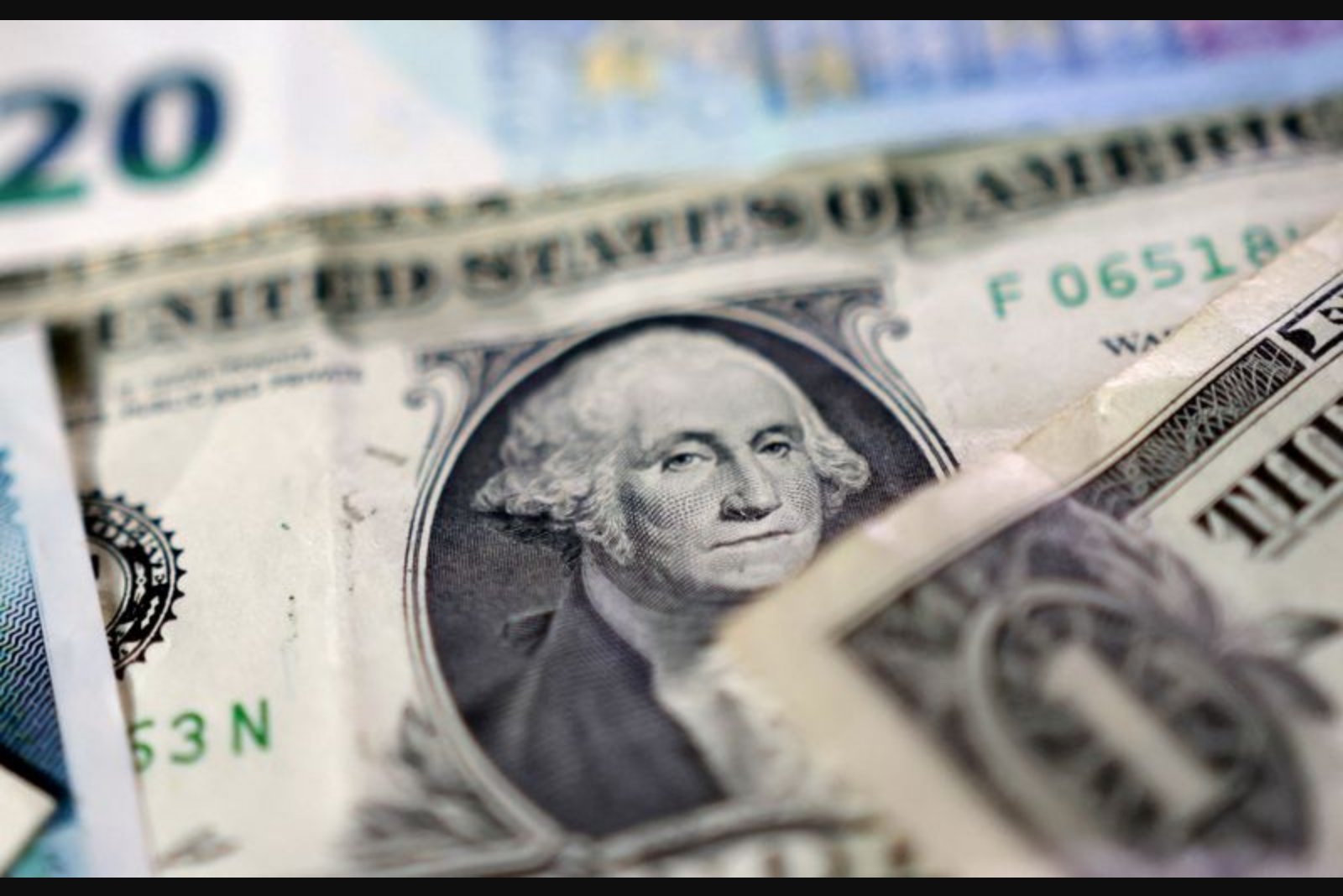
Global political tensions and policy signals combined on Friday to keep the U.S. dollar on course for a second weekly decline. New tariff threats tied to countries supplying oil to Cuba were among recent moves that have added to strains already affecting investor appetite for the greenback.
The White House said President Donald Trump signed an executive order that would impose tariffs on nations that provide oil to Cuba. That action arrived alongside recent geopolitical pressures involving Iran, Venezuela, Greenland and Europe, all of which have contributed to a softer tone for U.S. assets.
Heightened concern over possible military action also hit markets. Reports that President Trump is weighing strikes against Iran - including options that would target security forces and leaders - prompted a noticeable rise in oil prices and further weighed on the dollar index (DXY). Trump described naval forces in the region as an "armada" sailing to Iran, according to sources cited in reports.
Still, Washington delivered a modest positive signal on the domestic front when negotiators in the Senate reached a deal that would avert a partial government shutdown. Investors also parsed the Federal Reserve's recent decision to leave interest rates unchanged, a move that briefly supported the greenback after central bank chair Jerome Powell characterized the economy as solid and said risks to inflation and employment had diminished.
Market reaction was mixed during the session. The dollar index - which measures the greenback against a basket of currencies - rose 0.2% to 96.35 on the day, narrowing its weekly decline to 1.1%.
Currency pairs showed small shifts. The euro slipped 0.2% to $1.194, while sterling declined 0.1% to $1.3791. The Japanese yen eased 0.17% to 153.39 per dollar. Earlier in the week the dollar had hit a four-year low after President Trump appeared to be dismissive of the currency's weakness, though it recovered some ground following Treasury Secretary Scott Bessent's remark that Washington maintains a strong-dollar policy.
Mantas Vanagas, a senior economist at Westpac Group, observed in a note that the DXY "continued its downward trend, as Trump’s threats of military action in Iran added further pressure." The greenback had ended last week with its largest weekly fall since last April, a decline that analysts linked in part to market concerns over U.S. policy toward Greenland.
The dollar's retreat has provided some relief to the battered Japanese currency. The yen traded largely in a 152 to 154 per dollar range for most of the week, driven in part by discussion of rate checks from both the U.S. and Japan - a step often viewed as a possible precursor to currency intervention.
Economic data from Japan showed core consumer prices in Tokyo rose 2.0% in January from a year earlier, according to Friday's release. That was a slowdown from the previous month but matched the central bank's target.
Elsewhere in foreign exchange, the Australian dollar weakened 0.2% against the greenback to $0.7033 and the New Zealand dollar fell 0.2% to $0.6066.
Cryptocurrencies moved slightly lower. Bitcoin slipped 0.1% to $84,309.27, and ether edged down 0.3% to $2,808.19.
Overall, a combination of fresh tariff-related policy, heightened military risk perceptions and mixed domestic signals left the dollar softer over the week, even as pockets of support emerged from steady Fed policy and averted fiscal disruption in Washington.