
Currency markets opened the week in tumult after U.S. President Donald Trump announced a temporary reprieve from military action targeting Iran’s power infrastructure. The announcement, posted on his social platform, said the U.S. and Iran had engaged in "very good and productive" conversations about a "complete and total resolution of hostilities in the Middle East." Iran, however, denied that any direct negotiations had taken place.
Markets initially reacted with a risk-on rally following the president’s post, reflecting relief that an immediate escalation had been averted. That rally proved fragile, and trading turned tentative as investors parsed the contradictory public statements. Traders remained mindful of the wider stakes: the conflict had already severely disrupted shipments through the Strait of Hormuz, effectively curbing about one-fifth of global oil and liquefied natural gas flows - a structural concern that keeps many market participants cautious.
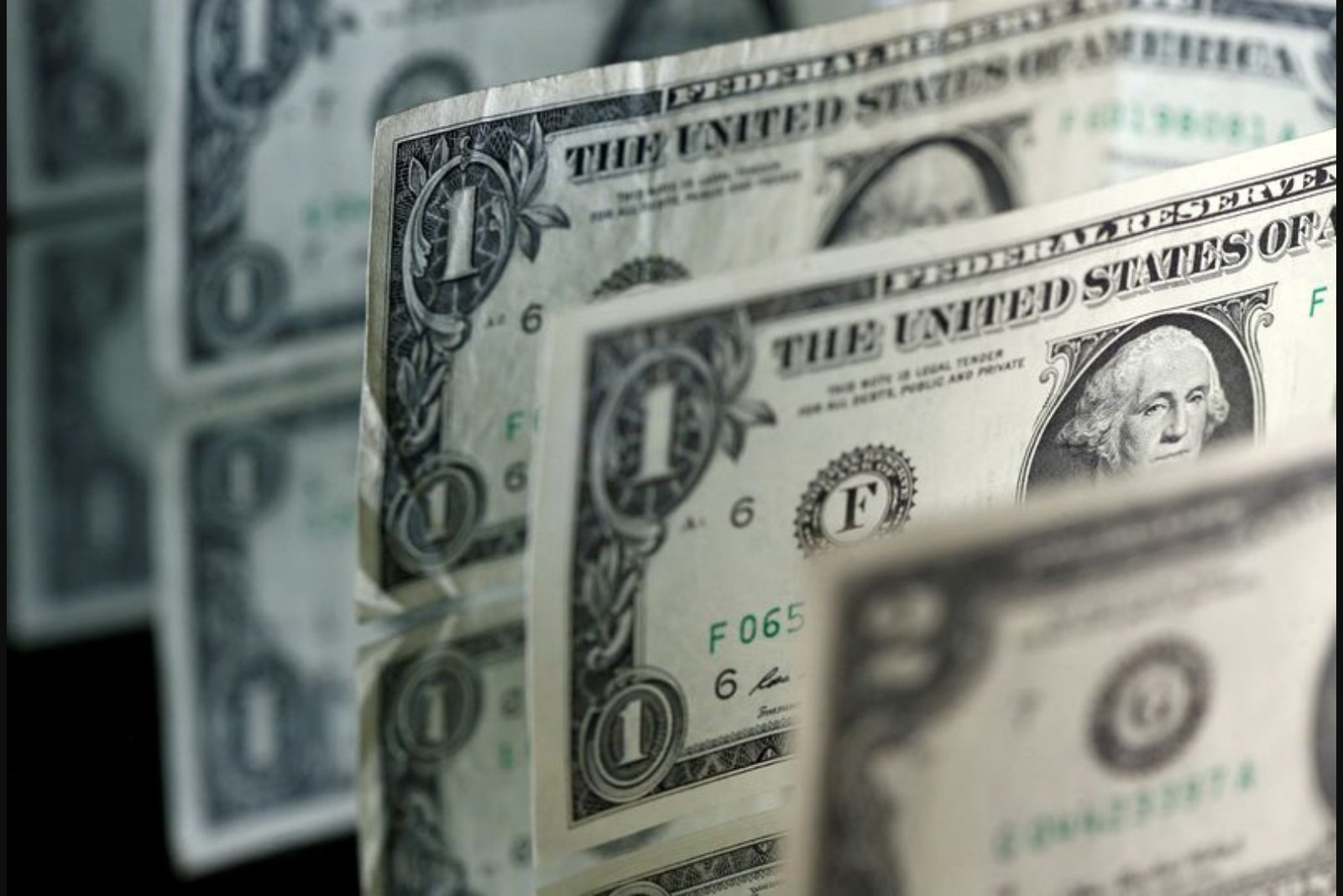
Major currency moves were modest but notable. Sterling fell 0.5% to $1.33925 after jumping nearly 1% the previous day. The euro eased 0.2% to $1.1593 after a 0.4% gain in the prior session. The U.S. dollar index, which tracks the greenback against a basket of currencies, recovered by nearly 0.2% to 99.35 after dipping toward a two-week low on Monday.
Analysts stressed the uncertainty underpinning the moves. "The news overnight is giving a breather to volatility at least, but it’s difficult to see that this is going to trigger a risk-on trend," said Rodrigo Catril, a currency strategist at National Australia Bank. He added that markets remained wary of the U.S. administration’s policy record and uncertain whether the announcement signalled genuine negotiations or a temporary retreat from provocative language that had previously stoked volatility.
Antipodean currencies pulled back from recent gains. The Australian dollar slipped 0.2% to $0.6993, retreating from a six-week high reached in prior trading. The New Zealand dollar declined 0.23% to $0.5845.
Oil prices resumed an upward drift after a sharp decline the day before. Brent crude futures climbed back above $100, trading near $100.94 a barrel after plunging more than 10% on Monday. The rebound reflected lingering supply worries tied to disruptions around the Strait of Hormuz, which continue to underpin higher oil price sensitivity to geopolitical developments.
"The key question is whether participants see this as a genuine extension that brings a deal closer, or simply a delay that prolongs uncertainty," said Chris Weston, head of research at Pepperstone. He noted that the U.S. dollar had experienced selling pressure as crude prices eased and investors repositioned into risk assets, but he cautioned that the move lacked strong conviction and that market conditions remained susceptible to abrupt reversals. "The U.S. dollar has seen selling on the back of the move lower in crude and the broader repositioning in risk. However, there is little conviction in the move, and conditions remain ripe for sharp reversals."
Japan’s domestic inflation readings added another dimension to the FX backdrop. The yen was steady at 158.61 per dollar after Japan reported core consumer inflation of 1.6% in February. That figure sits below the Bank of Japan’s 2% target for the first time in nearly four years, complicating the central bank’s case for further interest rate hikes.
Overall, the session underscored how quickly market sentiment can shift in the face of mixed political messaging and persistent supply concerns. Traders and strategists appeared to be treating the latest statements as a temporary reprieve rather than a definitive change in trajectory, leaving room for volatility to return should fresh developments emerge.
Key points
- President Trump delayed a strike on Iran’s power grid and said talks with Iran were "very good and productive," a claim Iran denied - driving a volatile market response.
- The dollar weakened against major currencies amid risk repositioning, while oil edged higher after a steep prior-day drop; Brent traded around $100.94 a barrel.
- Markets remain cautious given the conflict’s impact on shipments through the Strait of Hormuz, which affects about one-fifth of global oil and LNG flows.
Risks and uncertainties
- Contradictory official statements between the U.S. and Iran create uncertainty over whether the pause represents genuine negotiations or a temporary de-escalation - affecting energy and currency markets.
- Disruptions in the Strait of Hormuz continue to pose supply risks to global oil and LNG shipments, supporting volatility in energy markets and related currencies.
- Low conviction behind recent FX moves means markets are vulnerable to sharp reversals, introducing further short-term risk for investors in currencies, commodities and risk assets.