
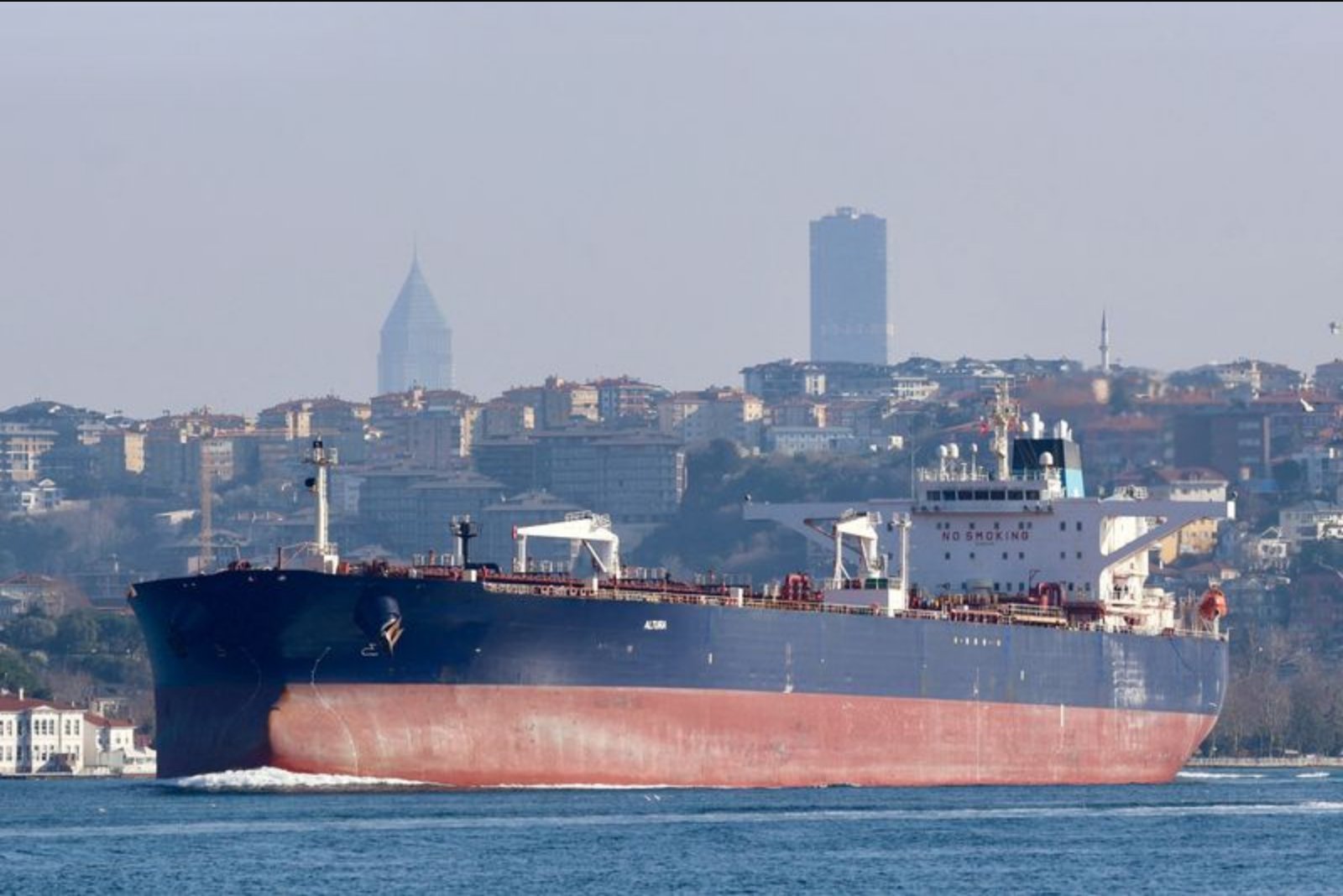
Global markets entered a cautious mood as hopes for an accord to reopen the Strait of Hormuz contend with rising concern that negotiations may break down and trigger further escalation. Traders largely remained on the sidelines ahead of a firm deadline set by U.S. President Donald Trump - Tuesday at 8 p.m. Eastern Time (0000 GMT on Wednesday) - for a possible deal with Iran.
Both sides have exchanged sharp rhetoric and military actions. Iran dismissed a ceasefire proposal, signaling instead that it is seeking a durable end to the conflict that has forced the closure of the Strait of Hormuz, a vital channel for global energy flows. That shutdown has already inflicted damage on markets and economies.
At the same time, the U.S. has intensified its pressure. President Trump warned Iran could be "taken out" if it failed to meet his deadline, threatening the destruction of Iranian power plants and bridges while rejecting concerns that such actions would amount to a war crime. Those remarks added to investor unease and helped keep many participants on the sidelines.
Equities and currencies showed limited movement on Tuesday. U.S. stock futures fell 0.44% while European futures suggested a muted open, with the region returning from holidays on Friday and Monday. Despite a strong earnings report from chipmaker Samsung Electronics, markets remained listless and failed to establish a clear direction.
Commodities continued to reflect the geopolitical strain. Brent crude was trading at $111.43 per barrel, representing an increase of about $39, or roughly 53%, since the outbreak of the conflict. The sustained rise in oil prices underscores the disruption to energy supply caused by the closure of the Strait.
Currency markets also showed stress. The Japanese yen hovered close to the 160 per dollar level - a threshold that some traders fear could prompt Tokyo to intervene in order to support its weakening currency. Yet persistent demand for U.S. dollars has raised doubts about whether any intervention would be effective.
Investors will also be watching economic data that could shed light on how the six-week-long conflict is affecting growth and pricing across Europe. Manufacturing PMI readings for March for France, Germany, the euro zone and the UK are due later in the day, offering a potential glimpse of whether energy-driven price pressures are beginning to materialize in activity data.
What to watch next
- The U.S. deadline set for Tuesday 8 p.m. Eastern Time (0000 GMT Wednesday) for a possible deal with Iran and related statements or actions from either side.
- Manufacturing PMI releases for March for France, Germany, the euro zone and the UK, which may indicate the conflict's impact on European production and inflation risks.
- Movements in Brent crude and the yen, which are responding to the continued closure of the Strait of Hormuz and to persistent demand for U.S. dollars.
For now, the balance between a breakthrough agreement and the risk of renewed escalation is keeping many market participants in wait-and-see mode, with the near-term path of sentiment likely to hinge on the outcome of the upcoming deadline and the incoming PMI data.