
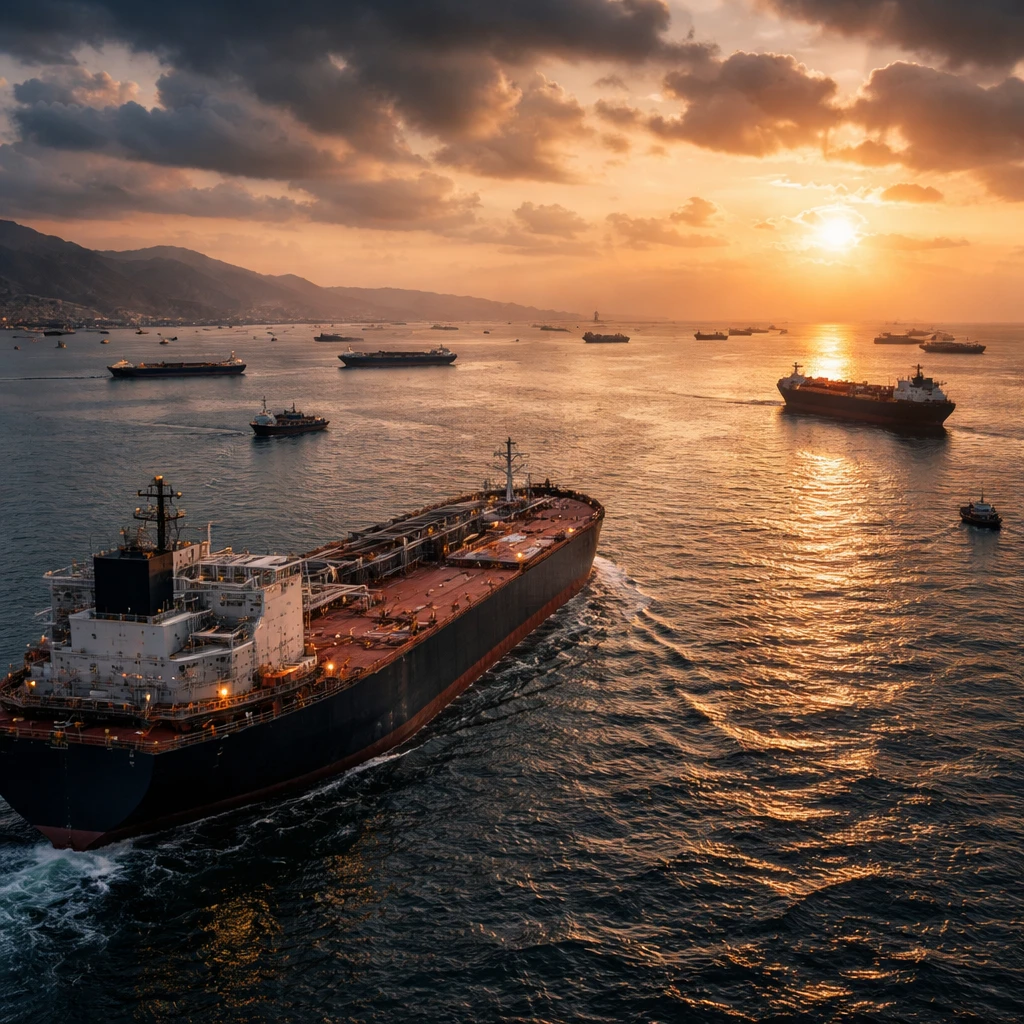
A working paper released Tuesday by the Federal Reserve Bank of Dallas evaluated how varying durations and severities of a closure of the Strait of Hormuz could affect U.S. inflation and oil prices. The paper models a range of outcomes tied to the strategic waterway, which carries about 20% of global oil trade and has been effectively closed for five weeks.
In the analysis, a relatively limited disruption - described as a one-quarter closure - would produce a large, immediate spike in inflation: a 5.2 percentage point increase in the March reading on an annualized basis. That effect, the researchers find, attenuates quickly, leaving a smaller but still positive impact on fourth-quarter inflation of roughly 0.35 percentage points.
Under a more severe scenario - a three-quarter closure - the paper projects a much larger transmission to oil markets and consumer prices. In that case, oil prices would rise from the current $115 per barrel to $167 per barrel, and fourth-quarter inflation could be higher by as much as 1.8 percentage points relative to the baseline.
The study notes the baseline level of year-over-year inflation measured by the personal consumption expenditures price index was 2.8% in January, above the Federal Reserve's 2% target. Core inflation, which excludes food and energy, was 3.1% in January. The Dallas Fed's scenarios imply core inflation would also move higher: by about 0.18 percentage points under the one-quarter closure and by around 0.49 percentage points in the three-quarter closure scenario.
Regarding inflation expectations, the researchers report limited long-run shifts. One-year ahead expectations could increase by up to 0.8 percentage points in the most disruptive scenario, while five- to 10-year expectations would rise by at most 0.09 percentage points. As the authors put it, "There is little evidence of higher gasoline prices being passed through to core inflation or long-run inflation expectations becoming unanchored."
The paper's findings are presented against a backdrop of heightened geopolitical tension. The researchers note that the Middle East conflict appeared close to escalation after President Donald Trump called on Iran to open the Strait of Hormuz or face destruction of its power plants and bridges.
The Dallas Fed analysis highlights how both short-lived and more prolonged interruptions to oil flows through the Strait of Hormuz could feed into headline and core price measures, with the scale and persistence of the disruption determining the size of the impact.
Methodological note - The research assesses scenario-based impacts on inflation and expectations using the data points and relationships specified in the working paper.