
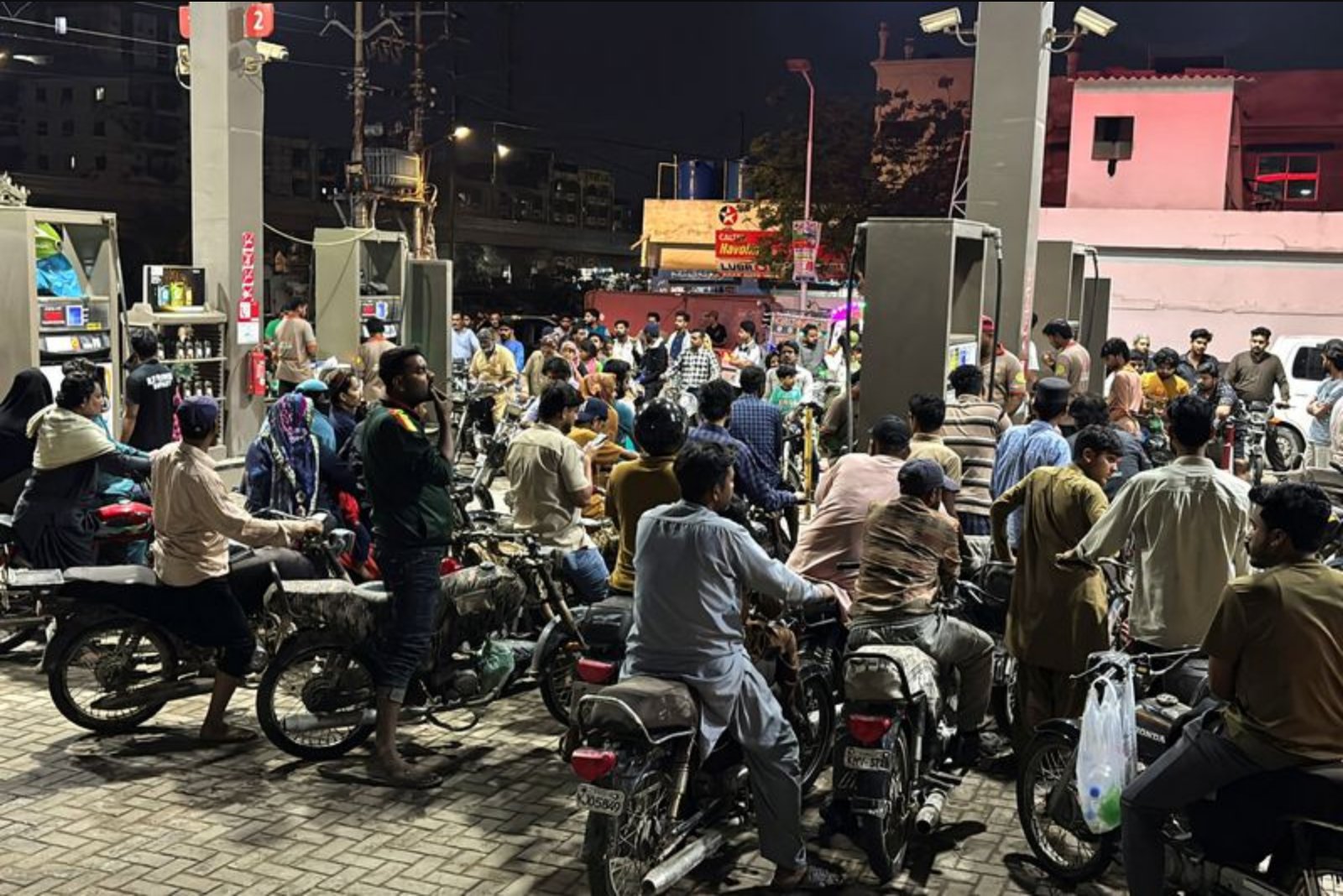
Sri Lanka’s tentative recovery has been undercut by a fresh, external shock. Sanoj Weeratunge, who runs a tour company in Colombo, had been expecting this year to mark a return to pre-pandemic business levels. Instead, the outbreak of the Iran war some 2,700 miles away coincided with a government decision to raise fuel prices by 35% and left his firm’s revenues down almost a third.
"We have had a very difficult road over the past six years to recover and were very hopeful that this would finally be the year where we reach pre-COVID levels," Weeratunge said. "But now this economic shock will affect us."
Sri Lanka is part of a group of lower-income, crisis-scarred nations that analysts warn are vulnerable to the knock-on effects of higher energy costs. For some of these economies, the combination of rising import bills and weaker external receipts risks reversing fragile improvements.
Colombo has already responded by reintroducing fuel subsidies and negotiating a temporary easing of the terms of its International Monetary Fund bailout to create short-term fiscal breathing space. Similar pleas for flexibility are expected to feature in Washington during the IMF and World Bank spring meetings.
The IMF’s managing director, Kristalina Georgieva, said that the institution is prepared to listen to requests for support and estimated that emergency assistance related to the crisis could run between $20 billion to $50 billion. That potential demand underlines the breadth of the shock, which advisers say is hitting vulnerable countries from multiple directions.
Former Pakistan central bank governor Reza Baqir, who now advises governments in debt distress, highlighted how a roughly 40% rise in oil prices has compounded strains. Higher oil costs push up import bills while remittances from expatriate workers in the Gulf may fall, squeezing incomes and foreign exchange receipts at the same time.
As current account deficits widen and currencies face downward pressure - Egypt’s pound, for example, has fallen by over 10% since the war began - the cost in dollars of oil, food, fertiliser and debt service rises. Countries must then draw on foreign exchange reserves, seek additional borrowing or cut other imports to cover the gap.
Baqir said what is needed is "a credible statement from institutions like the IMF and others that they are ready to backstop these countries. And I think the sooner, the better."
Pakistan is a case in point. Its gross foreign exchange reserves stood at $16.4 billion at the end of March. That level is insufficient to cover three months of basic imports, and JPMorgan has argued that the balance is effectively negative once the central bank’s foreign currency liabilities are included.
Islamabad has already raised petrol prices twice recently. Schools were closed for half of March and government departments moved to a four-day week, along with temporary bans on purchasing new furniture or air conditioners to trim spending. An additional worry for Pakistan is a $3.5 billion loan repayment to the United Arab Emirates; if it cannot be rolled over, the country’s finances would face heightened strain given its $7 billion IMF programme, former fund official Jeff Franks warned.
"I’m sure for Pakistan and Egypt, if they get to meet with the managing director or other top IMF officials next week, they will be stressing just how bad this shock is for stability," Franks said.
On the ground, households and small businesses are feeling the pinch. In Karachi a food delivery driver, Maviq Hussain, described daily life as harder to manage. "Everything has become expensive," he said. "It’s difficult to manage daily expenses." In Sri Lanka, 37-year-old Kelum Dissanayaka, a father of three who works early mornings as a ride-hailing and delivery driver, said spiralling costs and fuel rationing forced him to skip his tuk-tuk leasing payment two months running. "It’s very difficult to live," he said.
Tourism-dependent economies are also exposed. Egypt’s travel sector generated about $19 billion last year, and the Suez Canal remains a potential channel for disruption. At the same time, Egypt faced a heavy debt-servicing profile even before the latest shock, with nearly $30 billion of payments falling due and debt set to absorb an estimated 60% of revenues this year. Those near-term payments exceed more than half of Egypt’s foreign-exchange reserves.
Moody’s noted that roughly $8 billion of foreign investor money has already left Egypt since the war began. The IMF has welcomed Cairo’s decision to let the currency act as a shock absorber, but the doubling of Egypt’s energy import bill means the country may be among the clearest candidates seeking additional support in Washington.
Franks argued that rigid conditionality by lenders would be counterproductive. "It is in no one’s interest to be rigid in the conditionality and allow these countries to fail," he said.
Policy responses in affected countries have so far ranged from fiscal tightening to temporary relief measures, while officials press for international backstops. The IMF’s potential emergency funding estimate - between $20 billion to $50 billion - reflects the institutions' expectation that multiple countries will need swift assistance if the current energy shock persists.
For business owners and workers in these economies, hopes for recovery hinge on whether that international support arrives in time to prevent deeper financial distress. Until then, rising fuel costs, currency pressures and shrinking foreign exchange buffers will continue to constrain activity and living standards in some of the most crisis-scarred countries.