
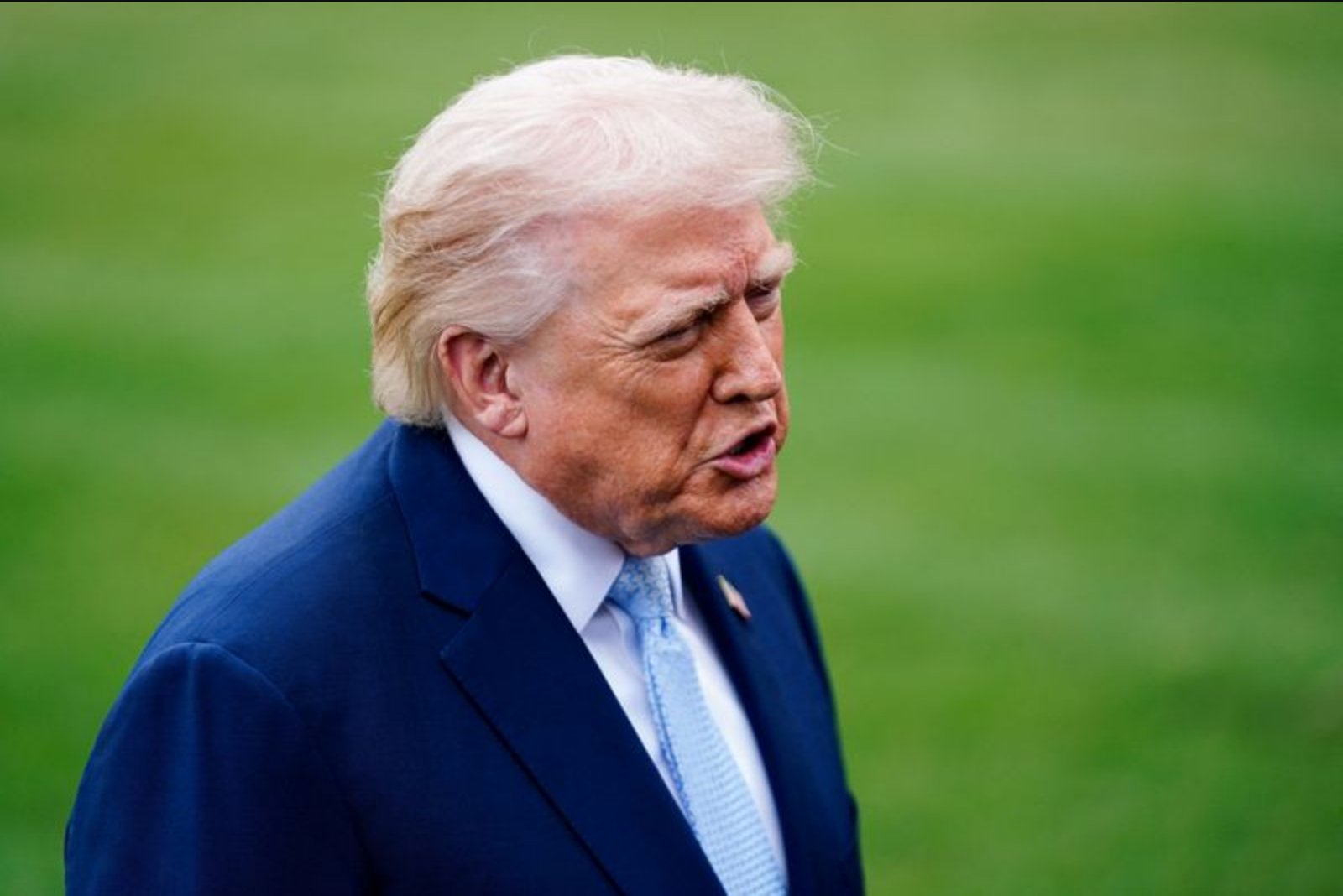
Global markets began the week on edge as a rapid escalation in the Middle East added a new layer of uncertainty to already tight energy markets. Late on Saturday, President Trump issued a 48-hour ultimatum demanding Iran open the Strait of Hormuz, warning on social media that the U.S. would "obliterate" Iran's power plants if the deadline was not met. He set a Monday cut-off at around 7:45 p.m. EDT (2345 GMT), a timetable that will affect trading in Asia on Tuesday morning.
According to the announcement, the first attacks would target the largest power plant - noted in official messaging as a nuclear facility - an action that the article describes as usually prohibited under international law and one that could cause a major environmental catastrophe. Iran's response was stark: a vow to close the Strait of Hormuz "completely" and to strike energy and water infrastructure in neighbouring countries. The potential for hits on desalination plants was highlighted as particularly dangerous.
Energy markets reacted in volatile fashion. Brent crude initially swung both ways before settling up about 0.5% in choppy trade. The U.S. has permitted the sale of additional Iranian and Russian oil already on tankers, which has helped satisfy immediate demand, but concerns about longer-term disruptions have pushed futures higher down the curve. September Brent is cited as being up $1 at $92.90, a level suggesting sustained pressure on oil prices.
The liquefied natural gas market is showing similar strains. Reports indicate seven tankers at sea carrying cargoes, but once those deliveries are completed there will reportedly be no fresh supply coming from Qatar. This tightening comes on top of already existing global shortages of jet fuel, bunker fuel for shipping and fertiliser, which carry the potential to raise travel, retail and food costs.
International Energy Agency chief Fatih Birol, currently in Australia, is quoted as calling the crisis "very severe" and saying it is worse than the two oil shocks of the 1970s combined. That severity is filtering through into financial markets: the inflationary impulse is pressuring sovereign debt markets, with 10-year U.S. Treasury yields touching eight-month highs of 4.4150%. Higher bond yields increase borrowing costs for developed economies already coping with budget deficits and debt burdens, and they are also compressing equity valuations.
At the same time, rising petrol and diesel prices are likely to act as an economic brake, curbing consumer spending and squeezing corporate profits. Investors have markedly repriced the path for central banks, removing expectations of a Federal Reserve rate cut this year while anticipating aggressive tightening elsewhere. The European Central Bank is seen hiking 75 basis points and the Bank of England 85 basis points in coming adjustments.
Equities have responded negatively to the combination of geopolitical risk and a tougher monetary outlook. The Nikkei has dropped by more than 3% while South Korean markets have fallen almost 6%. In futures trading, European stock futures are down between 1.1% and 1.3%, and S&P 500 futures are roughly 0.4% lower.
Market participants will be watching a handful of scheduled events that could influence sentiment on Monday, including appearances by ECB board member Piero Cipollone and ECB chief economist Philip Lane, the release of EU March consumer confidence figures, and U.S. January construction spending data.
Note: This report compiles immediate market reactions and official statements as described above and does not add or infer further developments beyond those provided.