
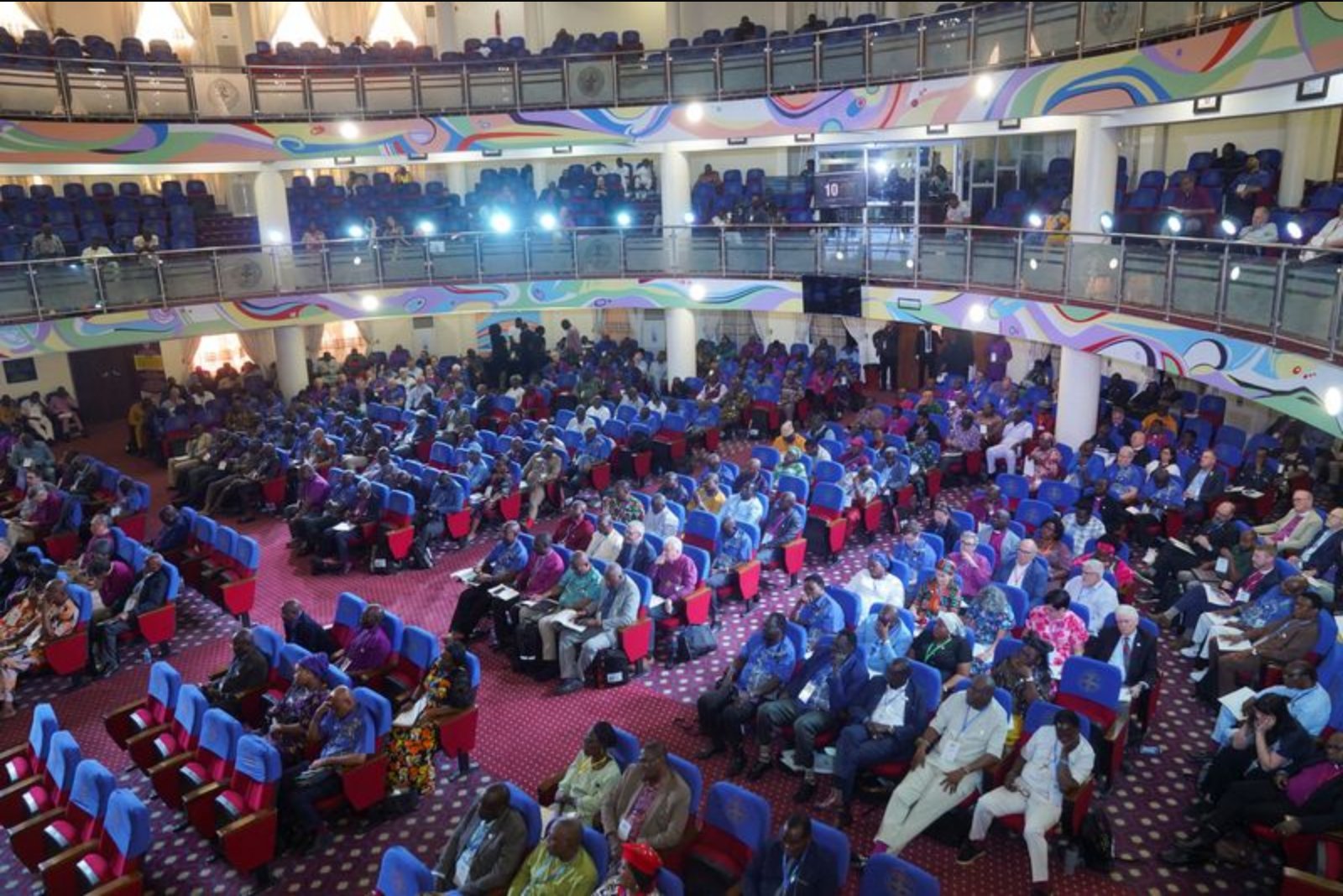
On March 6, conservative leaders within global Anglicanism issued a formal call for separation from structures linked to the Church of England, urging members to cease participation in certain institutional gatherings and to withhold financial support from the current leadership.
The directive came from the Global Anglican Future Conference (GAFCON), a coalition of conservative churches largely based in Africa and Asia that says it represents a majority of Anglicans worldwide. The statement accompanied the establishment of a new council intended to rival the existing leadership of the Anglican Communion.
GAFCON delegates spent three days meeting in Nigeria, where debates over theological and social issues were brought into sharp relief. Organizers and participants emphasized long-standing disagreements inside Anglicanism - specifically differences over the ordination of women and the inclusion of LGBTQ+ members - as central to the dispute.
These developments come just weeks before Sarah Mullally is due to be enthroned as the first female Archbishop of Canterbury, the spiritual head of an estimated 85 million Anglicans across 165 countries.
Laurent Mbanda, who was installed on Thursday as chairman of the newly formed rival council, read the collective declaration on behalf of GAFCON. The statement called for what it described as "a principled disengagement" from bodies associated with the Church of England.
"Leaders who hold office in the Global Anglican Communion must not attend future Primates' meetings called by the Archbishop of Canterbury, nor attend the Lambeth Conference, nor attend ACC meetings or participate in Commissions of the ACC," the declaration said.
The statement went on to advise that church leaders "should not personally approve financial contributions to the ACC. It is also expected that they will not receive financial assistance from compromised sources." The declaration did not quantify how much funding might be affected, and it was not immediately clear how large the financial implications would be. The Church of England did not immediately respond to requests for comment.
The split underscores long-term tensions within a Communion that originated about 500 years ago when the Church of England broke from Rome. The Anglican network has since expanded globally, particularly in former British colonies, and the past decades have seen some parts of the church move in more liberal directions on matters of doctrine and social policy.
GAFCON itself was founded in 2008, rooted in resistance to those liberal shifts and drawing most of its strength from regions where the church continues to grow rapidly, notably in Africa and Asia. Organizers of the Nigeria meetings framed the new council as a response to perceived departures from traditional teaching.
Meanwhile, a spokesperson for the Anglican Communion Office in London said on Thursday that GAFCON was disregarding years of dialogue intended to pursue reform within the Communion.
Diarmaid MacCulloch, emeritus professor of church history at the University of Oxford, described the situation bluntly when asked about the state of the Communion. "Of course it's a schism," he said, while also noting that such ruptures need not be permanent. "Schisms do eventually get healed, when both sides see that the issues that caused the schism don't seem that important any longer," he added.
As GAFCON moves to formalize a competing governance structure and to advise its members to disengage from the Archbishop of Canterbury's convenings and the Anglican Consultative Council, the global church faces immediate institutional and financial questions. How those questions are resolved will affect the formal ties among provinces and the operational relationships that underpin the Communion's global activities.