
BEIJING, Feb 5 - China on Thursday described the expiration of the U.S.-Russia New START treaty as regrettable and called for renewed dialogue between Washington and Moscow on matters of strategic stability.
The New START agreement expired at the close of Wednesday, a development Beijing said marks the end of more than half a century of limits on the strategic nuclear arsenals of the two Cold War rivals. Moscow has said it is open to security discussions while also warning it would firmly counter any new "threats".
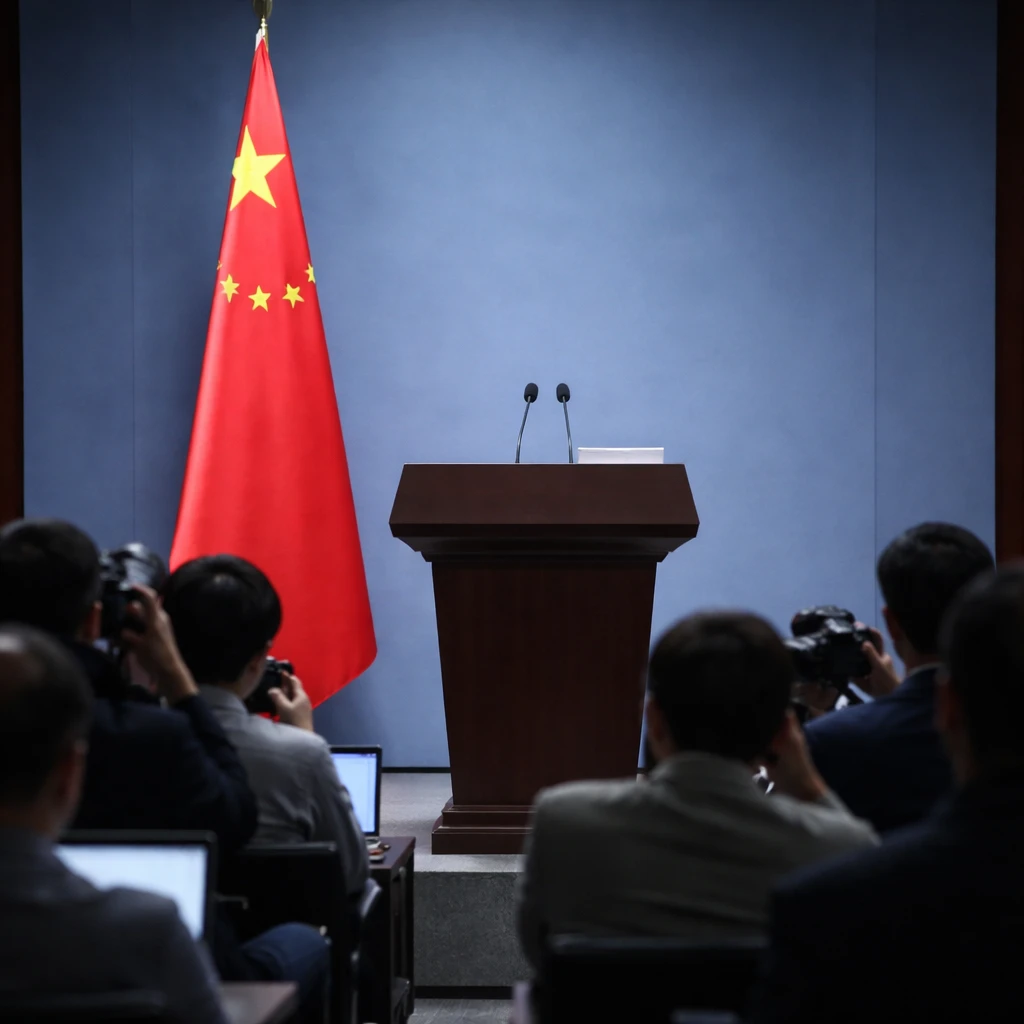
Speaking for the foreign ministry, spokesperson Lin Jian emphasized the treaty's importance to global strategic stability and flagged international concern about the possible negative effects of its expiration on the nuclear arms control architecture and the global nuclear order.
"China regrets the expiration of the New START Treaty, as the treaty is of great significance to maintaining global strategic stability," Lin said. "The international community is generally concerned that the expiration of the treaty will have a negative impact on the international nuclear arms control system and the global nuclear order."
China noted that Russia had proposed both sides continue to observe the treaty's core limits, and Beijing urged the United States to respond constructively to those proposals.
"China calls on the United States to respond positively, handle the treaty's follow-up arrangements responsibly, and resume strategic stability dialogue with Russia as soon as possible. This is also the general expectation of the international community," Lin said.
In reiterating its own nuclear policy, the foreign ministry reiterated that China follows a self-defence nuclear strategy and adheres to a no-first-use policy. Lin stressed Beijing's unconditional commitments not to use or threaten to use nuclear weapons against non-nuclear-weapon states or nuclear-weapon-free zones, and said China maintains its arsenal at the minimum level required for national security.
"China has consistently adhered to a self-defense nuclear strategy, abided by the policy of no first use of nuclear weapons and has made unconditional commitments not to use or threaten to use nuclear weapons against non-nuclear-weapon states or nuclear-weapon-free zones," Lin said, adding that China keeps its arsenal at the minimum level needed for national security.
The ministry reiterated that China’s nuclear forces are considerably smaller than those of the United States and Russia and confirmed that Beijing will not participate in the bilateral disarmament negotiations between Washington and Moscow at this time.
"China's nuclear forces are not on the same level as those of the United States and Russia, and China will not participate in disarmament negotiations at this stage," Lin said.
Separately, the White House has said that President Donald Trump will decide the next steps on nuclear arms control and will "clarify on his own timeline."
This account reflects official comments released by the Chinese foreign ministry and public statements from Russia and the White House regarding the status of the New START treaty and the positions of the parties involved.