
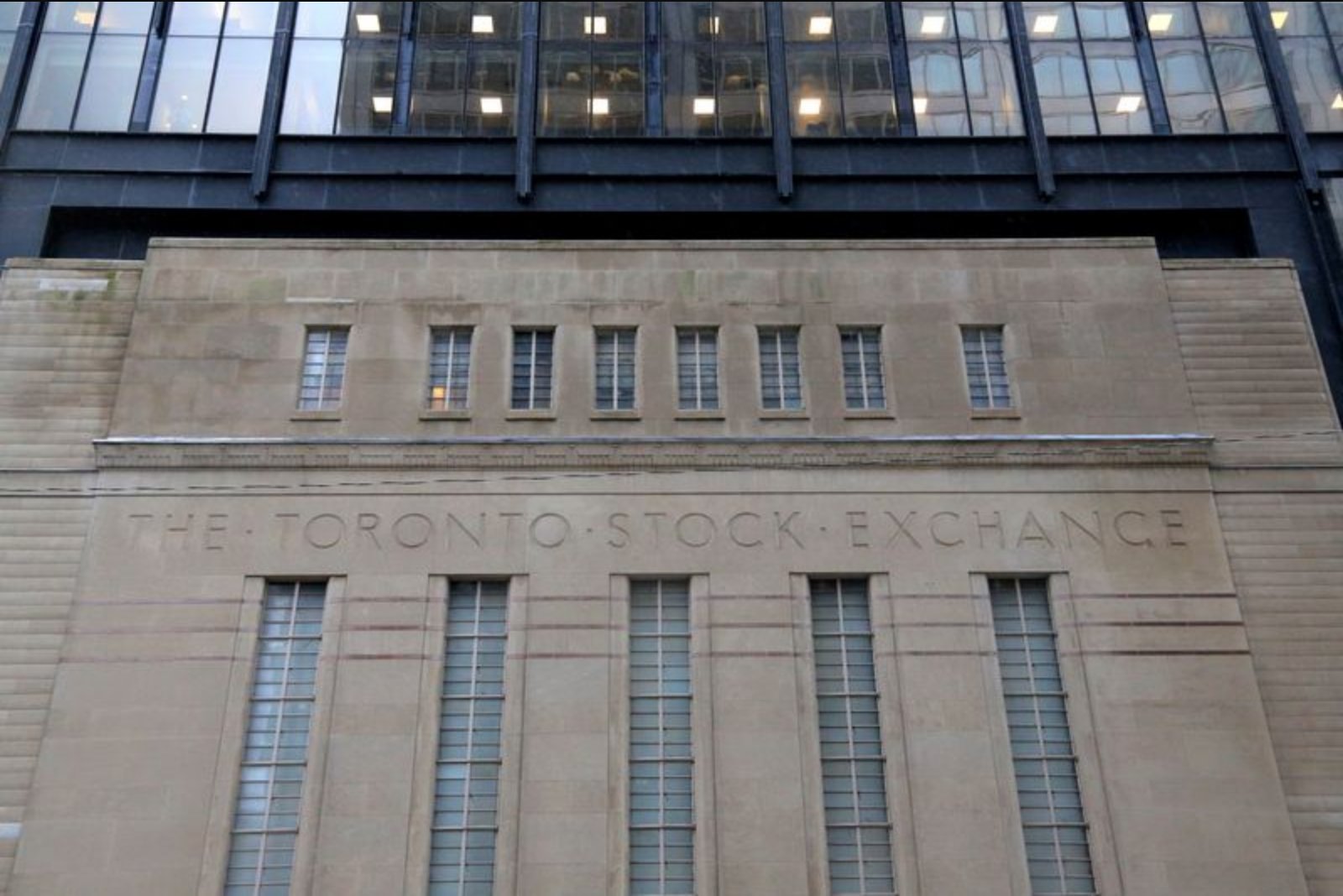
Canada's market for initial public offerings appears poised to rebound in 2026, according to bankers and market participants tracking equity issuance. For about four years, many Canadian companies avoided listing publicly, a retreat driven primarily by high interest rates and elevated inflation that reduced market valuations and pushed firms to delay public listings or seek private equity alternatives.
Bankers say that dynamic is changing. Firms in technology, natural resources and other sectors are now showing interest in public-market listings, and dealers report a materially larger pipeline of candidates than in recent years.
Context for the pullback
The number of IPOs fell worldwide last year as many markets faced the same pressures that limited Canadian issuance - uncertainty around U.S. tariffs, market volatility and high costs associated with listing. Canada’s IPO market was particularly affected, in part because of regulatory hurdles and a limited number of companies actively pursuing new listings.
Market participants describe new public offerings and equity-market depth as barometers for the health of the Canadian economy. They also see listings as an indicator of corporate willingness to place trust in policy initiatives meant to boost competitiveness and expand trade relationships.
"When you have got more foreign investment coming into the country, our doors are open to everyone in the world, you’re definitely going to have a more attractive IPO market," said Michael Dehal, senior portfolio manager at Dehal Investment Partners at Raymond James. "Companies will have more capital, more financial backing from international investors."
Signs of a turnaround
Last year's largest IPO in Canada, Rockpoint Gas Storage, raised C$704 million in October and has helped to revive market sentiment toward new listings. David Rawlings, Canada CEO of JP Morgan, which underwrote the Rockpoint deal, said that successful transactions can create constructive precedents for future offerings. He added that Rockpoint is currently trading 25% above its IPO price, a performance he called encouraging as investors assess forthcoming listings.
Despite the long stretch of weak issuance, domestic equity markets posted strong returns in 2025. The S&P/TSX Composite Index rose about 29% while the S&P 500 gained roughly 16%. Analysts attributed the outperformance to higher valuations among the large banks, which account for about a third of the Canadian index, along with gains in mining stocks. That appetite for equities suggests investor capital is available even as many companies have been reluctant to pursue new listings.
Supply constraints and an expanding pipeline
The Toronto Stock Exchange recorded a net decline in listed companies for each of the past three years, with delistings outpacing IPOs in 2023, 2024 and 2025. In 2025 there were only two IPOs and 55 delistings, with much of the departure driven by take-private transactions as well as mergers and acquisitions tied to consolidation in the financial and energy industries.
Bank of Montreal's head of equity capital markets, Peter Miller, said Canadian firms now exploring IPOs come from consumer products, resources, fintech and technology sectors. "It was a lack of supply, not a lack of demand for IPOs in Canada," Miller said. "That has changed dramatically over the last six months." He characterized the current IPO pipeline as "the strongest I’ve seen since 2021," and indicated his team is in discussions with companies aiming to go to market early in the year.
Royal Bank of Canada’s head of Canadian equity markets, Jackie Nixon, echoed the view that a number of private companies are preparing for public offerings. "There is definitely a growing pipeline of private companies that we spend time with who want to go public at some point in time," Nixon said. "We are working on a handful that we expect will go public in 2026." TMX Group, the operator of the Toronto Stock Exchange, also expects a substantial uptick in listings, according to market sources.
Bankers report encouragement that many companies currently testing the waters are seeking to raise significant sums, a signal that potential issuers would use public capital for scale or strategic investment rather than only modest funding needs.
Post-listing performance and cautions
Even with growing interest in listings, market observers caution that trading performance after IPOs remains critical. Some recent new listings have struggled to hold value in the secondary market. GO Residential Real Estate Investment Trust, for example, has declined roughly 25% since its IPO in July 2025. "What really matters is if operating company IPOs can actually trade well post-issue," said Michael Ashley Schulman, partner at Running Point Capital Advisors.
While the increase in potential deals and the presence of large, well-received offerings provide reasons for optimism, the gap between investor demand for equities and issuer readiness to list will remain a central factor in how rapidly the market's revival unfolds.
Outlook
Market participants believe that a higher inflow of foreign capital, clearer regulatory pathways and more companies prepared to pursue sizable raises would help to sustain the recovery in Canadian IPO activity. For now, bankers and exchange operators are watching whether the improved sentiment translates into a steady cadence of successful listings that can reverse the recent trend of net decline in the number of publicly traded Canadian companies.