
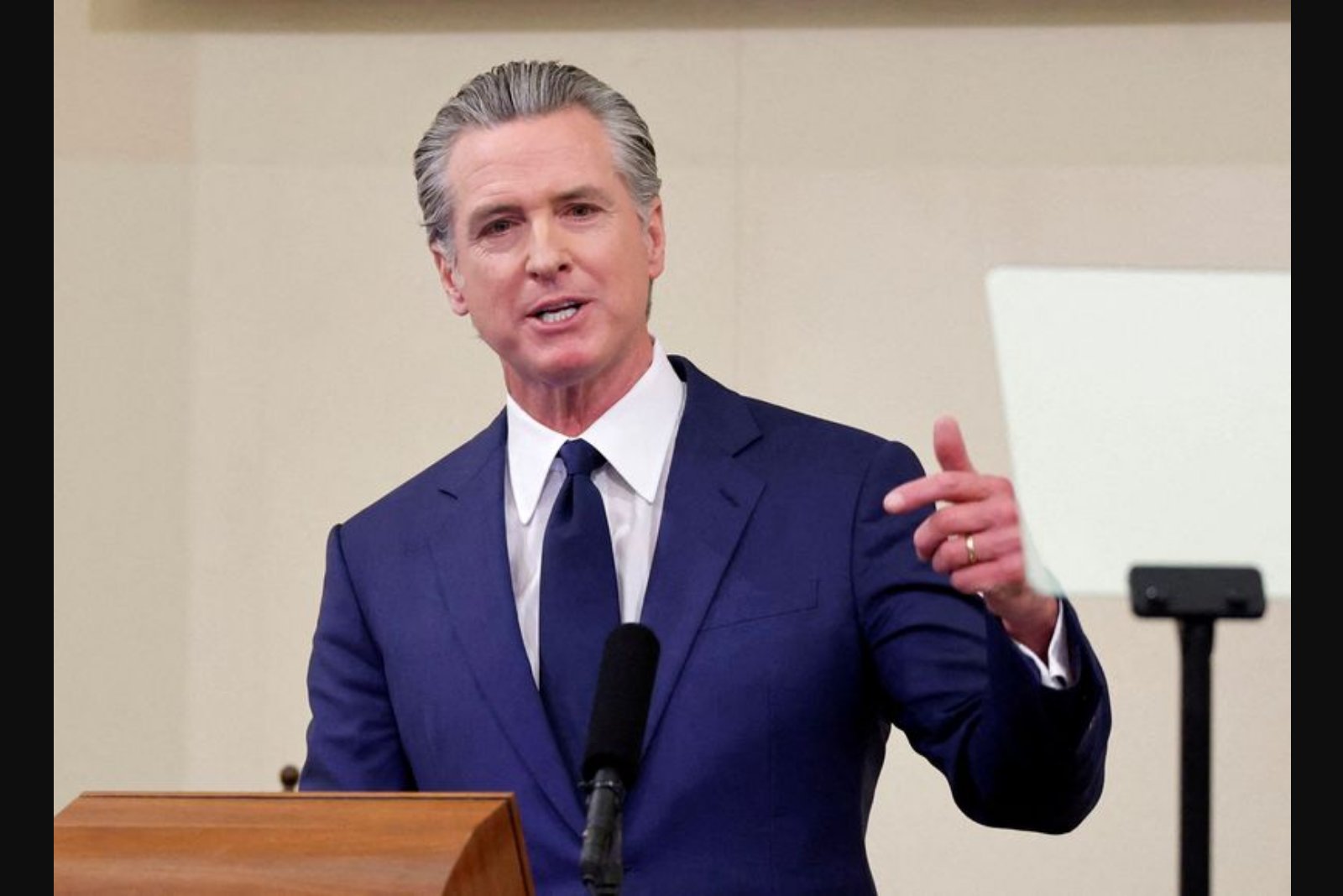
March 30 - Governor Gavin Newsom signed an executive order requiring firms that want to contract with California to put in place safeguards aimed at preventing misuse of artificial intelligence. The measure targets a range of potential harms tied to AI, explicitly citing the creation of illegal content, the embedding of harmful bias and the risk of civil rights violations.
The order also includes a requirement that agencies ensure images or videos that may have been created with AI are watermarked, following guidance issued by the state. That provision is intended to reduce the spread of misinformation by clearly identifying media that may have been generated or altered by AI systems.
On the question of federal supply-chain risk designations, the order directs California to perform its own evaluations. If the federal government designates a company as a supply-chain risk, the state will undertake an independent assessment and may still permit the company to remain a contractor if the state’s review does not substantiate the federal finding.
The directive comes after the Pentagon applied a formal supply-chain risk designation to artificial intelligence lab Anthropic, a move that prevents government contractors from using the firm’s technology in work for the U.S. military. The California order underscores that the state will not automatically adopt federal determinations without its own review.
Implementation steps are specified in the order. Within 120 days, California’s Department of General Services and Department of Technology must deliver recommendations for new AI-related vendor certifications. Those proposed certifications would create a mechanism for vendors to attest that they follow responsible AI governance practices and maintain public-safety protections.
The action also reflects the state’s intent to chart an independent path on AI oversight. The order notes this stance even as some Republican lawmakers have pushed for state deference to federal authorities on legal and regulatory matters related to AI.
In related activity earlier this year, California Attorney General Rob Bonta told reporters in February that his office is building internal expertise through an "AI oversight, accountability and regulation program." That development is referenced in the order as part of the broader state effort to develop in-house capabilities for AI governance.
Context and next steps
The executive order establishes both immediate compliance expectations for prospective state contractors and a short timeline for the state to propose formal certification standards. Agencies are instructed to follow watermarking guidance for possible AI-created media, and two state departments have 120 days to recommend a vendor certification framework that would allow firms to formally attest to responsible AI practices.