
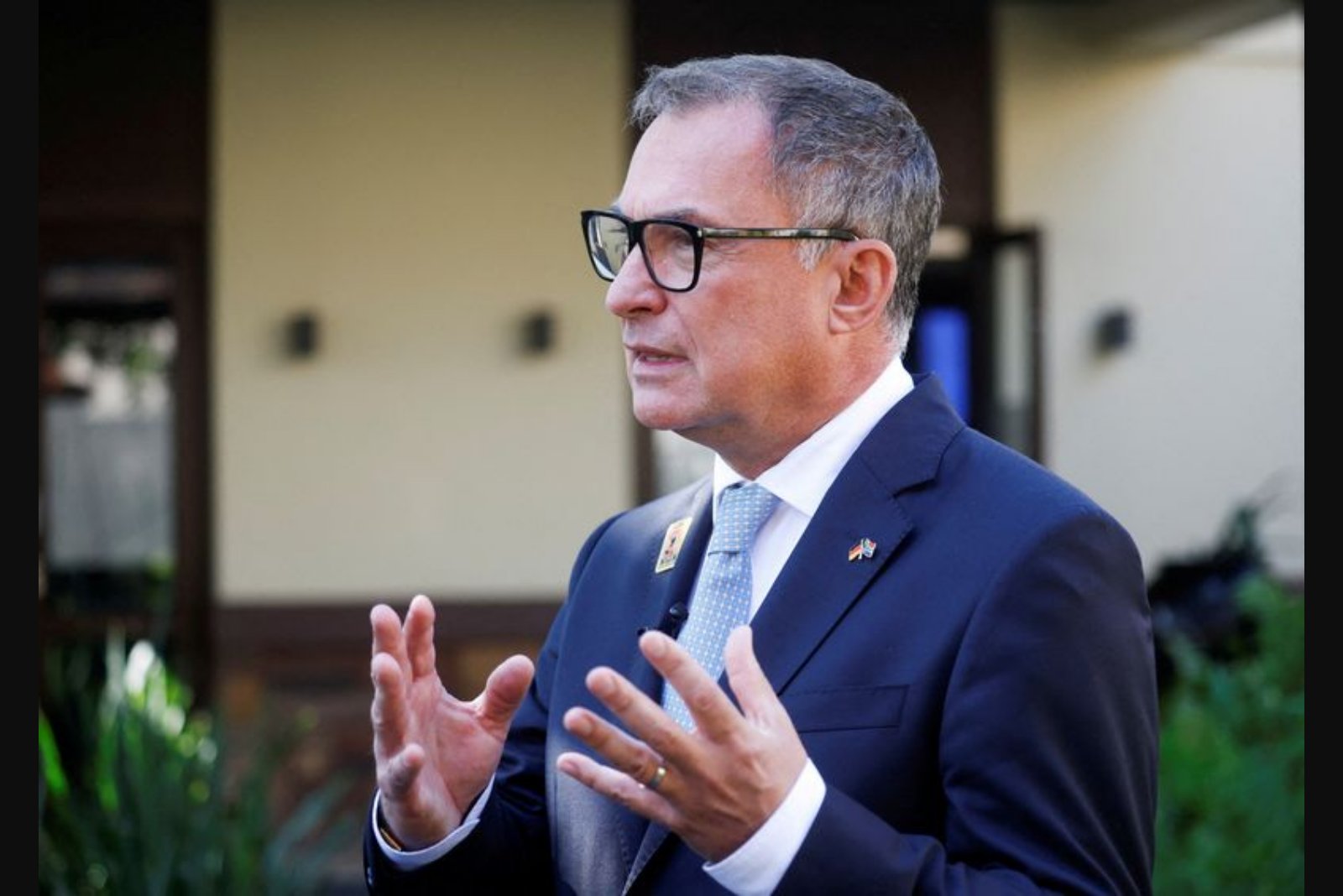
FRANKFURT, March 26 - Joachim Nagel, a member of the European Central Bank's policymaking circle and head of Germany's Bundesbank, told Reuters that the ECB has "an option" to increase interest rates at its next policy meeting should the conflict in the Middle East push inflation materially higher across the euro zone.
Nagel pointed to the recent spike in energy prices after the escalation of hostilities in Iran as a key factor placing rate hikes back on the table. Traders have responded by pricing in a possible rate move at the April meeting or at the following meeting in June, reflecting uncertainty about the timing of any ECB response.
Assessment window ahead of April meeting
Nagel said he and his colleagues expect to have sufficient information about both the course of the war and its economic fallout by the ECB's April 29-30 gathering to make an informed decision on whether to raise rates. "It is certainly an option, but just one option," he said when asked about an April increase. He added: "I think we’ll have enough data by April to determine whether we need to take action or whether we can wait and see. But we shouldn’t shy away from it now just because we think it’s still too early."
ECB President Christine Lagarde has similarly indicated that the central bank for the 21 nations sharing the euro stands ready to act at any meeting to ensure inflation returns to the 2% target.
Scope of inflationary pressure
Officials are focused not only on oil and gas price moves but also on whether inflationary pressure spreads beyond the energy sector. Nagel said policymakers will look for signs of price increases in other areas of the economy and for wage growth that could indicate inflation is taking hold in a more persistent way.
"This is certainly a situation in which every passing day contributes to an increase in inflationary risks, particularly with regard to what interests us most from a monetary policy perspective: how medium-term inflation expectations will evolve," Nagel said.
He also highlighted how supply disruptions linked to the conflict have affected other inputs: the closure of the Strait of Hormuz has curtailed shipments of certain chemicals, including fertilisers, adding to pressures on supply chains and prices.
Market expectations
Market pricing currently implies two to three policy rate increases by the end of the year, which would place the ECB's policy rate at roughly 2.50% to 2.75% if those moves materialise. Nagel and his colleagues will use incoming data on energy markets, broader price developments and wage dynamics to judge whether such steps are necessary.
Key takeaways
- The ECB retains the option to raise rates at its April 29-30 meeting if the Middle East conflict leads to a sustained inflation uptick.
- Policymakers will monitor whether price rises spread beyond energy and whether wages start to climb, which would signal more entrenched inflation.
- Market participants currently expect two to three rate hikes by year-end, potentially taking the policy rate to 2.50% or 2.75%.